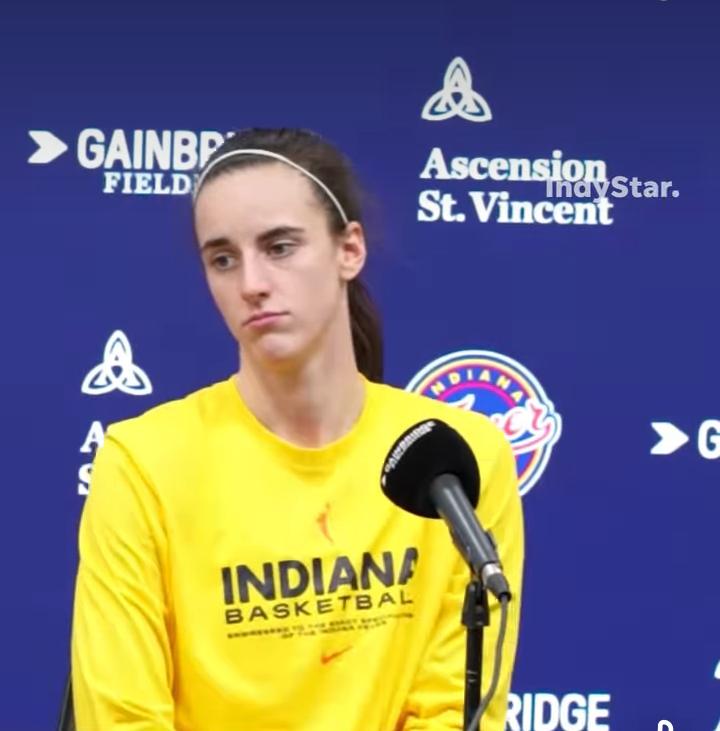
The Indiana Fever continue to establish themselves as one of the WNBA’s most exciting teams, but their progress has repeatedly been overshadowed by ongoing debates surrounding officiating. Following another emotionally charged contest, frustration over inconsistent refereeing once again became a major talking point, with Caitlin Clark and the Fever searching for greater consistency in how games are managed.
As the WNBA grows in popularity and attracts record-breaking audiences, every controversial whistle receives even greater scrutiny. For Indiana, the issue is no longer about a single game or one questionable decision. Instead, it reflects a broader concern about maintaining fairness across the league as competition becomes increasingly intense.
OFFICIATING REMAINS A MAJOR TALKING POINT
Physical basketball has always been part of the WNBA, but players, coaches, and fans expect that level of physicality to be judged consistently from start to finish. The Fever believe too many games feature changing standards, leaving players unsure of what will and will not be called.
Caitlin Clark has found herself at the center of many of these conversations throughout the season. As one of the league’s biggest stars, she frequently draws aggressive defensive attention, with opponents attempting to disrupt her rhythm through constant pressure. While physical defense is expected, Indiana’s frustration stems from the belief that similar plays are often officiated differently depending on the moment.
That uncertainty makes adjustments difficult during games. When players cannot anticipate how tightly a contest will be called, it becomes harder to balance aggressive defense with disciplined basketball.
CAITLIN CLARK’S COMPETITIVE FIRE IS ON FULL DISPLAY
Clark’s emotional reactions during games have become a reflection of her relentless desire to win rather than simple frustration. Every possession matters to the Fever guard, whose competitive mentality has defined her basketball career from college through the professional ranks.
When calls do not go her way, Clark rarely hides her emotions. While critics sometimes focus on those visible reactions, teammates and coaches understand they come from her commitment to competing at the highest level.
Her leadership has continued to evolve throughout the season. Beyond scoring and creating opportunities for teammates, Clark has embraced the responsibility of becoming one of the faces of the WNBA. That visibility naturally brings increased attention to every interaction she has with officials.
WHY CONSISTENCY MATTERS FOR THE FEVER
Indiana’s playoff ambitions depend on execution in close games, where a handful of possessions often determine the outcome. In those situations, consistency from officials becomes even more significant.
The Fever have developed into a fast-paced offensive team built around ball movement, transition opportunities, and Clark’s elite playmaking. If officiating standards fluctuate throughout a game, it can disrupt offensive rhythm and defensive strategies alike.
Coach Stephanie White has consistently emphasized discipline over excuses. While officiating may influence moments within games, Indiana also understands that limiting turnovers, improving defensive communication, and executing late-game possessions remain within its control.
That balanced perspective allows the Fever to acknowledge frustration without allowing it to define their season.
THE WNBA FACES A GROWING CHALLENGE
As television audiences continue to climb and attendance reaches new heights, every controversial officiating decision now spreads rapidly across social media. Slow-motion replays and multiple camera angles invite endless debate, increasing pressure on league officials.
The WNBA has invested heavily in improving the overall product, and officiating consistency is becoming an increasingly important part of that conversation. Fans want physical, competitive basketball, but they also want confidence that games are being called fairly for every team.
Clear communication between the league, officials, coaches, and players can help reduce misunderstandings while maintaining the intensity that makes the WNBA entertaining.
WHAT THIS MEANS FOR INDIANA MOVING FORWARD
The Fever cannot control officiating, but they can control how they respond. Championship-caliber teams adapt to adversity regardless of circumstances, and Indiana continues to mature in that area.
Clark’s ability to channel her competitive energy into efficient offensive production will remain one of the team’s biggest strengths. If she maintains her composure while continuing to create scoring opportunities for herself and her teammates, Indiana will remain a dangerous opponent throughout the remainder of the season.
The Fever also possess enough talent around Clark to overcome difficult stretches. Improved chemistry, stronger defensive execution, and continued player development could ultimately have a greater impact on their success than any individual officiating decision.
FINAL THOUGHTS
The discussion surrounding WNBA officiating is unlikely to disappear anytime soon, especially when marquee players like Caitlin Clark are involved. Indiana’s desire for greater consistency reflects a concern shared by many teams across the league rather than a complaint about isolated calls.
Ultimately, the Fever’s focus must remain on winning basketball games. If they continue to improve collectively while handling adversity with maturity, they will strengthen their position in the playoff race regardless of officiating debates. Even so, achieving greater consistency from officials would benefit not only Indiana but the WNBA as a whole, ensuring the spotlight remains on the remarkable talent displayed on the court rather than the whistles that interrupt it.