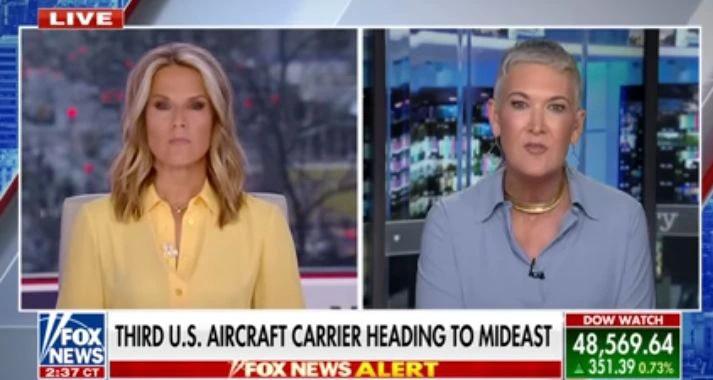
Tensions in the Middle East have escalated sharply following a stark warning from U.S. President Donald Trump, who declared that any Iranian vessels approaching American ships enforcing a naval blockade would be “blown up.” The statement, reported by journalist Jennifer Griffin and echoed across multiple outlets, marks one of the most aggressive rhetorical escalations in the ongoing standoff between Washington and Tehran.
 The warning comes in the wake of a U.S.-led naval blockade targeting Iranian ports and maritime activity, particularly around the strategically vital Strait of Hormuz. The blockade was announced after diplomatic talks between the United States and Iran collapsed without agreement, especially on issues surrounding Iran’s nuclear program. In response, Trump adopted a hardline posture, emphasizing that the U.S. would not tolerate any challenge to its naval presence in the region.
According to reports, Trump explicitly stated that any Iranian “fast attack ships” that come near U.S. vessels involved in the blockade would be “immediately eliminated.” This language reflects a significant escalation in tone, suggesting a readiness to engage militarily at even the slightest perceived threat. The warning also underscores the fragile and volatile nature of the situation, where miscalculation could quickly lead to open conflict.
The blockade itself is part of a broader U.S. strategy aimed at cutting off Iran’s economic lifelines, particularly its oil exports. The Strait of Hormuz, through which a significant portion of the world’s oil supply passes, has become a focal point of the confrontation. By restricting access to Iranian ports, the U.S. hopes to exert maximum pressure on Tehran to return to negotiations under more favorable terms.
Early reports indicate that the blockade has already had a tangible impact. Several vessels reportedly turned back rather than risk confrontation with U.S. forces, highlighting the immediate effectiveness of the operation. However, there have also been indications that some ships linked to Iran have attempted to navigate the region, raising questions about the blockade’s long-term enforceability and the risk of direct encounters at sea.
Iran, for its part, has responded with defiance and warnings of its own. Officials in Tehran have suggested that any interference with its maritime rights could provoke retaliation. The Iranian leadership has also framed the U.S. blockade as an act of aggression, further fueling nationalist sentiment and hardening its stance in the ongoing dispute.
Military analysts warn that Trump’s rhetoric—particularly the threat to “blow up” Iranian ships—could significantly raise the stakes. While such language may be intended as a deterrent, it also increases the likelihood of escalation if either side misinterprets the other’s actions. In a crowded and strategically sensitive waterway like the Strait of Hormuz, even a minor incident could spiral into a larger ռազմական confrontation.
The international community has reacted with concern. Key global powers, including major oil-importing nations, have called for restraint and a return to diplomatic engagement. The blockade has already contributed to rising oil prices and heightened uncertainty in global energy markets, underscoring the far-reaching consequences of the standoff.
Within the United States, reactions have been mixed. Supporters of the administration argue that the strong stance is necessary to counter Iran’s actions and protect global shipping lanes. Critics, however, warn that such aggressive policies risk dragging the U.S. into another prolonged conflict in the Middle East, with potentially devastating consequences.
As the situation continues to unfold, the world watches closely. The combination of military buildup, economic pressure, and inflammatory rhetoric has created a highly volatile environment. Whether the crisis leads to renewed negotiations or further escalation may depend on the next moves by both Washington and Tehran, as well as the willingness of international actors to mediate and de-escalate tensions.