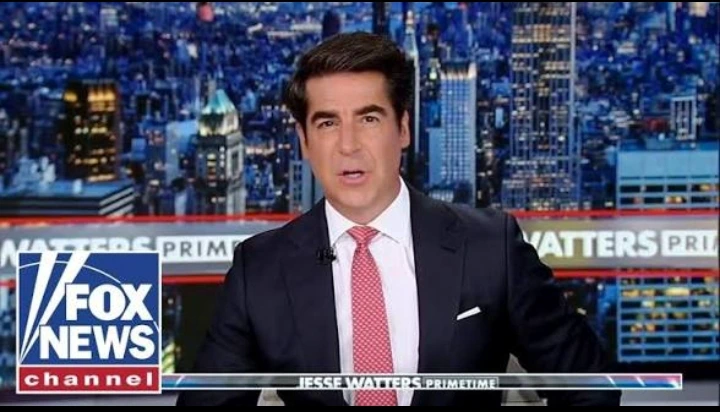
The geopolitical temperature surrounding the Middle East has risen once again following provocative remarks by Jesse Watters, who suggested that any deal involving the reopening of a critical maritime route could come at an extraordinary and dangerous cost. His statement, “They’ll open the strait if we lift blockade; we would also have to negotiate them nuking us,” has ignited debate across political and security circles, highlighting the fragile balance between diplomacy and deterrence in one of the world’s most volatile regions.
 At the heart of the discussion lies the Strait of Hormuz, a narrow but vital passage through which a significant portion of the world’s oil supply flows. Control or disruption of this strait has long been a strategic lever for regional powers, particularly Iran. Any blockade or threat to shipping in this corridor has immediate global consequences, from energy prices to international security.
Watters’ remarks appear to frame a hypothetical negotiation scenario in stark and controversial terms, implying that concessions to reopen the strait could embolden adversaries or even legitimize extreme threats. While critics argue that such rhetoric oversimplifies complex diplomatic realities, supporters claim it underscores the risks of engaging with regimes perceived as hostile or unpredictable.
The backdrop to this commentary is the long-standing tension between United States and Iran, particularly over nuclear ambitions. Concerns surrounding Iran’s nuclear program have been central to global security discussions for decades, especially since the breakdown of agreements like the Joint Comprehensive Plan of Action. The fear of nuclear escalation remains one of the most sensitive issues in international relations.
In recent months, reports of increased military posturing and maritime incidents in the Gulf have added urgency to these concerns. Tanker seizures, drone encounters, and naval exercises have all contributed to an atmosphere of uncertainty. Analysts warn that even minor miscalculations in such a tense environment could spiral into broader conflict.
Watters’ statement also reflects a broader debate within political discourse about how best to handle adversarial nations. Should diplomacy prioritize engagement and compromise, or should it emphasize strength and deterrence? The answer often depends on political ideology, risk tolerance, and interpretations of historical precedent.
Critics of the statement argue that equating negotiation with capitulation is misleading. Diplomacy, they contend, often involves difficult compromises that prevent larger conflicts. They caution that inflammatory rhetoric can further strain already fragile relationships and reduce the likelihood of peaceful resolution.
On the other hand, some commentators believe that blunt language serves as a necessary wake-up call. They argue that underestimating threats or entering negotiations from a position of perceived weakness could have dire consequences. For them, Watters’ words resonate as a warning against naïveté in high-stakes international dealings.
Ultimately, the controversy surrounding these remarks underscores the complexity of modern geopolitics. The interplay between military power, economic interests, and diplomatic strategy makes simple solutions elusive. As tensions persist around the Strait of Hormuz and beyond, the global community remains watchful, aware that decisions made in this region can reverberate far beyond its waters.