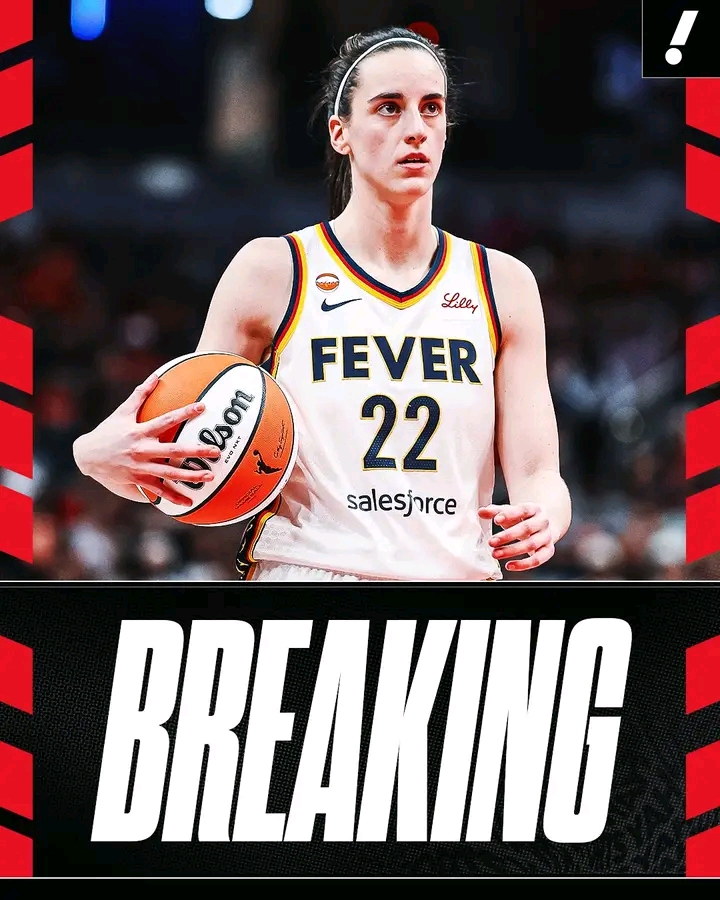
The WNBA is experiencing unprecedented growth, but one uncomfortable question continues to dominate conversations around the league: Is the league doing enough to protect its biggest stars?
Whether fans love or dislike Caitlin Clark, one fact is difficult to dispute—she has become the face of the WNBA’s explosive rise in popularity. Attendance records have fallen, television ratings continue climbing, merchandise sales have skyrocketed, and franchises are regularly moving games into larger arenas to accommodate demand.
Clark did not build the league by herself. Veterans and former stars spent decades laying the foundation, while today’s elite players continue producing outstanding basketball every night. But Clark has undeniably accelerated the league’s momentum in ways few athletes ever have.
That is why every controversial on-court incident involving the Indiana Fever rookie generates national headlines.
PHYSICAL PLAY IS PART OF BASKETBALL—CHEAP SHOTS ARE NOT
The WNBA has always been known for its physical style of play. Tough defense, hard fouls, and competitive intensity are part of the league’s identity.
However, many fans believe there is an important distinction between legitimate physical basketball and unnecessary actions that appear unrelated to making a basketball play.
Recent incidents involving Alyssa Thomas and both Caitlin Clark and Angel Reese have reignited debate about where that line should be drawn. While opinions differ on whether individual plays deserved harsher punishment, the larger issue is perception.
When fans believe dangerous or unnecessary contact is being dismissed too easily, confidence in league officiating suffers.
For a league experiencing historic growth, maintaining consistency in player safety is becoming increasingly important.
CAITLIN CLARK’S IMPACT GOES FAR BEYOND THE BOX SCORE
Clark’s influence extends well beyond her scoring and passing.
Her arrival has coincided with:
- Record-breaking television audiences.
- Increased national media attention.
- Higher ticket demand across the league.
- Greater sponsorship opportunities.
- Continued momentum toward improved player salaries and benefits.
- Expanded investment in the WNBA’s future.
These developments are the result of years of work by players, executives, and coaches, but Clark has undeniably become the catalyst that pushed the league into mainstream sports conversation.
That reality also increases the responsibility of the WNBA to ensure its stars—regardless of team or popularity—are protected through fair and consistent officiating.
HISTORIC PERFORMANCES DESERVE MORE ATTENTION
Unfortunately, the endless controversy surrounding officiating and physical play has overshadowed remarkable achievements happening across the league.
Marina Mabrey delivered one of the greatest individual performances in WNBA history by scoring 53 points while knocking down nine three-pointers, tying league records in the process.
Meanwhile, rookie Olivia Miles has enjoyed a sensational start to her professional career. She surpassed the pace previously set by Caitlin Clark and Paige Bueckers to become the fastest player to reach 300 points and 100 assists. Her all-around play has also helped Minnesota remain among the league’s elite despite injuries to key players.
Angel Reese continues making history as well, becoming the fastest player ever to collect 1,000 career rebounds while establishing herself as one of the league’s premier rebounders.
These accomplishments should be dominating basketball headlines.
Instead, many conversations continue revolving around controversial fouls and disciplinary decisions.
THE WNBA CANNOT ALLOW CONTROVERSY TO DEFINE ITS SUCCESS
The league is in the strongest position it has ever been financially and culturally.
That momentum creates enormous opportunity—but also increased scrutiny.
Every controversial incident involving a superstar becomes a national talking point, often overshadowing the exceptional basketball taking place across the league.
The WNBA does not need to eliminate physical basketball. Fans appreciate intensity.
What supporters want is consistency.
Players should feel protected regardless of whether they are rookies or veterans, superstars or role players.
When disciplinary decisions appear inconsistent, debates quickly replace discussions about great performances.
THE CONVERSATION SHOULD STAY FOCUSED ON BASKETBALL
Another unfortunate reality is that discussions surrounding the WNBA sometimes drift into debates about race, identity, or personal bias instead of basketball itself.
Strong opinions are inevitable in professional sports, but dangerous or unnecessary plays should be evaluated by the same standard regardless of who commits them or who is on the receiving end.
Likewise, great performances deserve recognition regardless of the player’s background.
The league’s future will be strongest when excellence—not controversy—drives the conversation.
WHAT THIS MEANS FOR THE INDIANA FEVER
For the Indiana Fever, protecting Caitlin Clark is about more than one player.
She is the engine of one of the league’s most exciting young teams and one of the biggest attractions in professional basketball.
If Clark remains healthy, Indiana has the potential to challenge the league’s elite teams as the season progresses. Her chemistry with the Fever’s young core continues to improve, and every game provides valuable experience for a roster with championship ambitions in the coming years.
The WNBA’s biggest opportunity is not found in controversy.
It is found in showcasing elite basketball, celebrating historic achievements across every franchise, and ensuring every star has the chance to compete safely.
If the league can strike that balance, this era could become the most successful chapter in WNBA history.