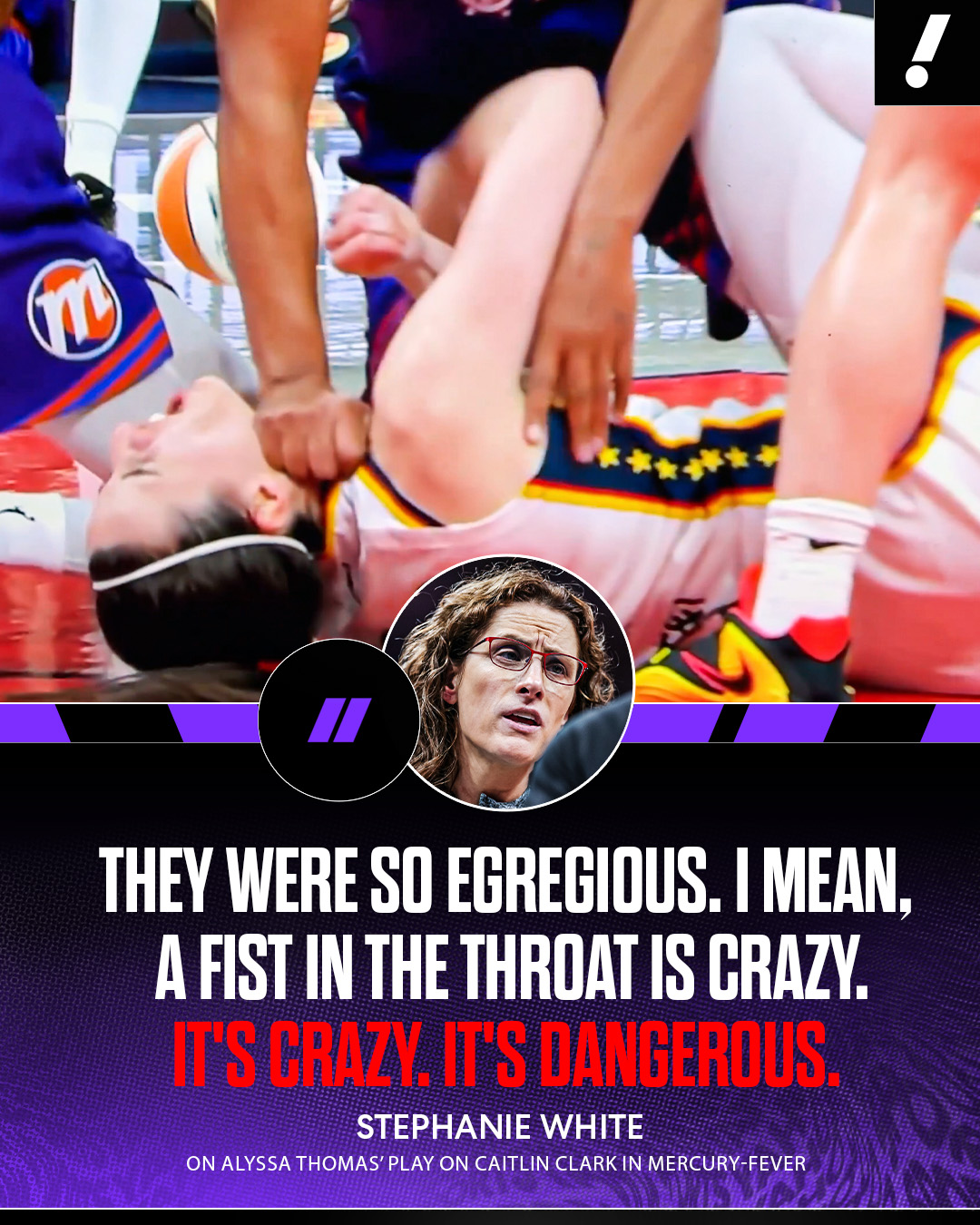
Indiana Fever head coach Stephanie White made her feelings known following Wednesday’s matchup against the Phoenix Mercury, voicing frustration after a no-call involving Caitlin Clark that quickly became a major talking point among fans.
The moment added fuel to an ongoing discussion surrounding how Clark is officiated and whether the Fever star is receiving the same level of protection as other marquee players around the league.
For Fever supporters, White’s reaction reflected a sentiment that has been building throughout the season. While physical defense is part of professional basketball, many believe Clark has repeatedly absorbed significant contact without receiving the whistles that would normally accompany those plays.
WHY THIS MOMENT RESONATED WITH FEVER FANS
The no-call itself was only part of the story.
What made the situation stand out was the response from White afterward. Coaches often choose their words carefully when discussing officiating, especially during a long season. When a head coach publicly expresses frustration, it usually signals a deeper concern that extends beyond a single possession.
For Indiana, every possession matters as the team continues to establish itself as a legitimate contender. Missed calls can impact momentum, scoring opportunities, player confidence, and ultimately the outcome of games.
Fans immediately took to social media to debate the play, with many arguing that Clark continues to face an unusual level of physicality whenever she steps onto the court.
THE CAITLIN CLARK EFFECT
Few players in basketball have generated the attention that Clark brings every night.
Opposing arenas fill up when she visits. Television ratings rise. Merchandise sales increase. Every game involving the Fever becomes a major event.
That visibility creates unique challenges.
Defenders often bring extra intensity when facing the league’s biggest star. Physical play becomes part of the strategy, and every interaction receives heightened scrutiny from fans, analysts, and media outlets.
Because Clark commands so much attention, officiating decisions involving her are rarely forgotten. Each controversial moment becomes part of a larger conversation about consistency and fairness.
HOW OFFICIATING CAN IMPACT INDIANA’S SEASON
The Fever have shown significant growth this season, with a roster capable of competing against some of the league’s strongest teams.
However, player availability and effectiveness remain crucial factors.
When a primary ball-handler consistently absorbs contact, several consequences can follow:
– Increased physical wear over the course of the season.
– Reduced aggressiveness when attacking the basket.
– Greater risk of injuries.
– Additional pressure on teammates to create offense.
Indiana’s championship aspirations depend heavily on Clark’s ability to remain healthy and productive. Protecting star players is not about giving favorable treatment; it is about ensuring that rules are applied consistently throughout the game.
If the Fever are going to make a deep postseason run, they will need their franchise cornerstone operating at her highest level.
STEPHANIE WHITE’S ROLE AS A LEADER
White’s comments were also a reminder of one of the most important responsibilities of a head coach: standing up for players.
Whether officials agree with her assessment or not, publicly supporting Clark sends a message throughout the organization that the coaching staff is paying attention and willing to advocate for its stars.
Those moments can strengthen trust inside a locker room.
Players want to know their coaches have their backs, particularly during difficult stretches or controversial situations. White’s willingness to address the issue demonstrated her commitment to protecting her team both strategically and emotionally.
WILL THE LEAGUE RESPOND?
The bigger question moving forward is whether concerns about Clark’s treatment will lead to increased attention from league officials.
The WNBA has every reason to ensure consistency in officiating. As the league continues to experience unprecedented growth, maintaining confidence in competitive fairness becomes increasingly important.
That does not mean every disputed play will result in a foul call. Basketball remains a fast and physical sport where judgment calls are unavoidable.
However, recurring debates surrounding the same player inevitably attract attention and may encourage closer evaluation of how games are being officiated.
WHAT THIS MEANS FOR THE FEVER GOING FORWARD
The Fever’s focus will ultimately remain on winning basketball games.
Still, moments like Wednesday’s no-call have a way of lingering because they touch on larger issues that extend beyond a single contest. They raise questions about player safety, officiating consistency, and how the league handles its biggest stars.
As Indiana continues its push toward postseason success, Clark will remain at the center of every opponent’s game plan and every national conversation surrounding the team.
Expect the debate to continue whenever controversial plays occur. And if similar incidents keep happening, the pressure on officials to demonstrate consistency will only grow stronger.
For now, one thing is certain: Stephanie White’s frustration reflects a concern shared by many throughout Fever Nation, and the conversation surrounding Caitlin Clark’s officiating is unlikely to disappear anytime soon.