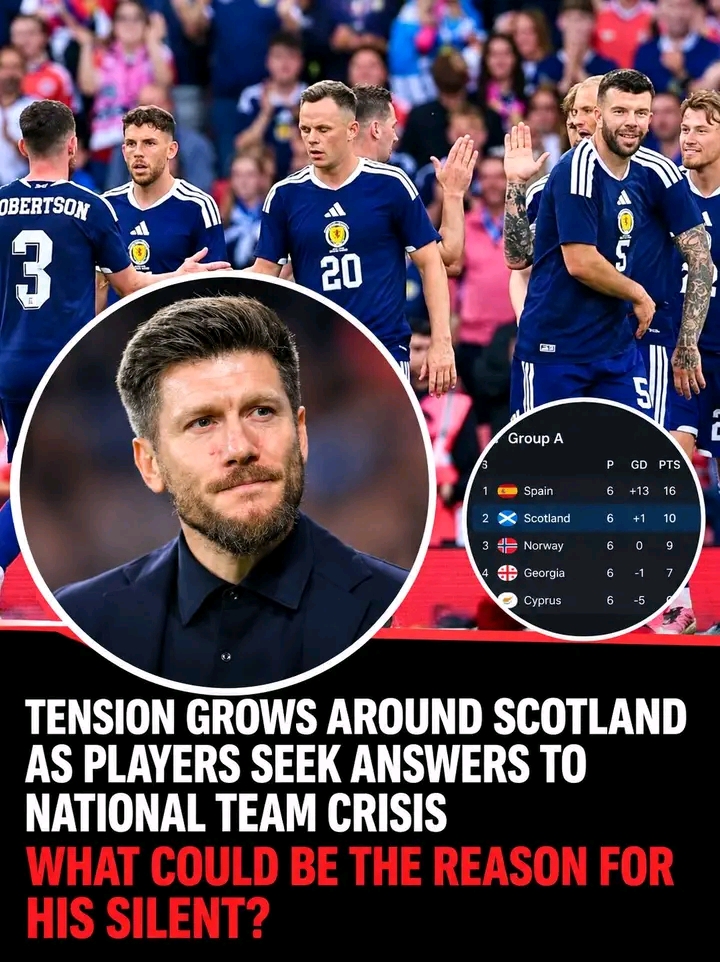
The national team setup in Scotland is undergoing a profound transformation as senior players seek urgent discussions with head coach Sébastien Pocognoli following a period of tactical shift and mixed performances. Appointed as only the second foreign manager in the country’s history, the Belgian tactician inherited a squad steeped in structured pragmatism. However, his insistence on implementing a fluid, possession-heavy 3-4-1-2 setup has created friction within the camp. While the Scottish Football Association praised his appointment as a modern leap forward, senior leaders in the dressing room are reportedly eager for clarity regarding squad roles, selection criteria, and defensive stability.
This internal unrest comes on the heels of early matches where the squad struggled to adapt to Pocognoli’s intricate demands. The transition from a familiar, reactive approach to high-pressing European positional play has left several key figures isolated on the pitch. Pundits and fans alike noticed a lack of cohesion during recent outings, with team movement appearing disjointed and critical decision-making compromised. The upcoming meeting between the leadership group and the manager is seen as a pivotal moment, with players seeking reassurance that their existing strengths won’t be discarded entirely in pursuit of an abstract tactical overhaul.
Pocognoli, who previously enjoyed managerial success in continental football, faces the unique challenge of managing a national side with limited training ground windows. Unlike club management, where tactical ideas can be drilled daily, international football demands rapid execution and clear communication. Senior players are reportedly urging the coaching staff to simplify instructions ahead of crucial competitive fixtures, arguing that over-complicating roles under tight schedules risks diluting the team’s traditional competitive edge and intensity.
For the Scottish FA, the situation presents an early test of their ambitious vision. Changing the footballing culture of a national setup was never going to happen seamlessly, but the speed at which player concerns have surfaced highlights the delicate nature of modern dressing room management. Pocognoli’s willingness to listen and adapt his methodology during these talks will likely dictate the trajectory of his tenure. If a middle ground can be reached, the squad’s core grit paired with his tactical modernism could yield impressive results; if not, this new era risks stalling before it truly takes off.
As the next international window approaches, all eyes remain focused on Hampden Park and the training complex. Supporters are desperate for positive signs that manager and squad are aligned on a unified strategy. How Pocognoli handles these candid conversations with his squad will offer the clearest indication yet of whether his appointment represents a genuine step into a prosperous future or another complicated chapter in Scottish football history.