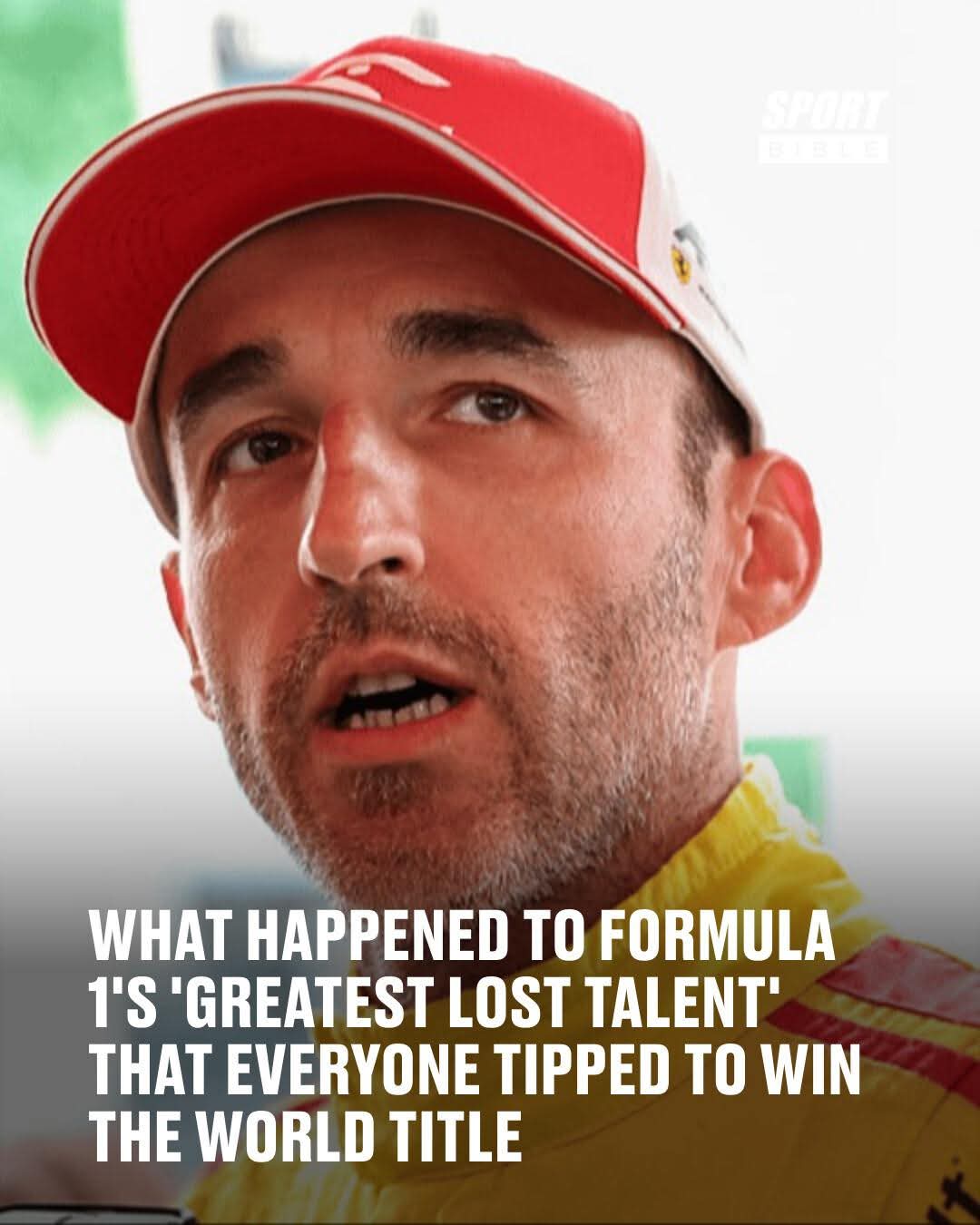
The story of Robert Kubica remains one of the most compelling “what if” narratives in Formula 1 history. Widely regarded as a future world champion, the Polish driver’s journey combined extraordinary talent, devastating setbacks, and a remarkable comeback that continues to inspire fans across the sport.
Kubica made his Formula 1 debut in 2006 with BMW Sauber and quickly established himself as one of the grid’s most naturally gifted drivers. His defining moment came at the 2008 Canadian Grand Prix, where he secured a historic victory—still the only win of his F1 career. Even at that early stage, his technical precision, race intelligence, and fearless driving style marked him as a future title contender. Lewis Hamilton, who raced alongside him since their karting days, later described Kubica as “one of the most talented drivers” he had ever faced.
By 2010, Kubica’s trajectory pointed firmly toward the pinnacle of the sport. Driving for Renault, he consistently outperformed expectations and attracted serious interest from Ferrari. Reports suggested that a move to the iconic Italian team for the 2012 season was within reach, potentially placing him alongside or against elite drivers like Fernando Alonso. Many within the paddock believed that, given the right machinery, Kubica had all the attributes required to fight for—and possibly win—a world championship.
Everything changed in 2011. A catastrophic rally accident left Kubica with life-threatening injuries, including severe damage to his right arm. The crash not only sidelined his Formula 1 career but led many to believe he would never race again. The physical and psychological toll was immense, effectively halting what could have been one of the sport’s defining careers. Former insiders, including F1 analyst Ted Kravitz, would later describe Kubica as “the greatest lost talent” the sport has ever seen—a driver whose peak was never fully realized.
Against all odds, Kubica returned to Formula 1 in 2019 with Williams. While the car’s lack of competitiveness limited his impact, his comeback alone was a victory in itself. Scoring the team’s only point that season in Germany was a symbolic reminder of his resilience and enduring skill, even under difficult circumstances.
Kubica’s story, however, did not end there. In a remarkable twist, he achieved redemption outside Formula 1 by winning the prestigious 24 Hours of Le Mans in 2025 with Ferrari. The victory marked a historic milestone, making him the first Polish driver to win the iconic race and cementing his legacy as one of motorsport’s most resilient competitors. It also validated long-standing beliefs about his talent, proving that even after immense adversity, his ability remained world-class.
From an analytical perspective, Kubica’s career highlights the fragile nature of success in Formula 1. Talent alone is rarely enough—timing, opportunity, and circumstances play equally critical roles. His near-move to Ferrari and the trajectory he was on before 2011 suggest that he could have been a consistent title challenger, if not a champion. Instead, his legacy is shaped by both brilliance and misfortune.
Looking ahead, Kubica’s journey serves as a powerful benchmark for the next generation of drivers. Rising stars like Kimi Antonelli and others entering the sport carry immense expectations, but Kubica’s story is a reminder of how quickly fortunes can change. While fans may forever wonder what might have been, his resilience and achievements ensure that his place in motorsport history is secure—both as a lost champion and as a symbol of extraordinary perseverance.