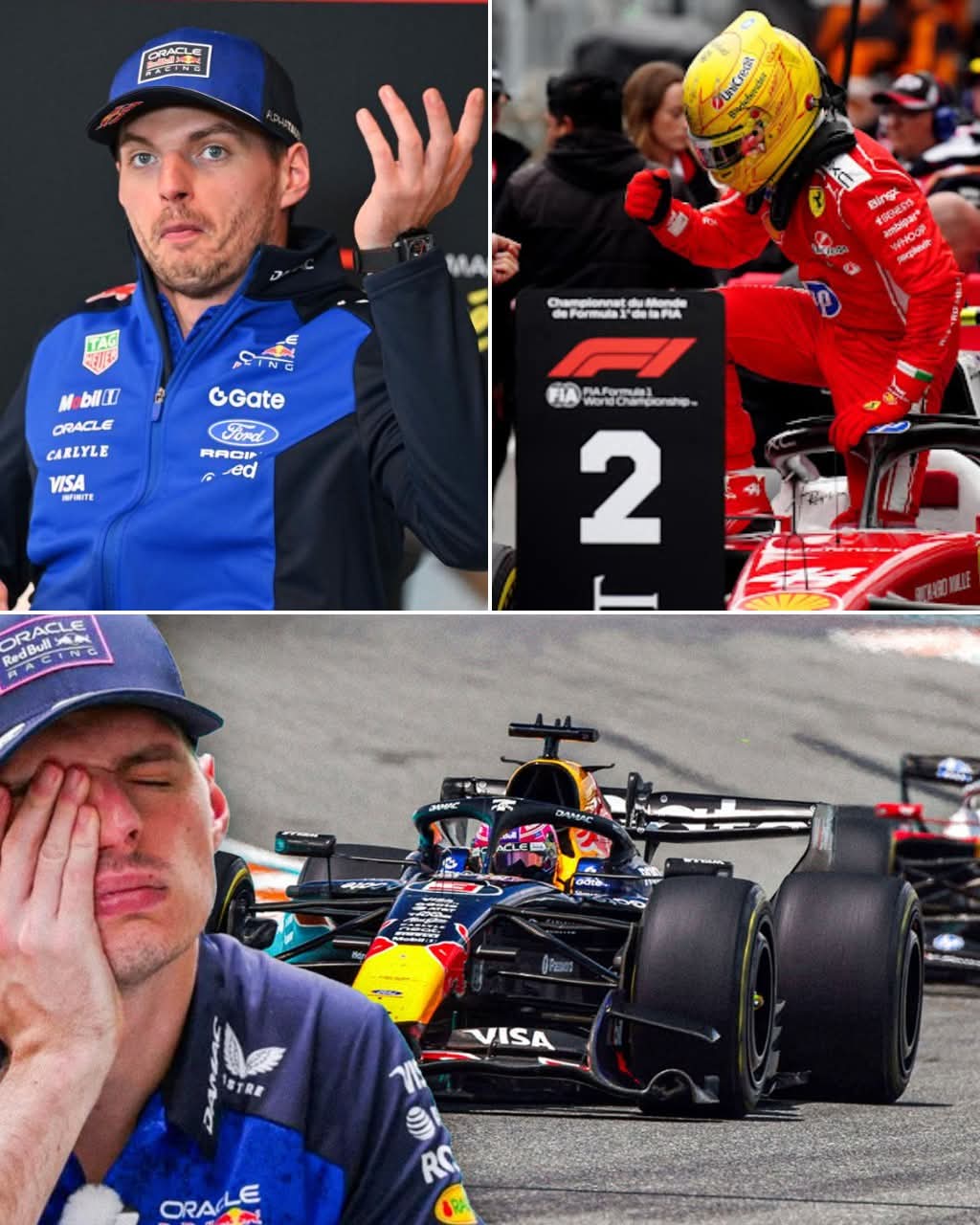
Max Verstappen may have returned to the podium at the Canadian Grand Prix, but his strong finish did not change the mood surrounding Formula 1’s evolving regulations. Instead of celebrating a positive result for Red Bull, the four-time world champion used the weekend to once again voice serious concerns about the future direction of the sport, calling aspects of the current regulations “anti-driving” and “anti-racing.”
His comments have rapidly become one of the biggest talking points inside the paddock, not simply because of their intensity, but because they touched on something far bigger than one race result. Verstappen openly suggested that future regulatory decisions, particularly around the 2027 engine framework, could influence whether he continues his Formula 1 career long-term.
For a driver who has already rewritten parts of the record books, those remarks immediately sent shockwaves across the sport.
Verstappen Returns to the Podium But Frustration Remains
Finishing third in Canada represented a positive step for Red Bull during a season that has often looked far more difficult than many expected. Verstappen battled hard throughout the race and eventually secured his first podium finish of the 2026 campaign.
The Dutchman even admitted he enjoyed fighting wheel-to-wheel again, particularly in the closing stages where he shared an intense battle with Lewis Hamilton.
Yet beneath the result sat a different story.
Despite the podium, Verstappen made it clear that his issue is not with individual races but with the broader driving experience being created under Formula 1’s modern power-unit regulations.
The current hybrid package heavily balances combustion and electric energy deployment, creating significant energy management requirements throughout races and qualifying sessions. According to Verstappen, that approach moves the sport away from what Formula 1 was traditionally built around.
Why Verstappen Believes Modern F1 Feels Less Natural
Verstappen’s criticism centers around the increasing dependence on energy management rather than pure attacking racecraft.
His argument is straightforward: Formula 1 drivers should be pushing to the limit naturally rather than constantly calculating battery deployment, harvesting strategies, and lift-and-coast scenarios.
The Red Bull star recently compared Formula 1 to other forms of motorsport he has experienced, suggesting that more traditional race cars provide a more direct and authentic feeling.
In his view, modern F1 risks losing some of the raw characteristics that made it special.
The concern is not necessarily speed itself. Formula 1 cars remain among the fastest machines in motorsport history. The debate instead revolves around how drivers access that performance.
For drivers like Verstappen, racing should feel instinctive rather than engineered around conservation.
The 2027 Regulation Changes Could Shape F1’s Future
One of the biggest discussions currently taking place inside Formula 1 involves potential adjustments to the engine formula for 2027.
Current conversations suggest shifting power delivery toward a roughly 60-40 split between internal combustion and electric power rather than the existing 50-50 arrangement. The objective would be to reduce excessive energy dependency and allow drivers to race more aggressively.
Verstappen appears strongly supportive of those proposed changes.
He reportedly described such modifications as close to “returning to normal,” indicating they would make the sport feel more natural from a driver’s perspective.
However, Formula 1 politics rarely moves smoothly.
Several manufacturers reportedly have concerns involving development costs, competitive balance, and implementation timing. Those debates have created uncertainty around whether the proposals will ultimately move forward exactly as planned.
Why Red Bull and F1 Are Paying Close Attention
Verstappen is not simply another driver expressing frustration.
He remains one of Formula 1’s biggest global stars and one of the sport’s most influential voices. When a champion openly raises concerns about enjoying the driving experience itself, teams and governing bodies pay attention.
The Dutchman has previously spoken about wanting to explore other racing categories during his career, including endurance racing and events outside Formula 1.
That context makes his comments particularly significant.
Fans may initially dismiss retirement speculation as emotional reactions after difficult weekends, but Verstappen has repeatedly shown that he values enjoyment and driving purity as much as trophies.
Analysis: Formula 1 Faces a Difficult Balance
The sport finds itself navigating two competing priorities.
On one side sits technological innovation, sustainability goals, and manufacturer involvement. On the other side sits the desire to maintain the aggressive, instinctive racing identity that attracted millions of fans to Formula 1.
Finding a middle ground will be critical.
Formula 1 has always evolved through regulation changes, but every generation eventually faces questions about whether the sport has drifted too far from its roots.
Verstappen’s comments may sound controversial, yet they likely reflect concerns shared by others across the paddock.
Predictions: What Happens Next?
The pressure surrounding the 2027 regulations is unlikely to disappear anytime soon. Expect ongoing discussions between teams, manufacturers, the FIA, and Formula One Management over how aggressively changes should be implemented.
As for Verstappen, his immediate focus will remain on helping Red Bull build momentum after Canada. But if regulatory debates continue creating uncertainty, questions about his long-term future will only become louder.
For now, the message from the reigning champion is clear: podiums alone are not enough.
The future of Formula 1, and perhaps the future of Max Verstappen within it, could depend on whether the sport delivers racing that feels pure again.