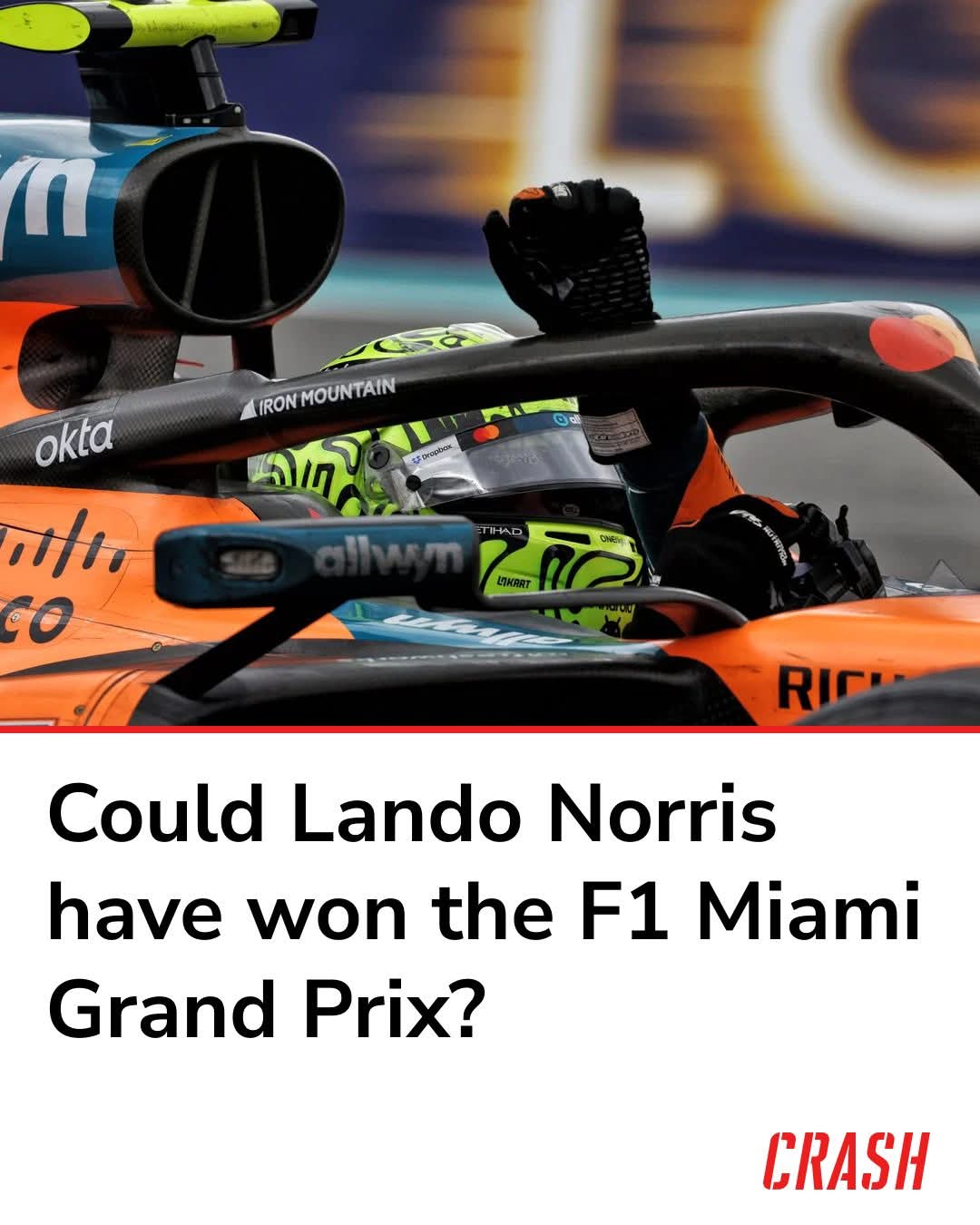
The aftermath of the Miami Grand Prix has sparked one key question across the paddock: could Lando Norris have converted his early dominance into a race victory? According to Andrea Stella, the answer is yes—but only if a series of small but critical moments had gone differently.
Norris controlled the race during the opening stint and looked firmly on course for a win before the decisive pit stop phase unfolded. Andrea Kimi Antonelli pitted first, triggering a chain reaction that saw Norris respond a lap later. However, as the McLaren rejoined the track, Antonelli—benefiting from tyres already at optimal temperature—executed a clean and clinical overtake that ultimately defined the race outcome.
At first glance, it appeared to be a straightforward strategic error. Norris himself suggested that McLaren should have pitted earlier. But Stella offered a more nuanced explanation, highlighting that the loss wasn’t down to a single call—it was the result of a “perfect storm.” Time lost in the pit lane, a less-than-ideal in-lap, and minor execution issues collectively eroded Norris’ margin, leaving him exposed at the worst possible moment.
From a technical standpoint, this underscores a brutal reality in modern Formula 1: when performance gaps are measured in tenths, execution becomes everything. Stella admitted that McLaren needed to be significantly further ahead—by around seven-tenths of a second—to neutralize Antonelli’s tyre advantage. Without that buffer, defending the position was always going to be an uphill battle, regardless of driver skill.
Despite the disappointment, McLaren’s overall performance paints a promising picture. The team secured a 1-2 finish in the sprint race and demonstrated clear progress in race pace compared to earlier rounds. Stella emphasized that McLaren is still chasing a marginally faster Mercedes F1 Team package, but believes upcoming upgrades—expected as early as Canada—could close that gap further.
Looking ahead, the implications are significant. If McLaren can refine its execution and unlock a fraction more performance, Norris could soon transition from contender to consistent race winner. The Miami result may feel like a missed opportunity, but it also confirms something more important: McLaren is no longer chasing from behind—they are firmly in the fight, and the next breakthrough win may only be a matter of time.