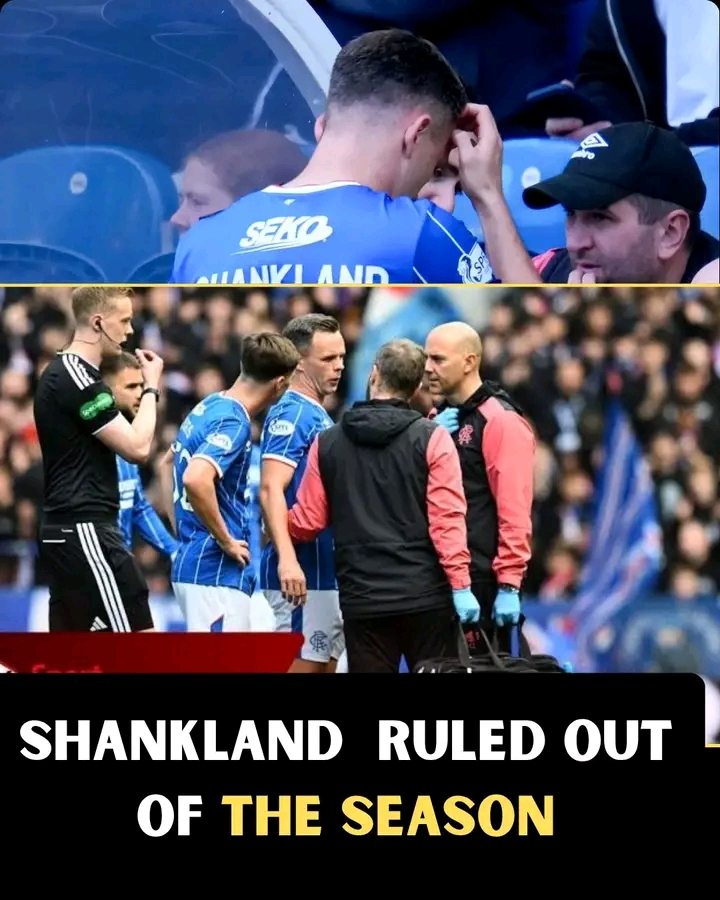
The domestic fixture list rarely offers respite, but the timing of the latest injury update could not come at a more challenging juncture for Rangers. Ahead of a high-stakes encounter, the medical room at Ibrox is operating at maximum capacity as up to 11 players across both squads race against the clock to prove their fitness. With crucial points and momentum on the line, the sheer volume of potential absentees presents a significant headache for manager Derek McInnes, whose tactical adaptability and squad depth are set to be tested to their absolute limits.
Managing a squad through a congested calendar always requires careful rotation, but facing a major fixture with key personnel blanketed in uncertainty forces a complete rethink of matchday preparation. For McInnes, the dilemma extends beyond simply swapping out one player for another; it threatens the core chemistry and structural consistency he has worked to establish in recent weeks. Key tactical decisions regarding pressing triggers, defensive setups, and attacking combinations now remain on hold until the final fitness tests are conducted hours before kickoff.
The breadth of the fitness concerns spans critical areas of the pitch, leaving both defensive stability and midfield control in a state of flux. When as many as 11 senior figures are dealing with minor knocks, muscular strains, or late-stage rehabilitation, a manager’s tactical blueprint must remain fluid. Late fitness checks often mean that line-up confirmation is delayed until the absolute deadline, forcing bench players and fringe squad members to prepare with the mindset that they could be thrust into the starting eleven on short notice.
For the fringe players within the Rangers setup, this period of uncertainty represents a double-edged sword. While nobody inside the club wants to see key starters sidelined, the sudden demand for squad rotation opens doors for emerging talent and secondary options to stake their claim. McInnes has consistently emphasized the importance of squad unity and readiness, reiterating that success over a long campaign relies as much on the bench as it does on the primary starting lineup. How effectively these secondary options step up could ultimately dictate the outcome of the match.
As the clock ticks closer to kickoff, all eyes remain on the training ground to see who successfully navigates the final physical assessments. For Rangers, navigating this selection crisis requires clear communication, pragmatic tactics, and a sharp performance from those called upon to fill the void. McInnes will know that excuses carry little weight once the referee blows the whistle, and overcoming these selection hurdles with a positive result would deliver a massive statement about the resilience and character of his side.