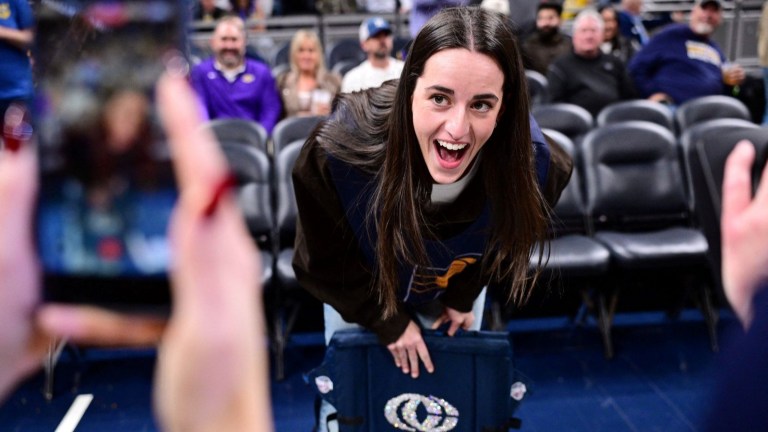
The Indiana Fever have found themselves at the center of renewed controversy following criticism over an “embarrassing” artificial intelligence-related statement, coming just days after a separate public relations misstep involving Caitlin Clark. The back-to-back incidents have sparked debate among fans, media analysts, and technology experts about the growing pains sports organizations face as they increasingly adopt AI tools for communication and branding.
 The latest uproar began when the Fever released a statement addressing their use of AI-generated content, aiming to clarify their approach after the earlier incident. However, instead of calming tensions, the wording of the message drew widespread backlash. Critics described the statement as poorly thought out, lacking accountability, and reflective of a misunderstanding of how AI should be responsibly deployed in a professional sports setting.
Just days earlier, the franchise had already come under scrutiny after sharing an AI-generated image that was widely believed to depict Caitlin Clark inaccurately. The image quickly circulated online, with fans pointing out inconsistencies in facial features and overall likeness. What might have been intended as a creative promotional piece instead turned into a viral example of how AI-generated visuals can backfire when not carefully reviewed.
Caitlin Clark, one of the brightest young stars in the WNBA, has been central to the Fever’s surge in popularity and media attention. Since being drafted, her presence has elevated the team’s profile, drawing record viewership and increasing engagement across social media platforms. As such, any content associated with her—especially one that misrepresents her image—was always likely to attract heightened scrutiny.
The Fever’s follow-up AI statement was expected to strike a tone of responsibility and reassurance. Instead, many observers felt it deflected criticism and failed to directly address the core issue: the need for better oversight when using emerging technologies. Some commentators argued that the team appeared more concerned with defending its actions than acknowledging the concerns of fans and stakeholders.
This situation highlights a broader challenge within professional sports leagues like the WNBA. As teams look for innovative ways to engage audiences, AI has become an increasingly attractive tool. From generating graphics to drafting social media captions, the technology promises efficiency and creativity. However, without proper safeguards, it also introduces risks—particularly when it comes to authenticity and representation.
Public reaction has been swift and, in many cases, unforgiving. Fans took to social media to express disappointment, with some calling for stricter internal controls and greater transparency regarding AI usage. Others questioned whether teams are moving too quickly to adopt such technologies without fully understanding their implications. The controversy has also reignited discussions about digital ethics and the importance of maintaining trust between sports organizations and their audiences.
For the Indiana Fever, the timing of these incidents could not be worse. With growing attention on the team due to Caitlin Clark’s arrival, the franchise has a unique opportunity to build a strong, positive brand identity. However, missteps like these risk undermining that momentum and shifting the narrative away from on-court performance to off-court controversies.
Experts in sports marketing suggest that the team now faces a critical moment. How the Fever respond moving forward—whether by implementing stricter content review processes or offering a more direct acknowledgment of their mistakes—will likely determine how long this controversy lingers. Transparency, they argue, will be key to rebuilding credibility.
Ultimately, this episode serves as a cautionary tale not just for the Indiana Fever, but for the wider sports industry. As AI continues to reshape how teams communicate and connect with fans, the importance of human oversight cannot be overstated. Technology may offer powerful tools, but it is the responsibility of organizations to ensure those tools are used thoughtfully and ethically.
In the case of the Indiana Fever, the hope among supporters is that lessons will be learned quickly. With a promising future on the court and a star like Caitlin Clark leading the way, the focus can still return to basketball—provided the team navigates this off-court challenge with care and accountability.