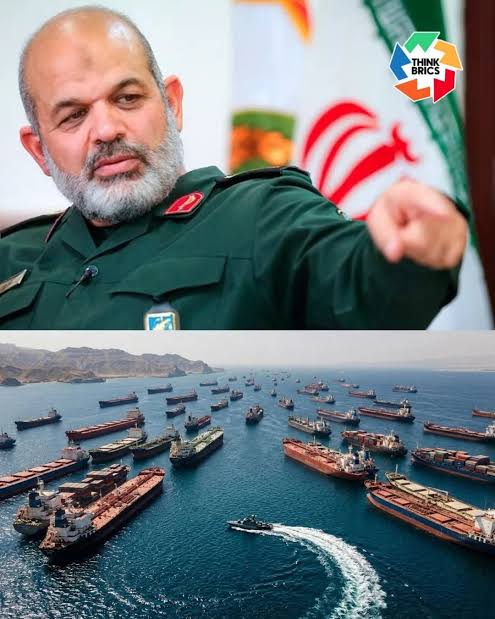
Iran’s Islamic Revolutionary Guard Corps (IRGC) has unveiled a new set of maritime measures aimed at reshaping control and governance over the strategically vital Strait of Hormuz, declaring that the waters will become a “source of security and prosperity” for both Iran and the wider region. The announcement reflects Tehran’s evolving maritime doctrine amid heightened geopolitical tensions and ongoing disputes with Western powers.
 According to official statements, the IRGC Navy intends to assert expanded authority over nearly 2,000 kilometers of Iran’s southern coastline, spanning the Persian Gulf and the Strait of Hormuz. This move is framed as part of a broader strategy to transform the region into a zone of stability under Iranian oversight, while simultaneously reinforcing national sovereignty and regional influence.
The declaration comes at a time when the Strait of Hormuz—through which roughly one-fifth of global oil supply passes—has become a focal point of international tension. In recent months, Iran has tightened its grip on maritime activity, introducing regulations that require vessels to coordinate with Iranian authorities before transit. These measures signal a shift from traditional norms of relatively open navigation to a more controlled and security-driven framework.
Iranian leadership has emphasized that the new maritime approach is designed not only to ensure security but also to bring economic benefits. Officials argue that stabilizing the waterway under Iranian management could enhance regional trade and reduce external interference. The rhetoric of “prosperity” is intended to present Iran as a guarantor of safe passage—provided that vessels comply with its rules.
This policy direction aligns with recent statements from Iran’s top leadership, who have called for a new phase of regional management following the country’s confrontation with the United States and its allies. The leadership has repeatedly stressed that foreign powers with hostile intentions should have no role in the Gulf, framing Iran’s actions as defensive and necessary for long-term peace.
However, the IRGC’s announcement has been met with skepticism and concern internationally. Critics argue that increased Iranian control over the Strait could disrupt global shipping and energy markets, particularly if access becomes conditional or politicized. Reports have already indicated proposals for transit fees and restrictions on vessels linked to certain countries, raising questions about freedom of navigation.
The timing of the announcement is also significant. It follows reports of economic strain on Iran due to sanctions and maritime disruptions, as well as a broader standoff with the United States over control of the waterway. By consolidating control, Iran may be seeking leverage in ongoing diplomatic and economic negotiations.
In addition, recent developments suggest that Iran’s maritime strategy includes strict routing systems and designated transit corridors, ostensibly to improve safety and prevent incidents. Yet these measures also reinforce centralized oversight by the IRGC Navy, effectively positioning it as the gatekeeper of one of the world’s most critical shipping lanes.
Supporters within Iran view the initiative as a demonstration of strength and self-reliance, particularly after years of external pressure. The framing of the Strait of Hormuz as a “source of pride and power” underscores its symbolic importance in Iran’s national identity and geopolitical strategy.
Ultimately, the IRGC’s new maritime measures represent a bold attempt to redefine the balance of power in the Persian Gulf. While Tehran insists that its actions will foster security and prosperity, the broader international community remains cautious, aware that any disruption in the Strait of Hormuz could have far-reaching consequences for global trade, energy prices, and regional stability.