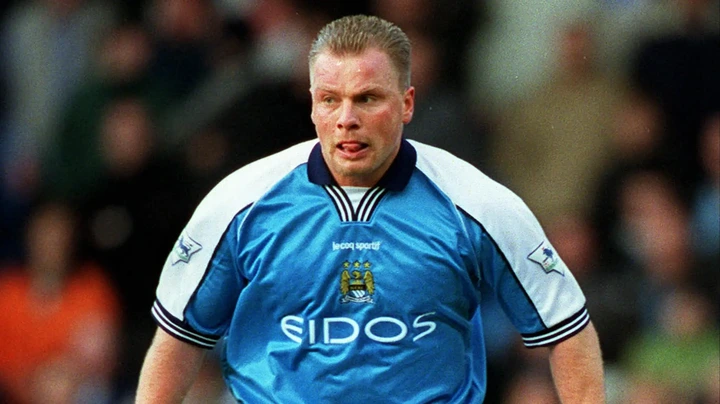
Former Manchester City captain Andy Morrison has bravely spoken out about the life-altering neurological condition he was diagnosed with earlier this year, shedding light on a deeply personal battle that has reshaped his daily existence. Known for his leadership on the pitch and his resilience as a player, Morrison is now facing perhaps his toughest challenge yet—one that extends far beyond football.
 In a candid reflection, Morrison revealed that the early signs of his condition were subtle and easy to dismiss. Like many neurological disorders, the symptoms crept in gradually, making it difficult to pinpoint exactly when things began to change. What started as minor physical or cognitive irregularities soon escalated into something more concerning, prompting medical consultations and, ultimately, a diagnosis that would change his life.
The former defender described the emotional toll of receiving such news, admitting that the reality of living with a neurological condition can be overwhelming. For someone whose identity has long been tied to physical strength, discipline, and competitive spirit, the diagnosis forced a sudden shift in perspective. Morrison acknowledged the fear and uncertainty that accompanied the early days, as he tried to come to terms with what the future might hold.
Despite the challenges, Morrison has emphasized the importance of mental resilience and support systems. He credited his family, friends, and former teammates for standing by him during this difficult period. Their encouragement has played a crucial role in helping him maintain a positive outlook, even as he navigates unfamiliar territory. The sense of camaraderie he once experienced in the dressing room has, in many ways, translated into his personal life.
Morrison’s openness has also sparked conversations about neurological conditions within the football community. Issues related to long-term brain health, including the impact of repeated head injuries, have become increasingly prominent in recent years. His story adds to a growing list of former players who are speaking out about similar struggles, encouraging greater awareness and research into player welfare.
Throughout his career, Morrison was known as a tough, uncompromising defender who led by example. His time at Manchester City, particularly during a transformative period for the club, cemented his status as a fan favorite. Now, he is once again demonstrating leadership—this time by using his voice to bring attention to a serious health issue that affects many beyond the world of sport.
The football world has responded with an outpouring of support, with fans and former colleagues sending messages of encouragement. Many have praised Morrison for his honesty, noting that such openness can inspire others facing similar diagnoses to speak up and seek help. In an environment where athletes are often expected to project strength at all times, his vulnerability stands out as both powerful and necessary.
Morrison has also expressed a desire to use his experience to advocate for better medical understanding and resources. By sharing his journey, he hopes to contribute to ongoing discussions about early detection, treatment, and long-term care for neurological conditions. His willingness to engage publicly reflects a commitment to making a difference, even in the face of personal adversity.
As he continues to adapt to life with his condition, Morrison remains focused on what he can control. While the road ahead may be uncertain, his determination and fighting spirit—qualities that defined his playing days—are still very much present. In many ways, this new chapter is a testament to his character, proving that true strength is not just about physical ability, but also about courage in the face of hardship.
Ultimately, Andy Morrison’s story is one of resilience, honesty, and hope. By speaking out, he has not only confronted his own challenges but also helped shine a light on an issue that deserves greater attention. For fans of Manchester City and the wider football community, his words serve as a reminder that even the strongest figures can face unseen battles—and that sharing those struggles can be a powerful step toward change.