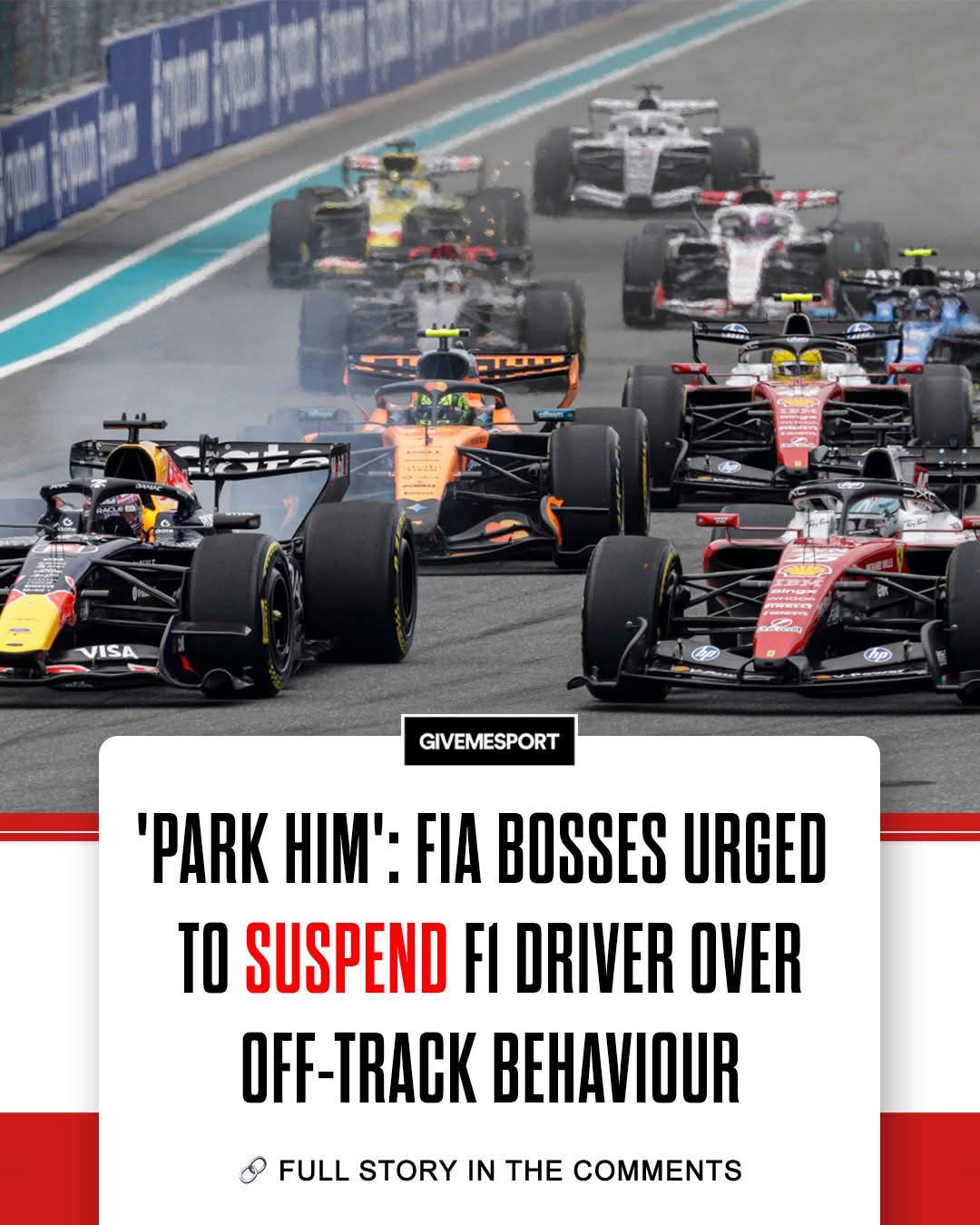
The Formula 1 paddock is facing a growing storm after senior voices within the sport urged the FIA to take firm disciplinary action against Max Verstappen. The reigning world champion has come under scrutiny following a series of outspoken criticisms directed at the sport’s new 2026 regulations, sparking debate over the limits of driver expression and respect for the sport.
The controversy stems from Verstappen’s repeated public dissatisfaction with the latest rule changes, which were introduced to improve sustainability and reshape the competitive landscape. While many drivers have quietly questioned the impact of these changes, Verstappen has been far more vocal. His comparisons of the current Formula 1 experience to arcade-style racing and even references to games like Mario Kart have intensified backlash, particularly among former drivers and traditionalists who believe such comments undermine the sport’s prestige.
Among the loudest critics is Juan Pablo Montoya, who has called for drastic measures, including a potential suspension. Montoya argued that while drivers have every right to express dissatisfaction, publicly ridiculing the sport crosses a line. He suggested that imposing penalty points or even a race ban could force a shift in tone, sending a clear message about maintaining professionalism within Formula 1.
However, the situation is layered with irony. Montoya himself was known for his rebellious attitude during his time in Formula 1, often clashing with officials and voicing frustrations about racing restrictions. His past conflicts, including his abrupt departure from the sport in 2006, have led some fans to question the consistency of his stance. This contrast adds complexity to the debate, raising questions about whether the sport is becoming less tolerant of outspoken personalities or simply enforcing stricter standards.
From a broader perspective, this controversy highlights a critical turning point for Formula 1. The 2026 regulations are part of a long-term vision to modernize the sport, but resistance from top drivers like Verstappen suggests a disconnect between governance and those on the grid. If tensions continue to escalate, the FIA may face increasing pressure to either enforce discipline or open dialogue with drivers to address their concerns more constructively.
Looking ahead, the outcome of this situation could have lasting implications. A harsh penalty against Verstappen would set a powerful precedent, potentially silencing criticism but also risking backlash from fans who value authenticity. On the other hand, a more measured response could encourage continued openness but weaken the FIA’s authority. As the season unfolds, this clash between regulation and resistance may prove just as decisive as the championship battle itself.