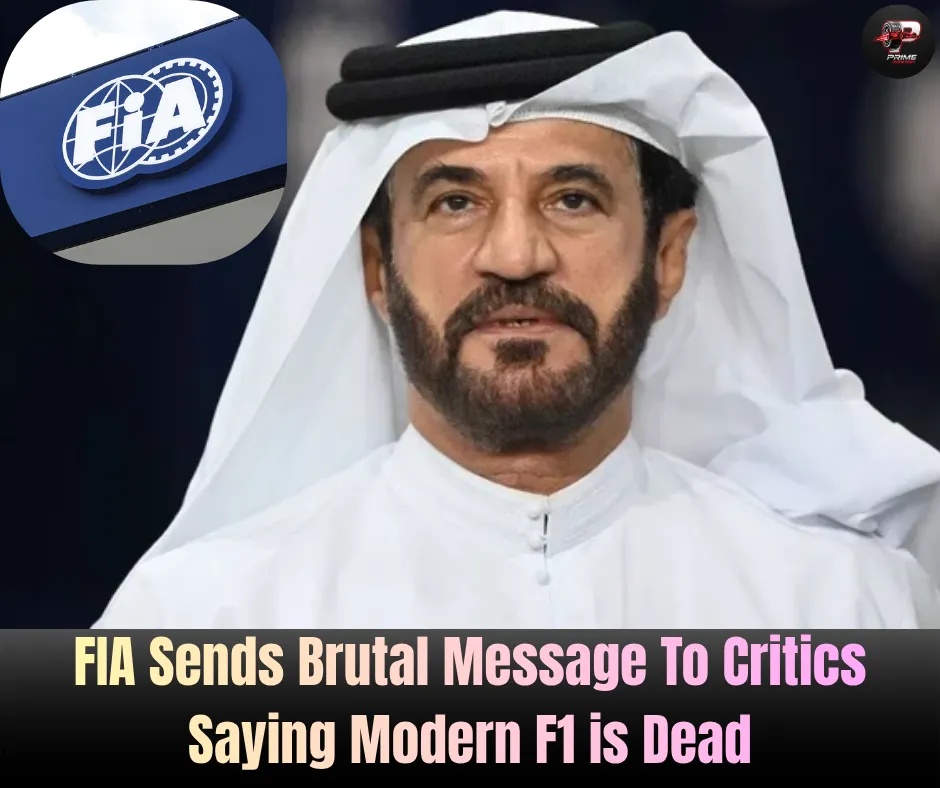
Formula 1’s controversial 2026 era has erupted into another major talking point after the FIA reportedly delivered a strong response to growing criticism surrounding the sport’s new regulations. As fans, drivers, and former champions continue questioning whether modern Formula 1 is losing its identity, the FIA appears determined to defend the direction the sport is heading — even as frustration inside the paddock intensifies.
The debate surrounding modern Formula 1 has exploded in recent months following the introduction of the new power unit and energy management regulations. Designed to push the sport toward a more sustainable future, the rules have instead divided the motorsport community. Critics argue that the current generation of cars has become overly dependent on battery deployment systems, strategic energy saving, and complicated software management rather than pure racing aggression.
Several high-profile drivers have openly voiced concerns about the current state of Formula 1. Max Verstappen compared aspects of the new regulations to “Mario Kart,” while Lewis Hamilton and Lando Norris have also questioned the racing quality under the revised system. Complaints about inconsistent deployment, awkward overtaking situations, and drivers being forced to constantly manage energy instead of pushing flat-out have fueled fears that Formula 1 may be drifting away from its traditional roots.
Despite the criticism, FIA officials have made it clear they are standing firmly behind the regulations. The governing body continues to insist that the new era represents the future of Formula 1, particularly as global pressure grows for motorsport to embrace cleaner and more sustainable technology. Behind the scenes, the FIA reportedly views some of the backlash as resistance to change rather than proof that the regulations have failed.
What makes the situation even more explosive is the growing divide between fans themselves. Some supporters appreciate the technical complexity and strategic depth introduced by the 2026 regulations, believing Formula 1 should continue evolving technologically. Others argue the sport is becoming too artificial, with races increasingly determined by software optimization and battery calculations instead of raw driver skill and wheel-to-wheel combat.
The Miami Grand Prix only intensified the controversy. Multiple drivers struggled with energy deployment behavior throughout the weekend, while several races this season have featured strange pace fluctuations that left fans confused. Ferrari’s apparent engine deployment struggles compared to Mercedes have also added fuel to speculation that some teams adapted far better to the regulations than others, potentially creating a competitive imbalance that could shape the championship far earlier than expected.
Inside the paddock, there is also growing concern that constant criticism from star drivers could damage the sport’s image globally. Formula 1 has experienced massive commercial growth in recent years, particularly in the United States, and the FIA appears eager to prevent narratives suggesting the sport is “broken” from dominating headlines. That may explain why officials are becoming increasingly firm in their defense of the regulations despite the mounting backlash.
At the same time, however, the FIA has quietly acknowledged some of the concerns by confirming adjustments to energy harvesting and deployment rules after pressure from teams and drivers. While these tweaks are officially described as refinements, many observers believe they are effectively an admission that the original implementation created serious racing concerns that could not be ignored.
Looking ahead, the pressure on Formula 1’s governing body is only going to increase. If upcoming races continue producing controversial moments, inconsistent racing quality, and visible driver frustration, calls for more radical changes could grow louder. On the other hand, if teams gradually adapt and racing improves later in the season, the FIA may ultimately feel vindicated for standing by its long-term vision.
For now, one thing is clear: Formula 1 is entering one of the most divisive eras in modern history. Whether the 2026 regulations become remembered as a revolutionary success or a failed experiment may depend entirely on how the rest of the season unfolds. And with tensions already rising among drivers, teams, and fans alike, the battle over the future identity of Formula 1 is only just beginning.