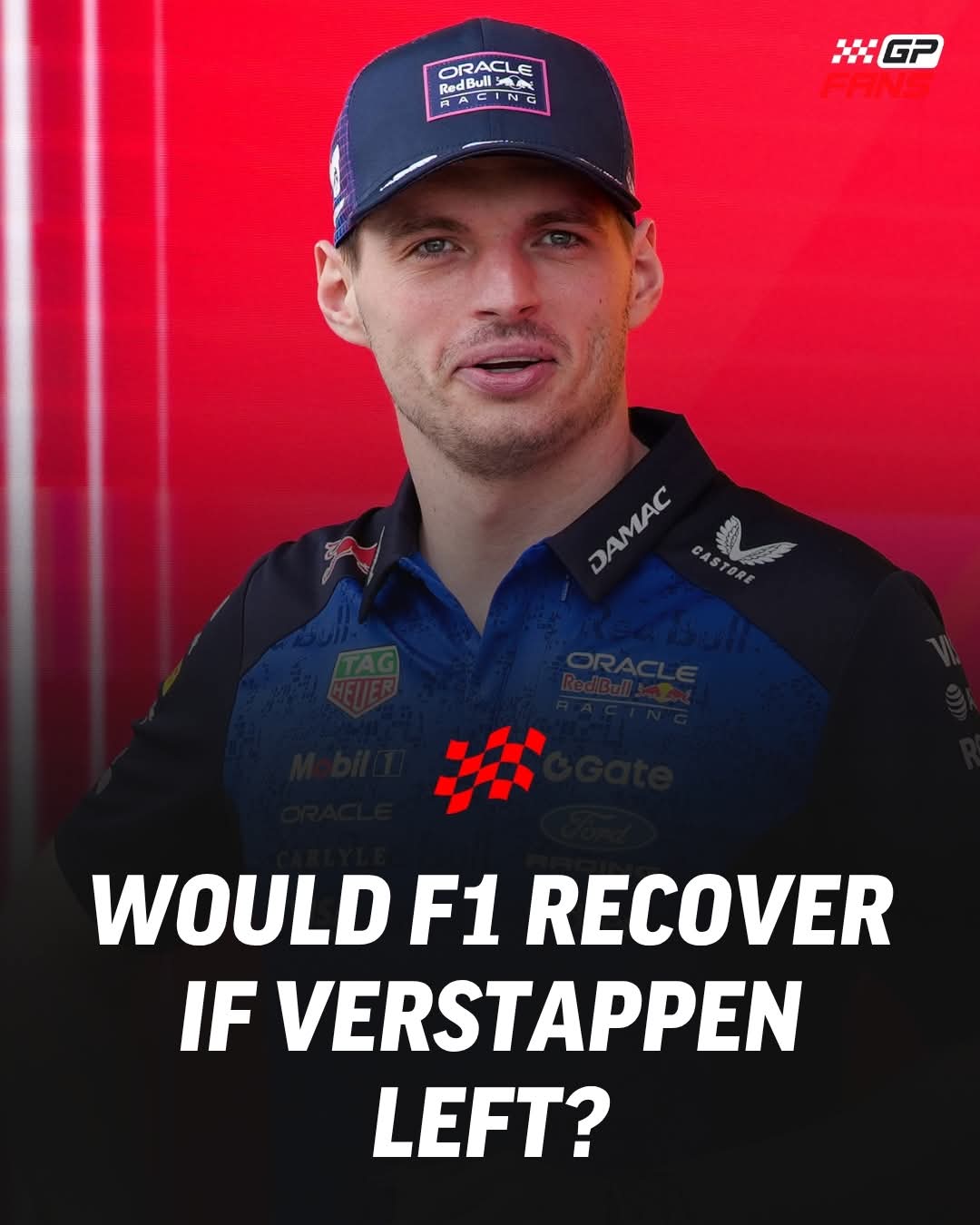
The tension surrounding the future of Max Verstappen in Formula 1 continues to escalate after FIA president Mohammed Ben Sulayem delivered one of the strongest statements yet regarding the four-time world champion’s place in the sport. With frustration growing over the controversial 2026 regulations, Verstappen’s repeated criticism of modern F1 has now sparked serious debate about whether the Dutch superstar could genuinely consider walking away earlier than expected.
The 2026 season has already become one of the most controversial eras Formula 1 has seen in years. The newly introduced regulations, heavily focused on electrical deployment and energy management, have divided the paddock. Drivers have openly criticized the current cars for creating unnatural racing situations, excessive energy harvesting, and reduced wheel-to-wheel battles. Verstappen has emerged as the loudest critic, comparing the current state of F1 to “Mario Kart” and describing the racing as less enjoyable than previous generations of cars.
Those comments have triggered concern not only within the FIA but across the wider Formula 1 community. Verstappen remains one of the biggest commercial and competitive figures in the sport, and the idea of him stepping away at just 28 years old would have been unimaginable only a year ago. However, after several public frustrations and difficult weekends adapting to the new regulations, speculation about his future has rapidly intensified. Although Red Bull showed signs of improvement during the Miami Grand Prix weekend, the broader concerns surrounding the direction of Formula 1 remain unresolved.
Speaking during the Miami Grand Prix weekend, Ben Sulayem addressed the growing retirement rumors directly and made it clear that Formula 1 would continue with or without its biggest stars. The FIA president admitted Verstappen would undoubtedly be missed if he chose to leave, but emphasized that no individual driver is bigger than the sport itself. His comments immediately sparked backlash online, with many fans arguing that losing a generational talent like Verstappen would damage Formula 1’s global appeal at a time when the championship is experiencing unprecedented growth.
From a competitive perspective, Verstappen’s frustration is understandable. The Dutchman built his dominance around aggressive racing, raw pace, and pushing cars to their absolute limit. The new era, however, has forced drivers into strategic energy conservation, lift-and-coast techniques, and complex deployment management that many believe reduce the spectacle. Several drivers, including Lewis Hamilton and Lando Norris, have also expressed concerns about the current direction of the sport, though none have been as outspoken as Verstappen.
Despite the controversy, Verstappen’s legacy in Formula 1 is already secured. With four consecutive world championships between 2021 and 2024, multiple all-time records, and a reputation as one of the most naturally gifted drivers the sport has ever seen, he has already cemented his place among Formula 1’s greatest competitors. Still, the possibility of an early retirement now raises serious concerns for Red Bull and the FIA alike, especially with veteran stars like Fernando Alonso and Hamilton also nearing the final stages of their careers.
There is also a growing belief inside the paddock that the FIA may eventually be forced to rethink portions of the current regulations if criticism continues. Recent discussions about reducing electrical deployment, increasing combustion engine emphasis, and even bringing back V8 engines in future seasons suggest the governing body is listening more carefully to the concerns raised by drivers and fans. In many ways, Verstappen’s aggressive criticism may already be influencing the future direction of Formula 1.
Looking ahead, the next few races could prove crucial not only for the championship battle but also for Verstappen’s mindset regarding his long-term future. If Red Bull continues improving and the FIA introduces additional regulation tweaks, tensions could calm down significantly. But if frustration keeps building and the racing product continues receiving criticism, speculation surrounding Verstappen’s future will only become louder.
For now, Formula 1 finds itself in a delicate position. The sport remains globally successful, commercially powerful, and more popular than ever. Yet when one of its biggest stars publicly questions the direction of the championship, it creates pressure that cannot simply be ignored. Whether Verstappen ultimately stays or walks away, one thing is becoming increasingly clear — the 2026 regulation era may define the future of Formula 1 more than anyone initially expected.