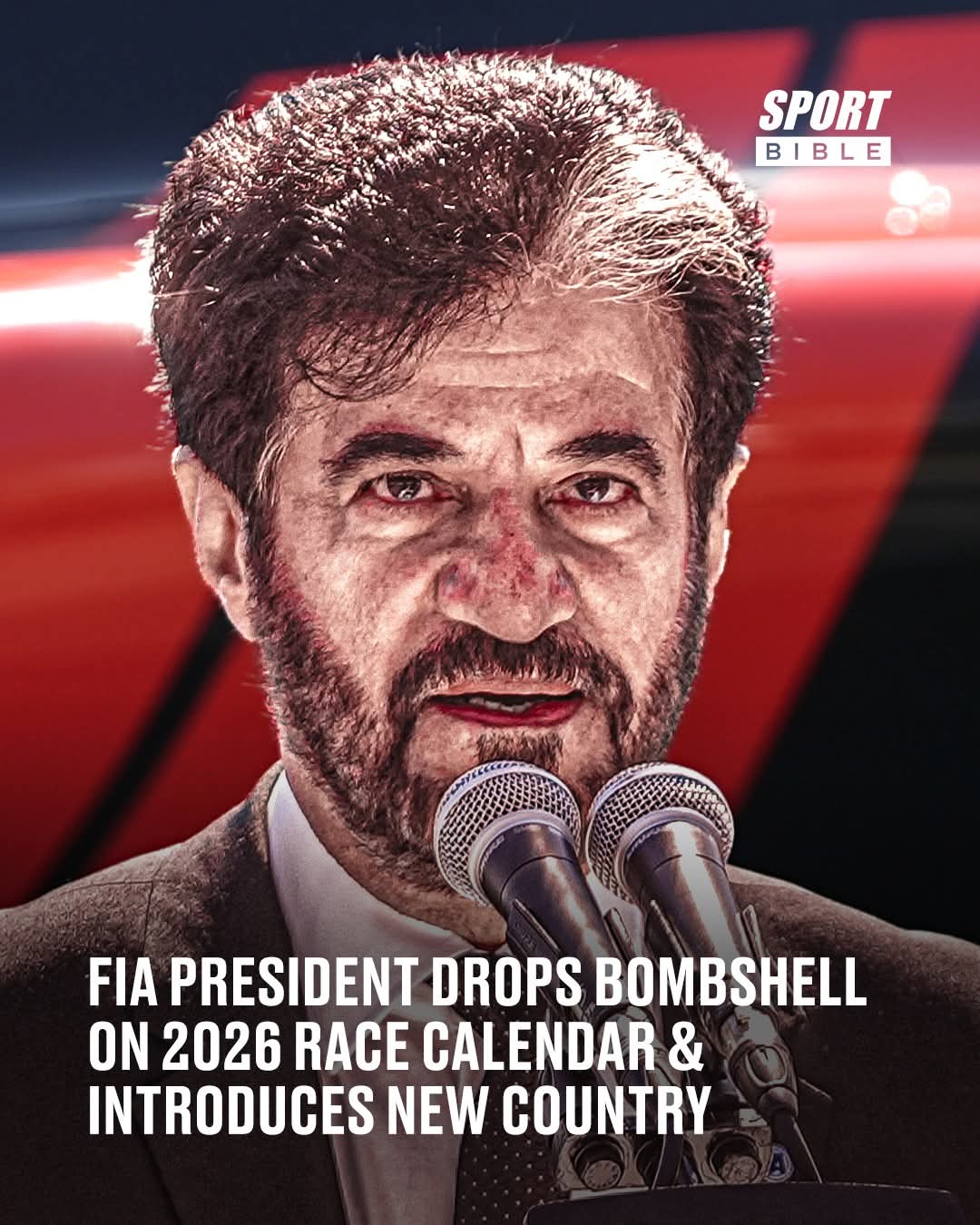
Formula 1 could be heading toward one of its most dramatic calendar shake-ups in years after FIA President Mohammed Ben Sulayem hinted that the Turkish Grand Prix may return sooner than expected amid growing uncertainty surrounding the 2026 season schedule.
The comments come at a tense moment for Formula 1, with the Bahrain and Saudi Arabian Grands Prix currently cancelled due to the ongoing geopolitical instability in the Middle East. What was originally planned as another packed 24-race calendar has already been reduced to 22 races, creating major logistical and commercial pressure behind the scenes.
Now, with concerns growing over whether Formula 1 can realistically reschedule both races later in the year, the FIA appears to be preparing contingency plans — and Turkey has suddenly emerged as the leading candidate.
Turkey Could Make Shock F1 Return Earlier Than Planned
Speaking after the Miami Grand Prix, Ben Sulayem openly suggested that the Turkish Grand Prix could be brought back into the calendar as early as 2026 if ongoing issues surrounding Bahrain and Saudi Arabia cannot be resolved.
Turkey has not hosted a Formula 1 race since 2021, when the iconic Istanbul Park circuit delivered one of the most memorable wet-weather races of the modern era. Since then, fans have consistently demanded its return due to the track’s technical layout, dramatic elevation changes, and strong racing quality.
According to reports, Formula 1 is considering a possible October slot between Azerbaijan and Singapore, although everything depends on scheduling flexibility, circuit homologation requirements, and broader security assessments.
Ben Sulayem emphasized that safety remains the FIA’s top priority, making it clear that motorsport will never come ahead of human lives.
His statement immediately triggered huge reactions throughout the paddock, especially because Formula 1 rarely discusses replacement venues publicly before negotiations are finalized.
Formula 1 Facing One of Its Biggest Scheduling Challenges
The 2026 season has already become one of the most unpredictable campaigns in recent memory. Alongside the controversial new engine regulations and growing criticism from drivers over racing quality, the calendar itself is now under enormous pressure.
Stefano Domenicali previously admitted that rescheduling both Middle Eastern races would be “extremely difficult” due to the already crowded calendar. Teams are also privately concerned about travel fatigue, freight logistics, and staff burnout if additional reshuffling occurs later in the season.
Adding Turkey back into the mix could solve several immediate problems for Formula 1. Istanbul Park already meets many FIA requirements, has recent F1 hosting experience, and sits in a strategic geographical location between European and Asian rounds.
From a sporting perspective, many fans would likely welcome the move enthusiastically. The Turkish circuit has historically produced chaotic races, overtaking opportunities, and unpredictable weather conditions — all things many believe modern Formula 1 desperately needs right now.
Why Turkey’s Return Could Be a Massive Win for Fans
The possibility of Turkey replacing cancelled races has already generated excitement across social media, particularly among long-time Formula 1 fans frustrated with some of the newer street circuits added to the calendar in recent years.
Istanbul Park remains highly respected among drivers because of legendary corners like Turn 8, a high-speed multi-apex challenge considered one of the greatest corners in world motorsport.
There is also a growing belief inside the Formula 1 community that the sport is slowly moving back toward traditional racing-focused venues after criticism surrounding modern race formats and entertainment-heavy weekends.
If Turkey returns successfully, it could strengthen its position for a permanent long-term comeback beyond 2026.
The FIA’s openness to discussing alternative venues publicly may also signal that Formula 1 leadership is becoming more flexible in how it handles future calendar disruptions.
Bigger Questions Still Surround Formula 1’s Future
Beyond the immediate calendar chaos, this situation highlights deeper concerns facing Formula 1 during the new regulatory era.
The 2026 season has already been overshadowed by criticism over energy deployment systems, inconsistent racing behavior, and complaints from top drivers including Max Verstappen, Lewis Hamilton, and Lando Norris.
At the same time, FIA leadership is balancing political uncertainty, sustainability goals, and increasing commercial expansion into new markets.
The Turkish Grand Prix discussion now represents more than just replacing races — it reflects Formula 1’s ongoing struggle to balance business, fan expectations, driver satisfaction, and global instability.
For now, no final decision has been confirmed. But one thing is clear: the 2026 Formula 1 season is becoming increasingly unpredictable both on and off the track.
And if Turkey does officially return, it could end up being one of the most popular additions the sport has made in years.