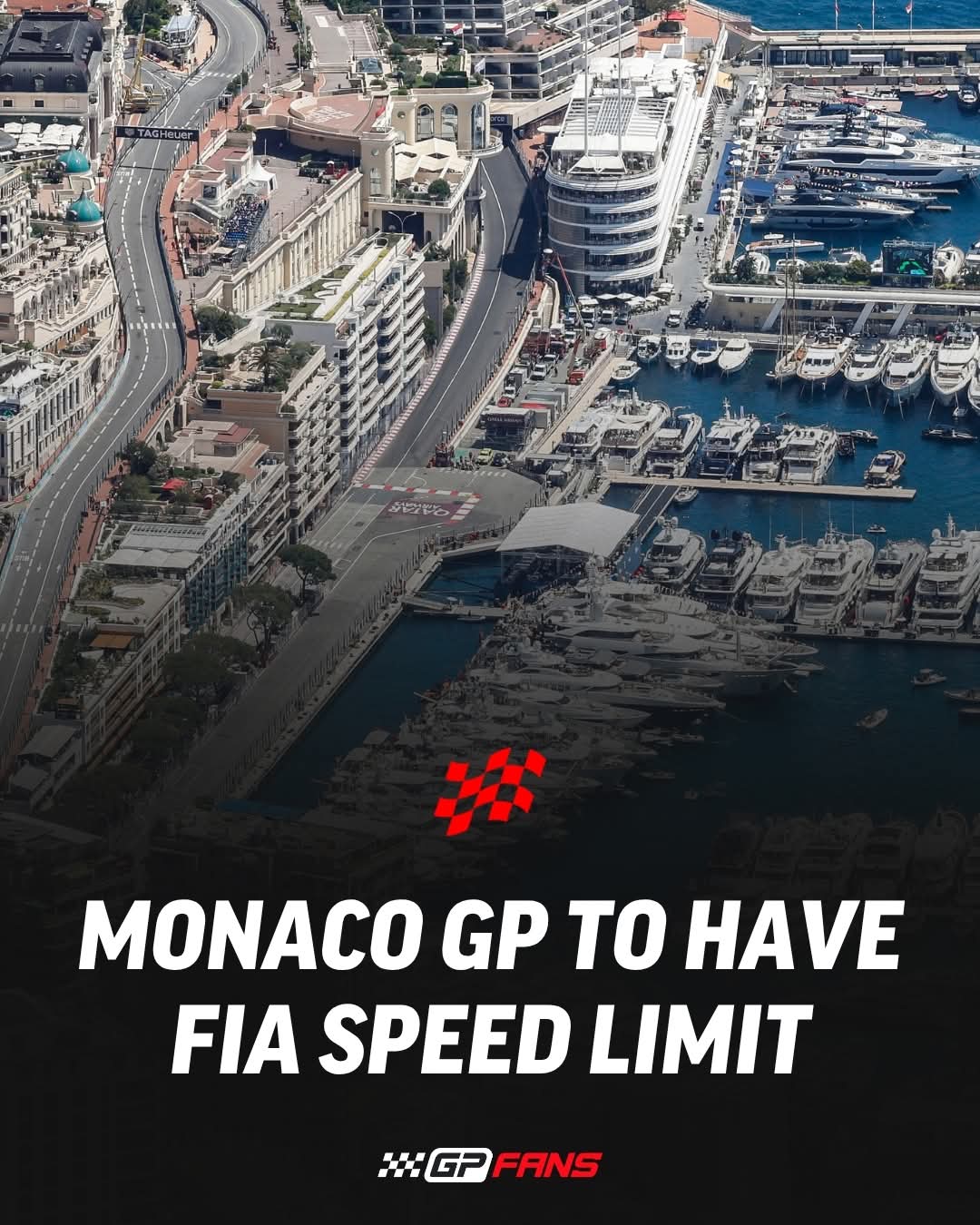
The FIA has confirmed another major rule adjustment ahead of the 2026 Monaco Grand Prix, introducing a unique speed-limiting measure that will prevent Formula 1 drivers from reaching the maximum velocities seen at other circuits this season.
The decision comes after officials had already banned the use of “straight mode” for Monaco, making the iconic race one of the most heavily modified events on the 2026 calendar. With Formula 1 entering a new era of regulations featuring smaller, lighter, and narrower cars, many expected the streets of Monte Carlo to provide the first true test of whether the redesigned machines could improve racing and overtaking at one of the sport’s most notoriously difficult venues.
Monaco has always been a unique challenge. Unlike modern circuits with wide run-off areas and multiple overtaking zones, the Principality demands absolute precision. Drivers race inches from barriers while navigating a relentless sequence of slow-speed corners and elevation changes. Even the smallest mistake can instantly end a driver’s weekend. That reality has forced the FIA to take a cautious approach as teams adapt to the new generation of Formula 1 machinery.
One of the biggest talking points surrounding the 2026 cars has been the revised power unit philosophy. The new regulations place greater emphasis on electrical deployment, energy harvesting, boost systems, and overtaking tools. Throughout the season, drivers have used battery-powered boosts strategically to maximize performance on long straights. However, Monaco presents a completely different challenge. The circuit’s layout allows drivers to harvest significant amounts of energy through repeated braking zones while offering relatively few opportunities to spend it.
As a result, teams were expected to arrive in Monaco with unusually high levels of available electrical energy throughout each lap. This created concerns among FIA officials that cars could reach excessive speeds in several key sections of the circuit, particularly on the start-finish straight, the uphill Beau Rivage section, and the famous tunnel. Each of these high-speed areas is immediately followed by heavy braking zones and tight corners, creating potential safety risks if top speeds become too extreme.
To address those concerns, the FIA has mandated a special engine mode specifically for the Monaco Grand Prix. Under the new directive, drivers will no longer be allowed to continue battery deployment once their cars reach 300 km/h. At every other circuit so far this season, electrical deployment remains available until approximately 350 km/h. The reduction represents a substantial limitation on overall straight-line performance and is designed to keep speeds under tighter control around the narrow streets of Monte Carlo.
The speed restriction follows another significant Monaco-specific change. Earlier this week, the FIA confirmed that the active aerodynamic “straight mode” introduced under the 2026 regulations will not be available during the Monaco Grand Prix weekend. The system, which allows front and rear wing elements to adjust for reduced drag and increased speed, has been ruled out due to safety concerns. Officials determined that Monaco’s unique layout does not provide suitable sections where the system can be used without increasing the risk of instability during braking and corner entry.
Together, these measures create a dramatically different technical environment compared to the opening races of the season. Teams will have to rethink energy management strategies, qualifying simulations, and race setups. Engineers who have spent months optimizing deployment patterns around faster circuits now face an entirely different challenge where conserving control may be more important than maximizing outright speed.
The changes could also have a significant impact on overtaking opportunities. While the FIA hopes the smaller cars will naturally race closer together, Monaco’s narrow layout remains a major obstacle. With straight mode unavailable and battery deployment restricted, drivers may find it even harder to create substantial speed advantages over rivals. This places even greater emphasis on qualifying performance, race strategy, and pit stop execution.
However, the introduction of overtake mode remains an important variable. Drivers will still have access to an additional deployment feature exiting the final corner and heading down the main straight. While not as powerful as straight mode, it could still provide opportunities into Sainte Devote, traditionally one of the few realistic overtaking spots around the circuit. Any driver hoping to make progress through the field will likely rely heavily on this system.
Looking ahead, Monaco could become one of the most fascinating races of the 2026 season. The combination of new cars, revised power unit regulations, restricted aerodynamic tools, and FIA-imposed speed limits creates a scenario that Formula 1 has never experienced before. While some fans may worry that the restrictions could reduce overtaking opportunities, others argue that safety must remain the priority on a circuit where margins are virtually nonexistent.
Ultimately, the Monaco Grand Prix remains Formula 1’s most iconic challenge. The FIA’s latest intervention highlights just how unique the circuit continues to be, even in a rapidly evolving technological era. Whether these changes improve the spectacle or simply reinforce Monaco’s reputation as a qualifying-focused race weekend will become clear when the lights go out on race day. One thing is certain: teams and drivers will face a very different Monaco than any seen in recent years.