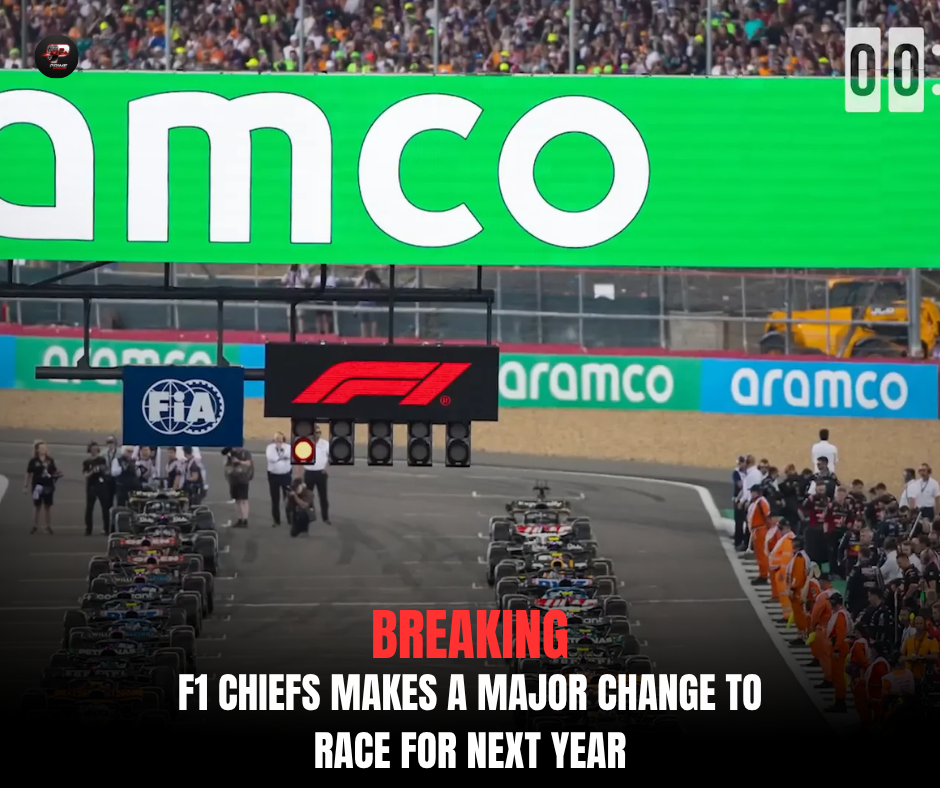
The future of Formula 1 could be heading toward another dramatic transformation after FIA officials and team principals reportedly discussed the possibility of shortening selected races as part of a wider compromise surrounding the sport’s controversial 2027 power unit regulations.
With the 2026 season already delivering intense political tension, technical disputes, and growing frustration over recent regulation changes, discussions inside the paddock have now shifted toward a proposal that could fundamentally alter the traditional structure of Grand Prix weekends. According to senior figures within the sport, shorter races are being considered as a practical solution to ongoing concerns about chassis limitations, engine demands, and escalating development costs.
The debate comes at a critical moment for Formula 1, with manufacturers already investing heavily into next-generation power units while simultaneously preparing for a new era of car design.
FIA Facing Pressure Over New Engine Regulations
The FIA introduced significant technical changes earlier this season, beginning with updates that debuted during the Miami Grand Prix weekend. However, despite those adjustments, several unresolved concerns remain inside the paddock.
At the center of the controversy is the sport’s future power unit philosophy. Formula 1 has been attempting to balance traditional combustion engine performance with increased electrical energy deployment in an effort to satisfy manufacturers, environmental targets, and competitive fairness.
Initially, the proposed engine balance relied heavily on a 50/50 split between combustion and electric power. But teams reportedly raised concerns about drivability, battery deployment issues, and reliability limitations. Discussions have since moved toward a revised 60/40 split favoring combustion power.
While that change appears to have gained some support among team principals, the hardware modifications required to implement the new system have opened another expensive and politically sensitive battle.
Industry insiders estimate that adapting existing systems to the revised regulations could cost teams an additional $10 million or more — a substantial figure even under Formula 1’s cost cap era.
Why Formula 1 Could Shorten Certain Races
The idea of reducing race distance may sound radical to longtime fans, but team bosses see it as a potential compromise that would help manage technical limitations tied to the new regulations.
Racing Bulls team principal Alan Permane revealed that discussions have already taken place among senior figures regarding the possibility of trimming selected races by one or two laps if necessary.
The reasoning is largely technical.
Some teams may choose to carry over portions of their current chassis designs into the next rules cycle to save money and development resources. However, those designs may not comfortably sustain the traditional 305-to-310-kilometer race distances under the new engine configurations.
Rather than forcing every team into expensive redesign programs, Formula 1 could instead slightly reduce race lengths at circuits where fuel loads, energy recovery demands, or battery performance create excessive strain.
According to Permane, the proposal would only apply “where absolutely necessary,” suggesting the FIA wants to preserve the traditional race format whenever possible.
Still, even a minor reduction would represent a symbolic shift for a sport built on historical consistency.
The Real Problem Behind the FIA Discussions
Although official conversations focus on race distance and energy distribution, the deeper issue is Formula 1’s growing identity crisis between entertainment, sustainability, and pure competition.
Modern F1 cars are among the most technologically advanced machines in motorsport history. However, increasing reliance on hybrid systems has made development extraordinarily expensive and technically complicated.
Manufacturers such as Ferrari, Audi, and Honda are reportedly cautious about approving further hardware changes because of the financial and engineering consequences involved.
Without broad support from manufacturers, the FIA may struggle to secure the supermajority needed to fast-track regulation updates.
That political reality has forced governing officials into compromise mode.
Rather than aggressively imposing technical redesigns, shortening certain races could provide breathing room for teams while still allowing the FIA to push forward with its revised engine vision.
Could Shorter Races Improve Formula 1?
The possibility of shorter Grands Prix has already sparked major debate among fans and analysts.
Supporters of the idea argue that modern audiences increasingly favor faster-paced sporting events. Shorter races could potentially create more aggressive strategies, higher tire degradation intensity, and fewer moments where teams simply manage pace to protect components.
Some experts believe slightly reduced race distances could actually improve entertainment value, particularly at circuits where overtaking opportunities are limited.
There is also growing recognition that Formula 1’s calendar has become physically and logistically exhausting. With more than 24 races scheduled in some seasons, reducing overall race demands could help teams manage personnel fatigue and equipment reliability more effectively.
However, traditionalists strongly oppose the concept.
For decades, Grand Prix racing has been defined by endurance, precision, and strategic depth. Critics argue that reducing race lengths risks pushing Formula 1 closer to a sprint-race culture that sacrifices tactical complexity for television-friendly pacing.
Many longtime fans also fear that once the sport begins shortening races, it could eventually lead to even more drastic format experiments in the future.
Canadian Grand Prix Talks Highlight Growing Urgency
The discussions reportedly intensified during meetings surrounding the Canadian Grand Prix weekend, where team principals and FIA representatives continued negotiations over how to implement the 60/40 engine split.
What makes the situation more urgent is timing.
Teams are already deeply involved in designing their 2027 cars. Aerodynamic concepts, cooling systems, battery packaging, and chassis architecture are all being developed right now. Delays in finalizing engine rules could force teams into expensive redesign cycles later in the process.
That pressure explains why compromise solutions — including shorter races — are suddenly being treated as realistic options rather than theoretical ideas.
Drivers Could Face a Completely Different Racing Style
If race distances are reduced, the impact on driving strategy could be enormous.
Current Formula 1 races often involve long-term tire management, fuel conservation, and energy harvesting calculations. Drivers spend large portions of races balancing aggression against preservation.
A shorter race format would likely encourage far more aggressive driving from start to finish.
Teams could prioritize outright pace over endurance management. Drivers might push tires harder, attack more aggressively in wheel-to-wheel battles, and rely less on conservative energy deployment strategies.
For younger drivers such as Oscar Piastri and Kimi Antonelli, the change could suit their naturally aggressive racing styles.
Meanwhile, experienced strategists and tire-management specialists may lose some of the advantages they currently possess over a full Grand Prix distance.
Financial Implications Could Reshape the Grid
Beyond performance concerns, the financial implications of the proposed changes are massive.
Formula 1 teams are already spending heavily to prepare for the next engine era while staying within strict cost-cap regulations. Every additional hardware modification places pressure on smaller teams that lack the financial flexibility of major manufacturers.
Reducing race demands could potentially lower reliability risks and help contain spiraling development costs.
But there is also concern that constant rule adjustments create instability for sponsors and investors. Major automotive brands prefer long-term technical clarity when committing hundreds of millions of dollars to motorsport programs.
If the FIA appears uncertain about its direction, it could complicate future negotiations with manufacturers and commercial partners.
Formula 1 Entering Another Defining Era
The current discussions reveal how rapidly Formula 1 is evolving behind the scenes.
The sport is no longer simply balancing speed and engineering. It is now juggling sustainability targets, entertainment expectations, manufacturer politics, cost-control measures, and fan engagement simultaneously.
The proposal to shorten races may only involve one or two laps initially, but symbolically it represents something much larger: Formula 1’s willingness to reconsider traditions that once seemed untouchable.
Whether fans embrace the idea or reject it entirely, the coming months could shape the competitive structure of Formula 1 for years to come.
As negotiations continue between the FIA, manufacturers, and team principals, one thing is becoming increasingly clear — the battle over the future of Formula 1 is only just beginning.