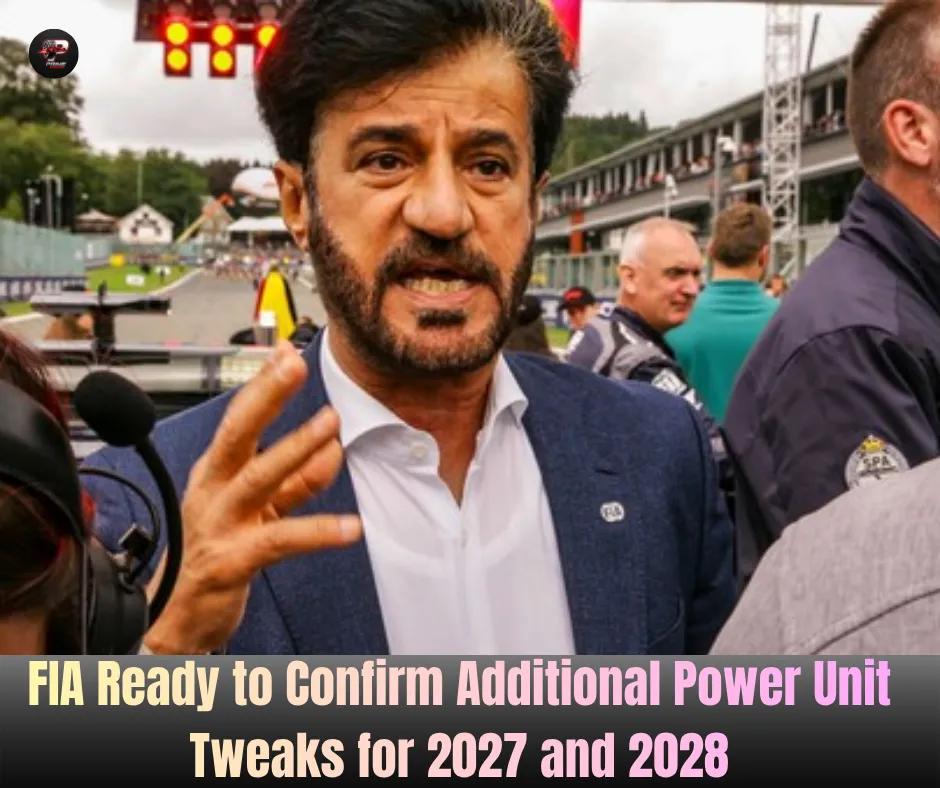
Formula One is preparing for another major technical evolution as discussions intensify over further power unit tweaks planned for the 2027 and 2028 seasons. Following the Miami Grand Prix, where Formula 1 trialed the first round of adjustments to the controversial 2026 regulations, the FIA, teams, and power unit manufacturers are now pushing toward broader long-term changes aimed at improving racing quality, reliability, and overall driver satisfaction.
The current generation of Formula 1 cars has faced heavy criticism since the beginning of the 2026 season, particularly regarding energy deployment inconsistencies and the balance between electric and combustion power. Several drivers, including Max Verstappen, have openly questioned the effectiveness of the regulations, with Verstappen famously describing the current racing style as feeling like “Mario Kart.” While the Miami tweaks were seen as a step in the right direction, many inside the paddock believe the changes barely scratched the surface of the deeper issues affecting the sport.
According to reports emerging from the FIA’s latest online meetings involving teams and manufacturers, Formula 1 is now considering more extensive modifications for 2027 and 2028. These discussions reportedly include increasing fuel flow, introducing larger battery systems, and reducing overall downforce levels to improve racing dynamics. The aim is to create cars that are not only faster and more entertaining but also easier for drivers to push consistently without the awkward energy-saving phases currently dominating races.
One of the biggest concerns surrounding the current power units is the imbalance between energy harvesting and deployment. Teams have struggled to maintain consistent battery performance across an entire lap, creating situations where drivers suddenly lose pace on straights or are forced into aggressive energy-saving strategies. McLaren boss Andrea Stella acknowledged that while short-term tweaks helped in Miami, deeper hardware changes are necessary if Formula 1 wants to maximize the potential of the new era.
The proposed increase in fuel flow could significantly alter the performance characteristics of future cars. More fuel flow would allow internal combustion engines to produce stronger and more consistent power delivery, reducing reliance on electrical deployment during critical racing moments. However, such a move would also require larger fuel tanks and potentially redesigned chassis, meaning teams would need significant lead time to prepare. This is why many insiders believe 2028 is a more realistic timeline for the most dramatic changes.
Another major talking point is battery size. Current systems have been criticized for not storing enough deployable energy to maintain competitive racing throughout an entire Grand Prix. Increasing battery capacity could allow drivers to attack more frequently instead of constantly managing deployment levels. Combined with potential reductions in aerodynamic downforce, Formula 1 could eventually return to a more aggressive and unpredictable style of racing that many fans believe has been missing in recent years.
The ongoing discussions also highlight growing tensions between the FIA and power unit manufacturers. While manufacturers remain cautious about expensive hardware redesigns, the FIA appears increasingly determined to reshape the regulations to preserve the entertainment factor of the sport. FIA President Mohammed Ben Sulayem has already hinted at broader long-term plans for Formula 1’s engine future, including the possibility of returning to V8 engines later in the decade.
For teams like Ferrari, Mercedes, and Red Bull, the coming months could be crucial in determining competitive direction for years to come. Some teams have adapted better to the 2026 regulations than others, and any major changes to power delivery or battery systems could completely reshape the competitive order. Drivers such as Lewis Hamilton and Verstappen have already expressed frustrations with the current racing product, making these upcoming meetings even more significant for the sport’s future.
While the Miami tweaks offered a glimpse of improvement, Formula 1’s leadership now faces the challenge of balancing sustainability, manufacturer interests, performance, and entertainment. The outcome of these discussions could define the next era of the sport and determine whether Formula 1 can successfully satisfy both modern technological ambitions and the traditional racing spectacle fans continue to demand.