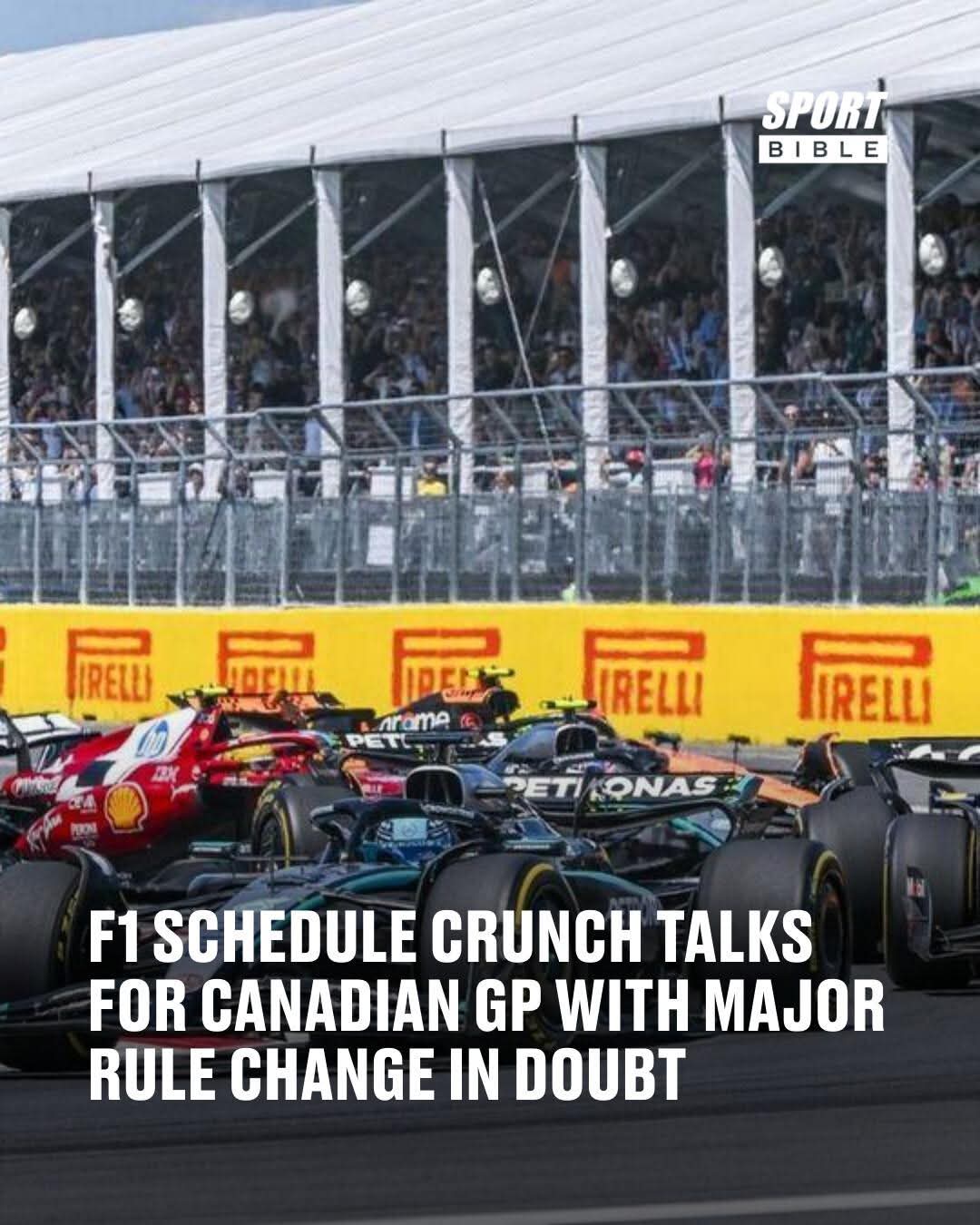
Formula 1 may be heading toward another major political battle, as discussions surrounding potential 2027 regulation changes are becoming increasingly complicated ahead of the Canadian Grand Prix. What initially appeared to be a straightforward adjustment to the sport’s controversial power-unit formula is now facing serious resistance from several manufacturers. While many drivers and fans expected sweeping revisions after criticism of the new era of racing, fresh reports suggest that not everyone in the paddock agrees on the direction Formula 1 should take.
The sport entered a new technical chapter with its revised hybrid systems, placing a stronger emphasis on electrical power and energy deployment. The objective was understandable: improve sustainability, increase technological innovation, and align Formula 1 with the future of automotive development. However, the practical outcome has generated mixed reactions. While the technology itself remains impressive, several drivers have expressed concerns that racing has become increasingly dictated by energy management rather than pure wheel-to-wheel competition.
The criticism became difficult to ignore after some of the sport’s biggest names publicly voiced their frustrations. Max Verstappen notably compared the new experience to “Mario Kart,” while drivers including Lando Norris and Charles Leclerc also highlighted concerns regarding race quality and overtaking opportunities. Instead of aggressive battles developing naturally over race distance, several events have evolved into strategic games where battery management determines how aggressively drivers can attack.
Following meetings during the Miami Grand Prix weekend, discussions intensified around changing the combustion-to-electric power balance from an even 50/50 split to a proposed 60/40 ratio favoring traditional engine output. The purpose behind the adjustment was clear: reduce excessive reliance on battery deployment and return greater control to drivers. There were also concerns about the long-term safety implications of cars behaving unpredictably as electrical power availability fluctuates during racing situations.
However, implementing such changes is proving far more difficult than anticipated. Reports indicate manufacturers would face costs approaching $10 million to redesign and adapt existing development programs. For teams already heavily invested in current concepts, such a financial burden creates understandable resistance. Audi, preparing for its full Formula 1 arrival, reportedly favors stability after committing major resources toward current development plans. Ferrari also appears cautious, with concerns that significant regulation shifts could undermine competitive balancing mechanisms designed to help teams recover lost ground.
Interestingly, Red Bull and Mercedes are believed to be more open to immediate changes despite potential risks to their own competitiveness. That position reveals an important reality within Formula 1: technical decisions rarely revolve around performance alone. Teams must balance competitiveness, cost, future planning, and long-term manufacturer interests. What appears beneficial from a sporting perspective may create major complications from an engineering and business standpoint.
From an analytical perspective, Formula 1 now finds itself in a familiar situation. Throughout its history, the sport has often struggled to balance innovation with entertainment. Excessive focus on technological complexity occasionally creates cars that are engineering masterpieces but reduce the spectacle fans expect. If overtaking becomes increasingly dependent on battery calculations rather than driver instinct and racing skill, criticism will continue growing. Finding the right equilibrium may determine whether this generation of regulations becomes remembered as revolutionary or problematic.
Looking ahead, the Canadian Grand Prix discussions could become one of the most important meetings of the season. Even if immediate changes are rejected, the pressure from drivers, fans, and sections of the paddock is unlikely to disappear. Formula 1 president Mohammed Ben Sulayem has already confirmed a future shift toward V8 engines around 2031, signaling that the sport is prepared for significant evolution. Until then, the battle over regulations may become as intense as the championship fight itself, because the outcome could shape the competitive landscape of Formula 1 for years to come.