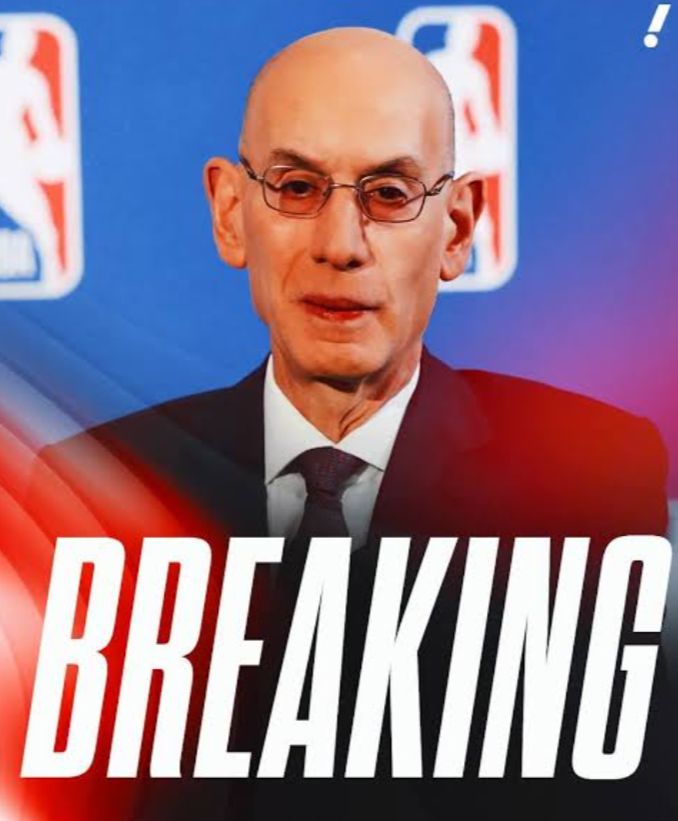
NBA Commissioner Adam Silver is preparing to take a more direct role in addressing mounting concerns surrounding transgender athlete policies and related cultural flashpoints in the WNBA, according to league sources familiar with internal discussions.
The issue has escalated in recent weeks after Indiana Fever guard Sophie Cunningham publicly supported restrictions on transgender girls and women competing in female sports categories. In comments to ESPN, Cunningham emphasized protecting young female athletes in locker rooms and competition from what she described as biological males, while rejecting accusations of hatred. Her remarks drew both strong support and sharp backlash, including boos at games, small rallies outside arenas, and public pushback from figures such as Minnesota Lynx coach Cheryl Reeve, who defended inclusion and criticized narratives framing transgender athletes as the primary problem in women’s sports.
No publicly known transgender woman has competed in the WNBA. The league’s 2026 collective bargaining agreement states that only players who are women are eligible, yet it offers no detailed definition or publicly available policy on transgender or intersex eligibility. The WNBA has not clarified its stance despite repeated inquiries. Meanwhile, players and coaches remain divided, with some advocating strict biological-sex-based categories and others prioritizing inclusion.
Silver, whose NBA oversees the WNBA through shared ownership and governance structures, has previously intervened in high-profile WNBA matters, including discussions around player discipline and commissioner Cathy Engelbert’s leadership. Sources indicate he views the transgender eligibility debate as a growing reputational and competitive risk that could affect the league’s rapid growth, television deals, and fan engagement amid broader national polarization. He is expected to push for clearer, science-informed eligibility standards that prioritize fairness in women’s competition while maintaining the league’s broader commitments to respect and dignity.
The timing is delicate. The WNBA is enjoying unprecedented visibility driven by stars like Caitlin Clark, yet it continues to navigate cultural battles that risk overshadowing on-court product. Silver’s potential deeper involvement signals that league leadership believes the current ambiguity is unsustainable. Any formal policy review would likely involve medical experts, player representatives, and ownership, with an emphasis on competitive integrity.
Observers note that Silver has historically favored pragmatic, evidence-based approaches over purely ideological ones. Whether his increased oversight produces a definitive eligibility framework or simply forces clearer communication remains to be seen, but the commissioner appears determined to prevent the controversy from further distracting from the WNBA’s athletic achievements.