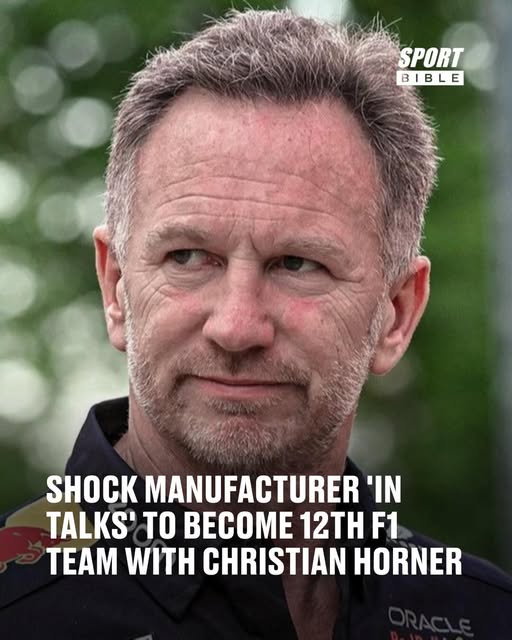
Former Red Bull boss Christian Horner could be preparing for one of the most surprising comebacks in modern Formula 1 history after reports emerged linking him to a potential new team backed by Chinese automotive giant BYD. The shocking development comes less than a year after Horner’s dramatic departure from Red Bull and could pave the way for Formula 1 to expand to a 12-team grid for the first time in decades.
Horner’s exit from Red Bull in 2025 marked the end of one of the most successful leadership eras the sport has ever seen. During his two decades in charge, the British team secured eight drivers’ championships and six constructors’ titles while transforming into one of Formula 1’s dominant forces. However, a turbulent final 18 months — involving declining performances, uncertainty surrounding Max Verstappen’s future, and allegations of inappropriate behaviour from a female employee — ultimately brought his time at Red Bull to an abrupt end.
Despite the controversy surrounding his departure, Horner has remained one of the most respected and influential figures in the paddock. His non-compete clause officially expired earlier this month, immediately triggering speculation about a return to Formula 1. Teams including Aston Martin, Alpine, and Audi were all rumoured to be monitoring his situation, but few expected his next move could involve launching an entirely new project rather than joining an established team.
The biggest surprise in the reports is the involvement of Chinese manufacturer BYD, one of the world’s fastest-growing automotive companies and a major force in the electric vehicle market. BYD vice-president Stella Li recently confirmed the company has held discussions with Formula 1 CEO Stefano Domenicali regarding a possible entry into the sport. Her comments highlighted Formula 1’s growing commercial appeal globally, particularly in Asia where the championship continues expanding its audience and manufacturer interest.
According to reports, Horner has already held multiple meetings with Li in France as discussions surrounding a potential F1 entry intensify. Those talks are believed to have left BYD executives “very excited” about the possibility of entering Formula 1 under Horner’s leadership. If true, it would instantly become one of the most ambitious and politically significant projects in the sport’s modern era, combining one of F1’s most successful team principals with one of the world’s largest automotive brands.
The timing also makes strategic sense for Formula 1. Cadillac is already preparing to become the sport’s 11th team in 2026, and Formula One Management has shown increasing openness toward expanding the grid if financially sustainable manufacturers are involved. BYD’s enormous global reach, technological resources, and aggressive international growth strategy could make the company an attractive long-term addition as Formula 1 continues targeting younger and more diverse global audiences.
Industry experts believe a BYD-backed Formula 1 team would likely focus heavily on advanced hybrid technology, sustainability innovation, and expanding F1’s presence in China — one of the world’s most valuable untapped motorsport markets. Formula 1 has long sought deeper penetration in the region, and a successful Chinese-backed team could dramatically increase commercial opportunities, sponsorship deals, and fan engagement across Asia.
FIA president Mohammed Ben Sulayem’s recent comments about Horner have only intensified speculation. Sulayem openly admitted the sport “misses” Horner and suggested someone with his experience would inevitably find a way back into Formula 1. While Horner remains a divisive figure in some areas of the paddock, there is little doubt his leadership record speaks for itself. Building championship-winning teams, managing superstar drivers, and navigating political battles are all skills few executives possess at his level.
At this stage, no official confirmation has been made regarding BYD’s entry or Horner’s involvement, but the rumours alone have already sent shockwaves through Formula 1. If the project moves forward, it could reshape the competitive and commercial landscape of the sport over the next decade. For Horner, it may also offer the ultimate opportunity for redemption — returning not as the boss of an established powerhouse, but as the architect of Formula 1’s next ambitious era.