The 2026 Canadian Grand Prix delivered exactly what Formula 1 has desperately needed: unpredictability, genuine wheel-to-wheel action, emotional tension, and the emergence of a rivalry that could define the remainder of the season. While race weekends often revolve around strategy charts and calculated outcomes, Montreal felt different. It felt chaotic, intense, and deeply personal.
What unfolded in Canada was not simply another race weekend. It may ultimately be remembered as the point where Mercedes transformed from a united championship contender into a team managing internal pressure between two drivers with very different trajectories. George Russell arrived needing a statement performance, while Andrea Kimi Antonelli arrived already carrying momentum and confidence. By the time the weekend ended, the storyline had become impossible to ignore.
George Russell vs Kimi Antonelli Could Become Formula 1’s Defining Rivalry
Russell entered Canada under pressure. Consecutive defeats against Antonelli had begun raising uncomfortable questions regarding the balance of power inside Mercedes. A strong response was required, and initially he delivered it.
The British driver secured Sprint pole position and converted it into victory. Beyond the points gained, the psychological impact may have mattered even more. Russell appeared determined to reassert himself as the established leader within the team. His approach throughout the weekend reflected a driver unwilling to surrender authority.
His racing style was notably aggressive. Every move seemed calculated to remind both Antonelli and the paddock that he remains one of Formula 1’s elite talents. That mindset is not unusual among champions. Historically, the sport’s greatest drivers have built reputations around ruthless competitiveness.
Names like Michael Schumacher, Lewis Hamilton, Max Verstappen, and Ayrton Senna were never known for stepping aside. They forced rivals into uncomfortable situations and embraced confrontation when necessary. Russell’s approach in Canada carried similar characteristics.
However, the challenge for Mercedes is that Antonelli refused to be intimidated.
Antonelli’s Growth Could Change the Championship Fight
If Saturday exposed Antonelli’s relative inexperience, Sunday highlighted his remarkable growth. During the Sprint battle, frustration and youthful impatience briefly appeared to affect him. Mistakes followed and momentum disappeared.
By race day, however, the Italian teenager looked transformed.
He was calmer, more measured, and significantly more threatening. He applied pressure without panic and showed maturity beyond his years. That evolution during a single weekend may become one of the defining moments of his season.
Perhaps the most concerning development for Russell is that Antonelli still remains far from the finished product.
Drivers usually require several seasons before reaching complete consistency and race intelligence. Antonelli is challenging for victories and championships while still learning at the highest level. That reality changes Mercedes’ internal dynamic entirely.
If Antonelli continues improving at this rate, Mercedes may eventually face a difficult question: who becomes the team’s primary championship asset?
Mercedes Could Be Walking Into a Difficult Situation
Team principal Toto Wolff deserves credit for allowing both drivers to race naturally rather than imposing strict internal restrictions.
Fans have repeatedly criticized situations where teams prioritize control over competition. Formula 1 loses drama when drivers are managed too heavily.
Last season, many observers believed carefully controlled racing situations reduced the excitement surrounding title battles. This year, Mercedes appears determined to avoid that scenario.
Yet allowing unrestricted competition creates significant risks.
History repeatedly shows that teammate rivalries can damage even the strongest teams. Formula 1 has witnessed major internal conflicts affecting championship campaigns, creating divisions inside garages and forcing management into impossible situations.
Mercedes may currently be enjoying healthy competition, but if championship pressure intensifies, emotions could escalate rapidly.
Canada may have planted the first seeds.
Formula 1’s New Regulations Delivered Unexpected Benefits
Away from Mercedes, another major talking point emerged from Montreal: the quality of racing itself.
The 2026 regulations have generated criticism in several areas, particularly regarding power unit concerns. However, Canada presented evidence that the chassis side of the new rules may be achieving positive results.
Drivers were able to follow each other closely. Battles developed naturally. Overtaking felt earned rather than artificially created.
Most importantly, mistakes became a major factor.
George Russell ran wide multiple times while fighting Antonelli. Charles Leclerc struggled for grip. Oscar Piastri made contact with Alex Albon. Drivers across the field constantly fought changing conditions and unstable behavior from their cars.
Ironically, imperfection created entertainment.
Modern Formula 1 often becomes excessively optimized. Teams possess enormous amounts of data, simulations, and predictive tools that minimize uncertainty. Canada demonstrated how valuable unpredictability can be.
Human error remains one of sport’s most compelling ingredients.
Did Coverage Overshadow Antonelli’s Achievement?
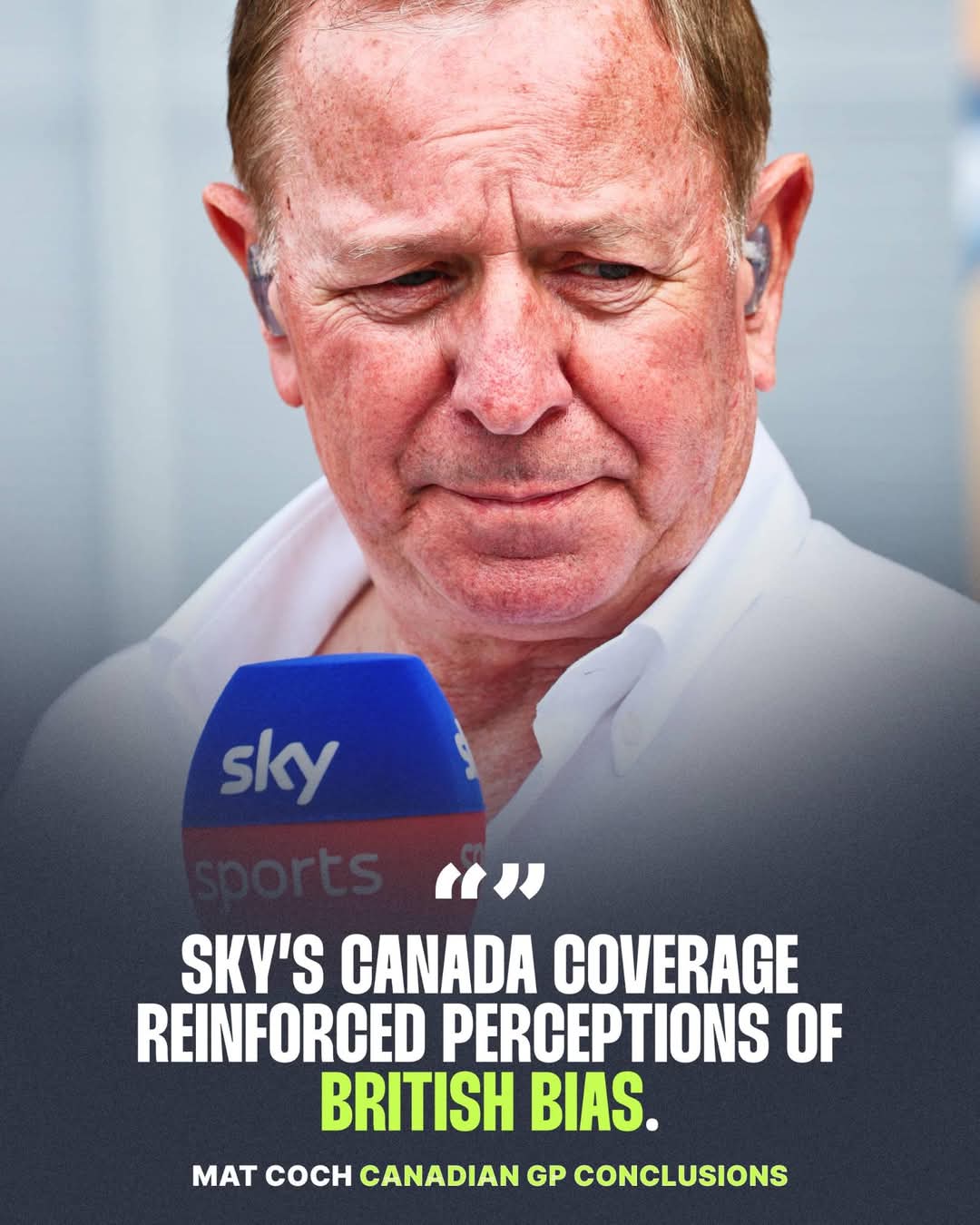
Another conversation that emerged involved television coverage and perceptions of bias.
Antonelli secured a fourth consecutive victory and strengthened his championship position, yet much of the narrative surrounding the weekend focused heavily on Russell.
The attention given to Russell’s title credentials sparked debate among viewers, particularly during several controversial racing moments involving both Mercedes drivers.
Critics argued that Antonelli’s achievements deserved greater emphasis given his remarkable consistency and growth. Supporters of the broadcast may counter that Russell’s storylines naturally attracted attention because of his experience and status.
Regardless of perspective, the discussion reflects Formula 1’s increasingly global audience. Coverage today reaches millions of viewers worldwide, and expectations regarding neutrality continue growing.
Predictions: What Happens Next?
Canada may become a turning point for multiple reasons.
Russell appears ready to fight aggressively for his first world championship, but Antonelli looks increasingly comfortable carrying the pressure of leading a title campaign.
If current trends continue, several outcomes seem possible:
Antonelli strengthens his championship lead and gradually becomes Mercedes’ central project.
Russell responds aggressively and turns the rivalry into a season-long battle.
Mercedes faces increasing pressure managing internal competition.
The rivalry evolves into Formula 1’s biggest storyline of 2026.
One thing appears increasingly clear after Canada.
Mercedes no longer simply has two drivers sharing a garage.
They may have two drivers fighting for control of the future.