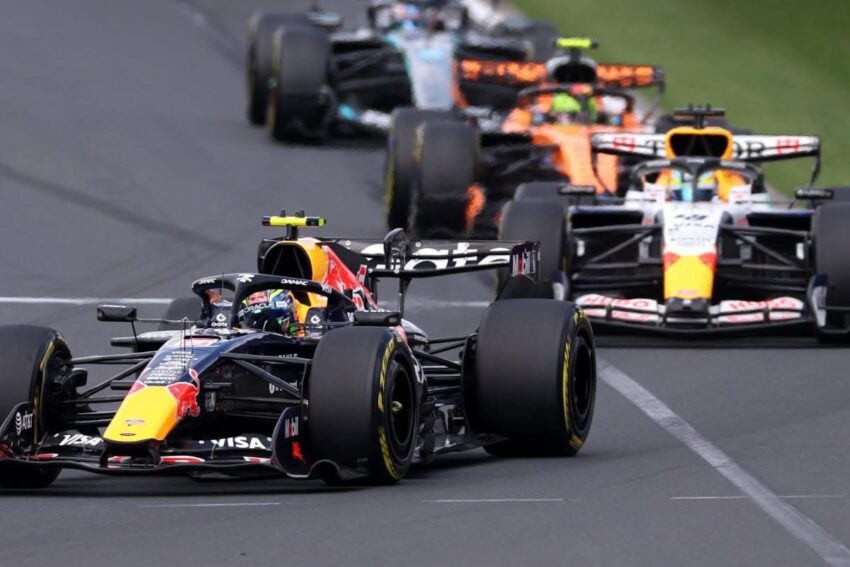
Formula 1 chief Zak Brown has revealed that discussions were held during the latest Concorde Agreement negotiations about whether Red Bull should be required to sell its sister team, Racing Bulls.
Red Bull have been part of Formula 1 since 2005 and expanded their presence by purchasing the former Minardi team for the 2006 season. That team was first renamed Toro Rosso, later became AlphaTauri, then Visa Cash App RB, and is now known simply as Racing Bulls. Based in Faenza, Italy, the team has long operated as Red Bull’s junior squad, helping develop young drivers before they move to the senior Red Bull Racing outfit.
Over the years, Racing Bulls have played an important strategic role for Red Bull, not only in developing talent such as Max Verstappen and other drivers, but also at times influencing championship battles on track.
One notable example came during the 2024 Singapore Grand Prix when Daniel Ricciardo claimed the fastest lap point, taking it away from McLaren and indirectly helping Verstappen in his title fight. The move caused frustration within McLaren, with Brown openly criticizing the advantage of one F1 owner controlling two teams on the grid.
Brown has been one of the strongest voices against the concept of “B-teams” in Formula 1. He believes the sport should avoid situations where one organization can gain a competitive advantage through close ties with another team. His concerns have also extended beyond Red Bull, particularly with reports suggesting Mercedes-AMG Petronas Formula One Team could strengthen links with BWT Alpine F1 Team through a potential investment connected to Alpine’s ownership structure.
Speaking about the latest Concorde Agreement talks, Brown confirmed that one proposal discussed involved forcing Red Bull to separate completely from Racing Bulls by selling the team. While no final decision was made, the fact the topic was raised shows that several teams are paying closer attention to competitive fairness and ownership structures within the paddock.
The Concorde Agreement is the key commercial contract that governs Formula 1, involving the FIA, Formula One Management, and all competing teams. It covers major issues such as revenue distribution, governance, and team commitments. Any proposal involving ownership restrictions would have major consequences for the future shape of the grid.
For Red Bull, losing Racing Bulls would represent a huge shift in strategy. The junior team has been central to their driver development system for nearly two decades, producing talents and offering a platform for future stars before promotion to the senior team.
Although there is no confirmation that a sale will happen, Brown’s comments suggest the debate is far from over. With Formula 1 continuing to grow and competition becoming more intense, pressure is building to ensure every team operates on equal terms.
For now, Red Bull remain in control of both teams, but the conversation around Racing Bulls’ future is clearly gaining momentum behind the scenes.