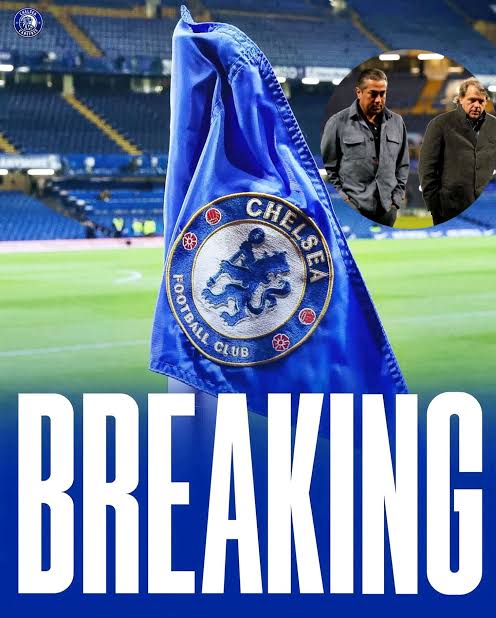
In a significant development, the Premier League has officially reviewed and clarified the sanctions imposed on Chelsea, offering fresh insight into the club’s suspended transfer ban and ongoing academy restrictions. The decision follows weeks of internal reassessment and growing pressure for transparency surrounding the disciplinary measures.
 The review confirms that Chelsea’s first-team transfer ban remains suspended, meaning the club is still free to sign players unless further breaches occur. This clarification comes as a major relief for the club’s hierarchy, who had feared tighter restrictions could disrupt their long-term rebuilding strategy.
However, the situation is far from fully resolved. The Premier League has reiterated that the academy registration ban remains active, preventing Chelsea from signing certain youth players for a fixed period. This restriction is part of broader sanctions tied to historical breaches in youth development regulations.
League officials emphasized that the sanctions were carefully reviewed by an independent judicial panel to ensure fairness and proportionality. The panel reportedly concluded that Chelsea’s cooperation and self-reporting played a key role in softening the severity of the punishments.
Sources close to the process suggest that the review was not aimed at reducing penalties, but rather at clarifying their scope and enforcement. This includes outlining exactly which types of transfers are affected and which areas of the club remain unrestricted.
Chelsea have welcomed the outcome, releasing a statement expressing satisfaction with the clarity provided. Club officials believe the review removes uncertainty and allows them to move forward with greater confidence, particularly in the transfer market.
Despite this, critics argue that the sanctions remain too lenient, with some rival clubs reportedly questioning why the suspended ban was not activated immediately. The debate has reignited discussions about consistency in how financial and regulatory breaches are punished across English football.
On the sporting side, Chelsea’s recruitment team is now expected to proceed cautiously, ensuring full compliance with all regulations. The academy, meanwhile, will need to adapt by focusing on internal development rather than external recruitment.
As the dust settles, the Premier League has made it clear that any further violations could trigger harsher consequences, including the activation of the suspended transfer ban. For Chelsea, the message is unmistakable: compliance is no longer optional—it is essential.
The reviewed sanctions mark a turning point for the club, balancing accountability with opportunity. Whether Chelsea can navigate this period successfully may ultimately define the next chapter of their modern era.