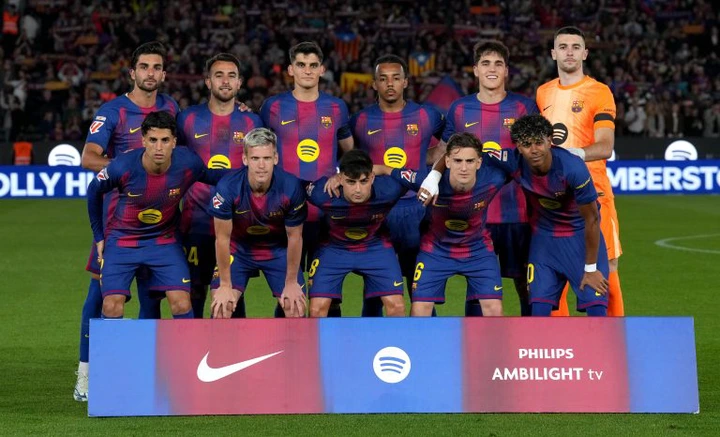
FC Barcelona are reportedly preparing for a potentially transformative summer transfer window, with the club hierarchy open to listening to offers for three members of their current first-team squad. The development signals a shift in strategy as the Catalan giants look to balance financial stability with sporting ambition ahead of the new season.
 The decision comes at a time when Barcelona continue to navigate economic pressures that have impacted their ability to operate freely in the transfer market. While the club has made strides in recent years to stabilize its finances, the need to generate revenue through player sales remains a key component of their long-term plan. As a result, even established first-team players are no longer considered untouchable.
Sources close to the club suggest that the trio in question are not fringe players, but rather individuals who have featured regularly in the squad. This underscores the seriousness of Barcelona’s intent, as they aim to maximize potential transfer income while still maintaining a competitive team capable of challenging domestically and in Europe.
From a sporting perspective, the move could also reflect a desire to refresh the squad. Football at the highest level demands constant evolution, and Barcelona may see this as an opportunity to inject new energy, whether through emerging academy talents or carefully targeted signings. The club’s famed La Masia system remains a crucial pillar, and openings in the first team could accelerate the development of younger prospects.
Fans, however, are likely to have mixed reactions. Barcelona supporters are known for their deep attachment to players who embody the club’s identity and playing style. Selling key figures, even for financial reasons, can be a difficult pill to swallow, particularly if those players have been instrumental in recent successes or have strong connections with the fanbase.
At the same time, there is an understanding among many supporters that modern football often requires tough decisions. The financial realities of the game mean that even elite clubs must sometimes prioritize sustainability over sentiment. If the funds generated from these potential sales are reinvested wisely, it could ultimately strengthen the squad in the long run.
The coaching staff will also play a critical role in shaping how these changes unfold. Any departures would need to be carefully managed to avoid disrupting team chemistry and tactical balance. Replacements, whether internal or external, must align with the manager’s philosophy to ensure continuity on the pitch.
Another factor to consider is the timing of these potential deals. The summer transfer window is often unpredictable, with market dynamics shifting rapidly. Barcelona’s willingness to listen to offers does not necessarily guarantee sales, as negotiations will depend on the right bids arriving and suitable replacements being available.
In the broader context, this move highlights the evolving nature of squad management at top clubs. Gone are the days when even high-profile players could feel completely secure in their positions. Performance, financial considerations, and long-term planning all play a role in determining a player’s future.
Ultimately, Barcelona’s openness to offers for three first-team stars could mark the beginning of a significant transitional phase. Whether it leads to a successful rebuild or raises new challenges will depend on how effectively the club navigates the delicate balance between financial necessity and sporting excellence.