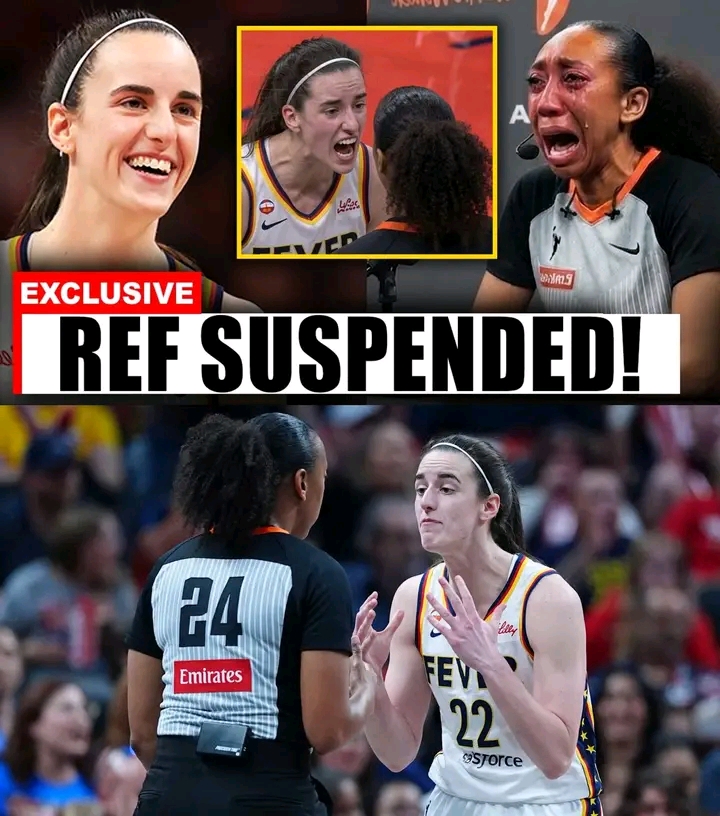
The WNBA has taken decisive action amid ongoing scrutiny of its officiating standards, suspending the entire referee crew assigned to the recent Indiana Fever versus Golden State Valkyries matchup. The league announced the one-game suspension late Thursday, citing multiple “egregious missed calls and inconsistent application of rules” that significantly impacted game flow and player safety.
The contest, played at Chase Center in San Francisco, was already marred by technical issues with the shot clock that caused lengthy delays. However, post-game reviews highlighted far more serious problems with on-court decisions. Multiple replays showed uncalled physical fouls on Fever star Caitlin Clark, including hard contact away from the ball and questionable no-calls on drives to the rim. Golden State benefited from several advantageous whistles in the fourth quarter, helping secure a narrow victory.
Fever head coach Stephanie White was visibly frustrated during her postgame press conference. “We talk about player safety all the time, especially for our generational talents,” White said. “Tonight, the officials failed to protect the integrity of the game. These aren’t minor mistakes — they altered the outcome.” White, who has been vocal about officiating disparities throughout the season, referenced previous incidents involving Clark, including a high-profile no-call against the Phoenix Mercury where Alyssa Thomas made contact with Clark’s throat.
League officials confirmed the suspension after a thorough video review by the WNBA’s officiating department. Crew chief and her two referees will sit out their next assigned game, with replacements already assigned. This marks one of the more notable disciplinary actions against officials this season, as the league continues to face criticism from players, coaches, and fans over consistency.
The suspension comes at a pivotal time for the WNBA, which has seen record viewership and attendance driven largely by stars like Clark. Golden State Valkyries coach Natalie Nakase has previously called for better consistency across crews, while acknowledging the challenges of the fast-paced professional game. “We all want fair basketball,” Nakase noted in earlier comments on league officiating.
This latest development underscores broader frustrations. Sites tracking WNBA calls have logged numerous high-risk incidents this season, with Fever games frequently appearing in discussions. The league’s head of officiating has emphasized ongoing training and reviews, but incidents like this fuel calls for more accountability.
Fever fans and analysts expressed relief at the league’s response, hoping it signals a stronger commitment to fair play. As the season progresses toward playoffs, both teams remain in contention, but the focus remains on ensuring officials keep pace with the league’s rising talent and intensity.