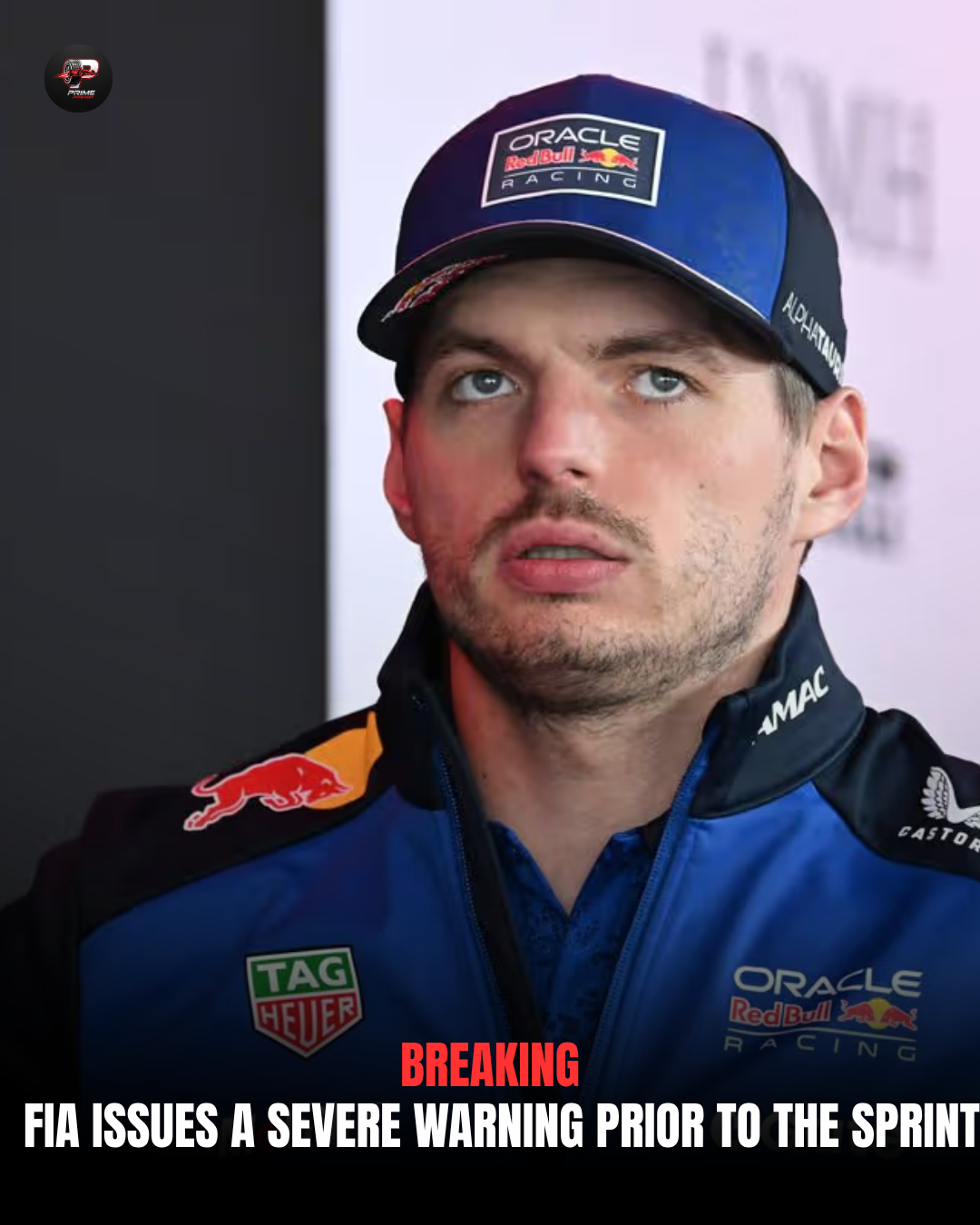
The atmosphere inside the Formula 1 paddock has intensified dramatically after the Fédération Internationale de l’Automobile reportedly issued a strong warning to teams and drivers ahead of the upcoming Sprint weekend.
With championship pressure already building during the 2026 season, the governing body’s latest intervention has sparked widespread debate throughout the sport, raising fresh concerns over driver conduct, aggressive racecraft, technical compliance, and the growing risks associated with Sprint-format racing.
As teams arrived at the circuit preparing for one of the most unpredictable weekends of the calendar, the FIA’s message was unmistakably clear: any breaches of regulations, dangerous maneuvers, or unsporting behavior during the Sprint sessions would face immediate and severe scrutiny.
Why Sprint Weekends Have Become Increasingly Controversial
Since the introduction of Sprint races into Formula 1, the format has divided opinion among drivers, engineers, and fans.
Supporters argue that Sprint weekends inject extra excitement into the schedule by adding more competitive sessions and increasing opportunities for overtaking. Critics, however, believe the condensed format creates unnecessary pressure, encourages reckless driving, and limits teams’ preparation time.
Unlike a traditional Grand Prix weekend, Sprint events force teams to make setup decisions extremely early due to parc fermé restrictions. Drivers have less time to adapt to changing track conditions, while engineers face greater risks when balancing performance and reliability.
That compressed structure often leads to aggressive on-track behavior.
Over the past two seasons, Sprint races have produced multiple high-profile incidents involving wheel-to-wheel contact, track limits violations, unsafe releases, and heated radio exchanges. The FIA’s latest warning appears designed to prevent another chaotic weekend from spiraling out of control.
Growing Concerns Over Driver Aggression
One major factor behind the FIA’s stern approach is the increasingly aggressive nature of modern Formula 1 racing.
The current generation of drivers — led by stars such as Max Verstappen, Lando Norris, George Russell, and Charles Leclerc — races with remarkable intensity from the very first lap.
Sprint races amplify that aggression because there is little strategic patience involved. With fewer laps available, drivers know that every overtake attempt carries greater importance.
As a result, opening laps have become particularly dangerous.
Several recent Sprint events featured near-misses, collisions, and controversial defensive maneuvers that triggered criticism from teams and former drivers alike. The FIA reportedly wants to establish tighter control before another incident creates serious safety concerns.
Technical Scrutiny Expected to Increase
The warning is also believed to involve technical monitoring.
Sprint weekends create unique engineering challenges because teams have limited opportunities to adjust their cars after qualifying. That pressure occasionally pushes organizations toward aggressive setup experimentation or borderline interpretations of technical regulations.
In recent years, Formula 1 has seen growing controversy surrounding flexible aerodynamic components, plank wear, ride height management, and tire temperature optimization.
The FIA has responded by increasing random inspections throughout race weekends.
Paddock insiders believe several teams may already be under closer observation heading into the Sprint, particularly as the championship battle tightens and performance margins shrink across the grid.
Even minor technical infringements could now result in significant penalties.
The Psychological Pressure Facing Drivers
Beyond technical concerns, the FIA’s warning adds another layer of mental pressure to an already stressful environment.
Sprint weekends are physically and emotionally exhausting for drivers because mistakes become far more costly when sessions are condensed together.
One crash in Sprint qualifying can compromise the entire weekend.
One poorly judged overtake can destroy valuable championship points.
For younger drivers especially, the challenge is enormous. They must balance aggression with control while knowing that every move will be analyzed by stewards, television audiences, and team management in real time.
That psychological tension often creates the exact kind of emotional racing atmosphere the FIA is trying to calm.
Why Safety Remains the FIA’s Top Priority
Although some fans criticize the FIA for being overly strict, safety remains the governing body’s central responsibility.
Modern Formula 1 cars are faster and heavier than ever before. Combined with tighter competition and more aggressive wheel-to-wheel racing, the margin for error continues shrinking.
Sprint races increase risk because drivers tend to attack immediately rather than building rhythm gradually across a longer Grand Prix.
Tracks featuring narrow braking zones, limited runoff areas, or unpredictable weather conditions become particularly dangerous under Sprint conditions.
The FIA’s latest warning likely reflects concern that the combination of championship tension and Sprint urgency could produce unnecessary incidents.
After several controversial stewarding decisions earlier this season, the governing body also appears eager to reassert authority before the weekend begins.
How Teams Are Responding Behind the Scenes
Inside team garages, the FIA’s warning has already changed the tone of pre-race preparations.
Engineers and strategists are reportedly emphasizing caution during driver briefings, especially regarding first-lap incidents, track limits, and radio conduct.
Team principals understand that penalties during Sprint weekends can quickly snowball into disastrous championship consequences.
For front-running teams fighting for titles, avoiding unnecessary controversy may now become just as important as raw pace.
Some insiders believe teams could instruct drivers to approach the opening laps more conservatively than usual, particularly if weather conditions become unpredictable.
However, controlling competitive instincts inside Formula 1 is rarely easy.
Former Drivers Weigh In on the Debate
Several former Formula 1 drivers have already weighed in on the FIA’s tougher stance.
Some support the governing body’s decision, arguing that Sprint races naturally encourage overly aggressive driving and require firmer officiating standards.
Others believe the FIA risks removing the spontaneity and excitement that Sprint weekends were originally designed to create.
Former drivers often point out that elite racers perform best when allowed to compete instinctively rather than constantly fearing penalties.
That balance between entertainment and safety remains one of Formula 1’s most difficult modern challenges.
The FIA now faces the pressure of enforcing regulations consistently while still allowing genuine racing battles to unfold naturally.
Could the FIA Introduce Even Stricter Measures?
The latest warning may also signal broader regulatory changes in the future.
If Sprint-related incidents continue increasing, Formula 1 could eventually see:
- Tougher penalties for dangerous driving
- Revised Sprint weekend formats
- Expanded stewarding powers
- Additional technical inspections
- Stricter guidelines for wheel-to-wheel racing
There is already ongoing debate within the paddock regarding whether Sprint races should carry reduced points or feature altered qualifying structures.
The FIA’s current intervention suggests the governing body is actively monitoring how the format impacts driver behavior and overall race control.
Championship Pressure Is Raising the Stakes
One reason tensions feel particularly high this season is because the championship battle remains unusually competitive.
Unlike previous years dominated by a single team, multiple organizations now appear capable of fighting for victories on different circuits.
That competitiveness increases frustration levels dramatically.
Drivers know that losing even a few points due to penalties or collisions could decide the championship months later.
As pressure intensifies, emotional reactions over team radio and aggressive defensive tactics become increasingly common — precisely the type of situations the FIA hopes to prevent.
A Crucial Weekend for Formula 1
As the Sprint weekend approaches, the FIA’s severe warning has already succeeded in one important way: it has placed the entire paddock on alert.
Drivers now know they will be racing under intense scrutiny.
Teams understand that technical compliance will face microscopic examination.
And fans are preparing for a weekend that could carry major implications for both the championship standings and the future of Sprint racing itself.
Whether the FIA’s intervention calms tensions or unintentionally increases the pressure remains to be seen.
But one thing is certain: in modern Formula 1, where speed, politics, and entertainment collide every single weekend, even a warning issued before the lights go out can completely change the atmosphere of a race weekend.