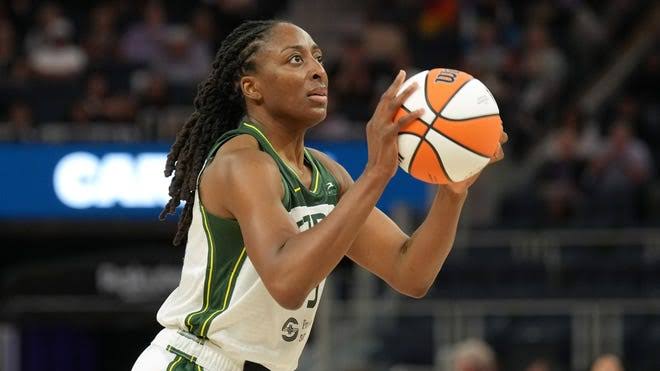
WNBA players’ union president Nneka Ogwumike has acknowledged that major hurdles remain in negotiations for a new collective bargaining agreement, though she remains optimistic the league will still take the court in 2026. Speaking in a recent interview, Ogwumike stressed that players are eager to compete and want the upcoming season to go ahead as planned, even as talks with the league continue under mounting time pressure.
At the heart of the negotiations is revenue sharing, an issue Ogwumike described as the biggest obstacle to reaching an agreement. The players’ association and the league are currently far apart on how revenue should be divided, with the season scheduled to begin on May 8. Key offseason events such as free agency, the rookie draft, and the expansion draft must also be completed before tip-off, increasing the urgency to find common ground.
Progress resumed late last week when the league delivered a new proposal to the union following weeks of silence. This came after a lengthy meeting earlier in the week that left players expecting a response. While discussions remain confidential, the renewed dialogue signals movement after a prolonged pause in negotiations that had stalled the offseason calendar.
The dispute largely centers on how player compensation should be calculated. The union is pushing for roughly 30% of gross league revenue, while the league’s previous proposal focused on sharing net revenue after expenses. That proposal included significant investments in player benefits such as improved travel, accommodations, facilities, and medical care, alongside a dramatic increase in salaries — including a potential seven-figure base salary starting in 2026.
Failure to reach a timely agreement could have serious consequences for the league. Expansion plans for Toronto and Portland have already been delayed, and further setbacks could push back the start of free agency and the regular season. With a large majority of players expected to hit the market due to anticipated salary growth, both sides risk losing revenue, sponsorships, and fan momentum if games are postponed. As talks continue, the outcome of these negotiations will shape the future of the WNBA for years to come.
About the Author