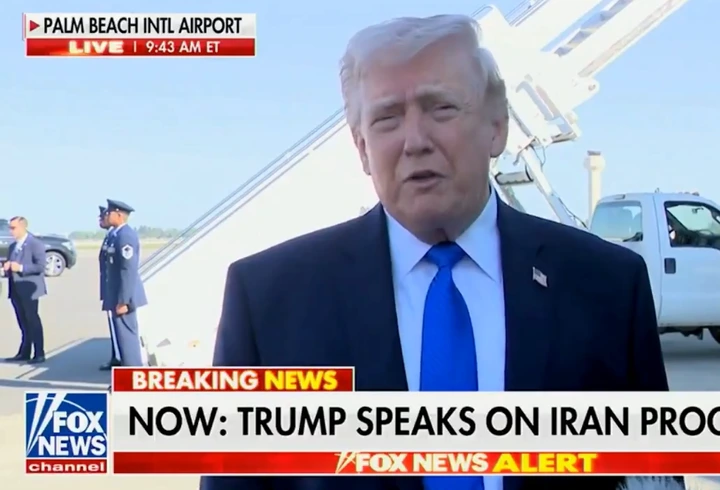
Fresh optimism has emerged on the global stage after Donald Trump announced that the United States and Iran have reached what he described as “major points of agreement” in ongoing discussions—an unexpected development that could signal a breakthrough in one of the world’s most volatile conflicts.
Speaking amid escalating tensions in the Middle East, Trump suggested that recent engagements between U.S. envoys and Iranian representatives have produced meaningful progress toward ending hostilities. According to the president, both sides are now aligned on several key issues, raising the possibility of a rapid diplomatic resolution.
In a notable shift, Trump also confirmed a temporary pause on planned U.S. military strikes targeting Iranian energy infrastructure. The decision, he explained, was intended to give diplomacy a chance to succeed. Markets reacted immediately, with oil prices falling and investor confidence rising on hopes of de-escalation.
Despite the optimistic tone from Washington, officials in Tehran have pushed back. Iranian authorities have publicly denied that any direct negotiations are taking place, casting doubt on the extent of progress claimed by the U.S. administration.
Still, reports indicate that indirect talks may be underway through regional mediators, including countries such as Oman, Turkey, and Pakistan. These backchannel efforts appear to be focused on core issues such as security guarantees, the reopening of strategic waterways, and limits on Iran’s nuclear activities.
Trump has framed the moment as a potential turning point, hinting that a deal could be reached within days if momentum continues. However, analysts remain cautious, noting the long history of stalled negotiations and mutual distrust between the two nations.
For now, the world watches closely. If the “major points of agreement” translate into concrete commitments, the development could mark a sudden and dramatic shift from confrontation to cooperation—bringing a fragile but much-needed hope for peace.