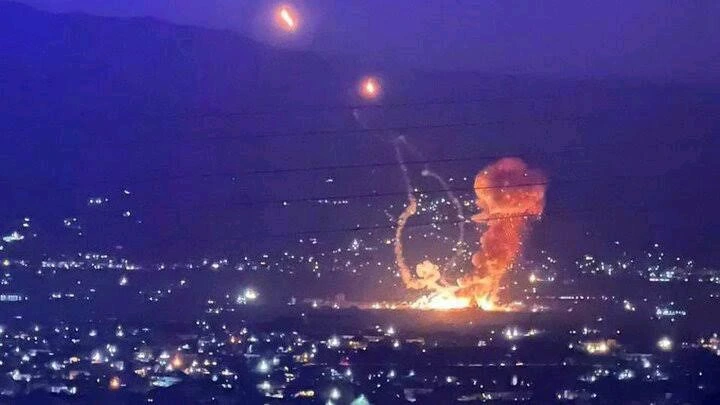
The steep and sustained decline in Iran’s daily ballistic missile output over the course of the first sixteen days of the conflict represents measurable and compelling evidence of the systematic destruction of its offensive military infrastructure, according to Alex Traiman, CEO of the Jerusalem News Service bureaus
By the time of this broadcast, Iran’s daily ballistic missile launch rate had fallen to approximately 30 per day. Traiman placed this figure in historical context: in previous rounds of confrontation — specifically in April and October of 2024 — Iran had fired nearly 100 ballistic missiles in a single day at Israel. The 12-day war in an earlier period had seen approximately 500 ballistic missiles fired at Israel in total. The current figure of 30 per day, sustained over more than two weeks, represents a fraction of what was once considered Iran’s routine operational capability.
He was careful to note that even 30 ballistic missiles per day constitutes a genuine and ongoing threat that cannot be minimized. Iran has deployed cluster munition warheads — ballistic missiles that split mid-flight into 20 or more sub-munitions capable of dispersing across an area of 8 to 10 kilometers, complicating interception and increasing the likelihood of civilian impact. A strike on a Bedouin community in northern Israel injured approximately 32 people, with injuries ranging from light to moderate.
Nevertheless, Traiman argued that the contrast between pre-war assessments of Iranian ballistic missile capacity and the actual rate of fire being sustained tells a definitive story. Iran’s missile production facilities, launch infrastructure, and command networks have been systematically struck across more than 1,000 targeted hits, reducing the regime from a potentially overwhelming offensive threat to a degraded force firing at a pace that, while dangerous, bears no resemblance to its theoretical maximum.