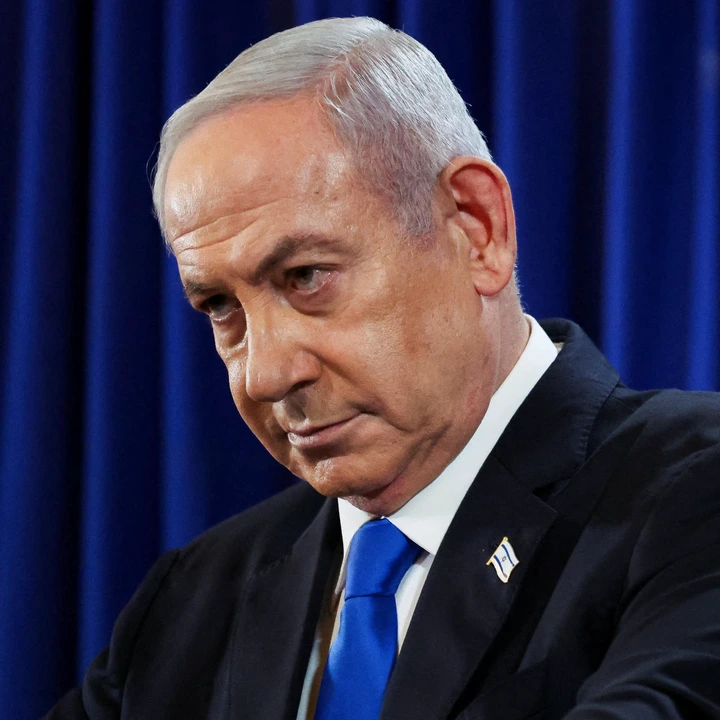
Israeli Prime Minister Benjamin Netanyahu has sparked fresh debate after making remarks about the long-anticipated return of the Messiah, saying that while the event will eventually happen, it is unlikely to occur anytime soon.
In Judaism, the coming of the Messiah is widely believed to be a future era marked by peace, justice, and spiritual renewal. Many believers see the Messianic age as a time when conflicts will cease and harmony will prevail across nations.
Netanyahu’s comments appeared to strike a balance between religious belief and political realism. He noted that while the idea of the Messiah remains a central hope within Jewish faith and identity, current global and regional challenges require practical leadership and patience rather than speculation about prophetic timelines.
Observers say the remarks reflect Netanyahu’s long-standing effort to connect Israel’s modern political journey with its ancient religious traditions. As the leader of Israel, he often references historical and spiritual themes when addressing national identity and resilience.
The comments have drawn mixed reactions. Some religious supporters welcomed the acknowledgment of Messianic belief, while critics argued that political leaders should avoid making theological predictions or interpretations.
Political analysts say statements like these often resonate strongly with religious communities, particularly within Israel’s conservative and faith-oriented groups. At the same time, they can spark controversy in a region where religion and politics are deeply intertwined.
For now, Netanyahu’s message was clear: while the hope of the Messiah remains part of Jewish belief, the present moment demands focus on real-world challenges facing Israel and the wider region.