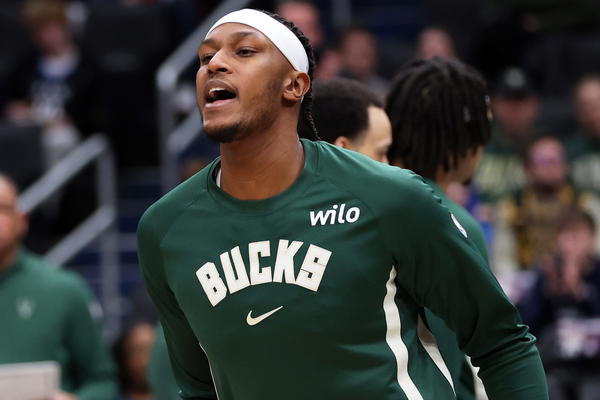
As negotiations over a new collective bargaining agreement continue in the WNBA, much of the public conversation has unfolded through headlines and social media updates. But according to Myles Turner, the real intensity of the process is largely invisible — especially to NBA players. Speaking on the Game Recognize Game with Stewie & Myles podcast alongside Breanna Stewart, Turner acknowledged that many on the NBA side only see surface-level reports and may not fully grasp the complexity of what WNBA players are navigating behind closed doors.
Stewart provided a measured but hopeful update on discussions between the league and the players’ union. After months of stalled talks and missed benchmarks, she revealed that ownership recently submitted a new proposal — the first response since players delivered theirs around Christmas. While she did not go into detail, Stewart described the tone of recent conversations as constructive, signaling that both sides may finally be moving toward meaningful progress.
One of the notable elements in the updated proposal centers on player living standards and facilities. Reports indicate that minimum-salary players would receive one-bedroom apartments, while developmental players would be offered studio housing. Beyond accommodations, players are pushing to formalize league-wide standards that include access to personal chefs, traveling massage therapists, and upgraded practice facilities. These quality-of-life improvements are viewed as essential steps toward elevating professional conditions across all franchises.
The most divisive issue, however, remains revenue sharing. The league has proposed allocating more than 70% of combined league and team net revenue to players. In contrast, the union is seeking 30% of gross revenue — a significantly different structure that continues to divide negotiations. Stewart emphasized the historic implications of implementing a true revenue-sharing model, describing it as a transformative moment for the league’s long-term sustainability and fairness.
Turner also highlighted the unseen toll the process takes on player leaders. He pointed out that negotiations often stretch into hours-long Zoom calls, sometimes even on game days. For players like Stewart, balancing on-court performance with high-stakes labor discussions adds another layer of pressure. With roughly three months remaining before the 2026 season tips off, there is still time for an agreement to materialize. For now, as Turner made clear, far more is happening behind the scenes than most fans — and even fellow NBA players — fully realize.