Max Verstappen Gains Support After Criticizing Formula One Energy Rules
A fresh debate has erupted in the world of Formula One after Max Verstappen publicly voiced strong concerns about the sport’s upcoming energy management regulations. The reigning champion did not hold back when discussing the direction the rules are taking, describing the changes as “anti-racing” and warning that they could fundamentally alter how Formula One cars behave on track. His comments quickly sparked intense discussion throughout the paddock, dividing opinions among teams, analysts, and fans who are closely watching the sport’s evolving technical framework.
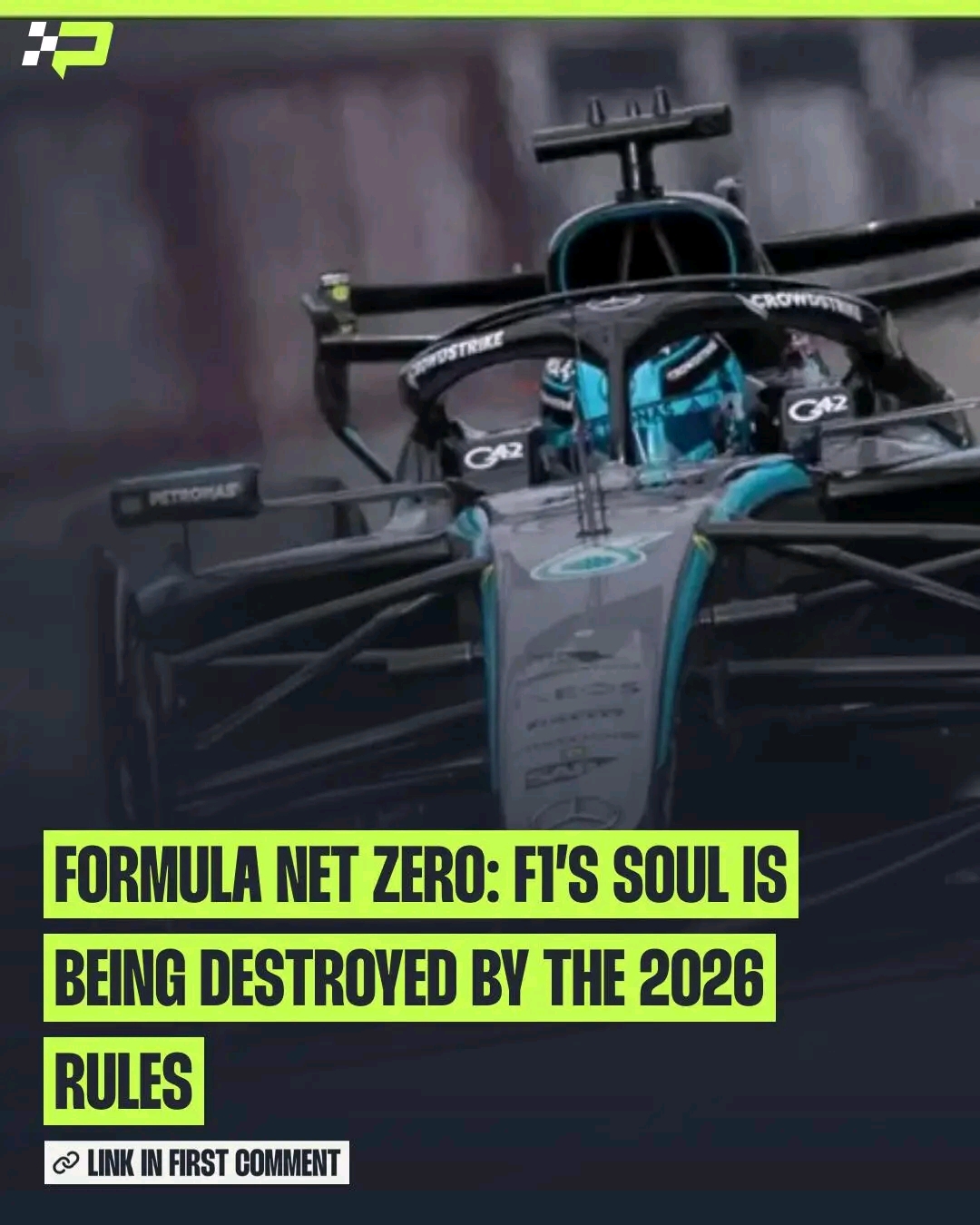
Verstappen’s frustration centers on the new engine format expected to play a major role in the next generation of Formula One power units. Under the proposed system, power output will be split almost evenly between the internal combustion engine and electric energy. While the plan is designed to increase efficiency and highlight advanced hybrid technology, Verstappen believes the concept risks shifting too much focus toward energy management rather than pure racing performance. The Dutch driver suggested that if drivers are forced to constantly manage battery deployment and regeneration instead of pushing their cars to the limit, the spectacle of racing could suffer.
In a particularly striking remark, Verstappen compared the future direction of Formula One to **Formula E**, the all-electric championship known for its intense focus on energy conservation strategies. He described the potential result as “Formula E on steroids,” implying that Formula One could become overly dependent on energy calculations instead of the high-speed, flat-out competition that fans traditionally associate with the series. The comment quickly gained attention across motorsport circles, with supporters and critics alike weighing in on whether the new rules truly risk altering the sport’s identity.
However, Verstappen has not been alone in raising questions about the regulations. Notably, **Sébastien Buemi**, a champion in Formula E and a highly respected endurance racing driver, recently spoke publicly about the issue and offered significant support for Verstappen’s perspective. Buemi explained that while technological evolution is essential for modern motorsport, it is also important to ensure that drivers remain able to race aggressively without constantly worrying about conserving energy. According to Buemi, Verstappen’s concerns are understandable because drivers naturally want regulations that allow them to attack every lap rather than carefully calculating power usage.
Buemi’s comments carry weight because of his deep experience with energy-focused racing formats. Having competed successfully in Formula E, he understands firsthand how managing electrical power can become a defining factor in performance. While he acknowledged the benefits of innovation and sustainability in motorsport, Buemi suggested that Formula One must find the right balance between technological progress and the raw excitement that has historically defined the championship. His remarks reinforced the idea that Verstappen’s criticism may reflect broader concerns shared by drivers and engineers behind the scenes.
The debate arrives at a time when Formula One is preparing for one of the most ambitious rule overhauls in its modern history. Future regulations aim to make the sport more environmentally responsible while maintaining its status as the pinnacle of racing technology. The challenge for the sport’s governing body, the **Fédération Internationale de l’Automobile**, will be ensuring that the pursuit of sustainability does not unintentionally reduce the thrilling wheel-to-wheel competition that fans expect from the series.
For supporters of Verstappen’s viewpoint, the issue is not about resisting innovation but about preserving the essence of Formula One. They argue that while hybrid technology and energy efficiency are important goals, the sport must remain fundamentally about speed, risk, and relentless competition. If drivers are forced to hold back too frequently in order to manage power output, critics fear that races could become more strategic but less exciting for viewers.
As discussions continue throughout the paddock, Verstappen’s outspoken stance has undeniably ignited a larger conversation about where Formula One is heading. With experienced figures like Buemi acknowledging the legitimacy of his concerns, the debate surrounding energy management rules is unlikely to disappear anytime soon. What happens next may shape the future identity of the championship, determining whether Formula One can successfully blend cutting-edge technology with the fierce, uncompromising racing that has captivated fans for generations.