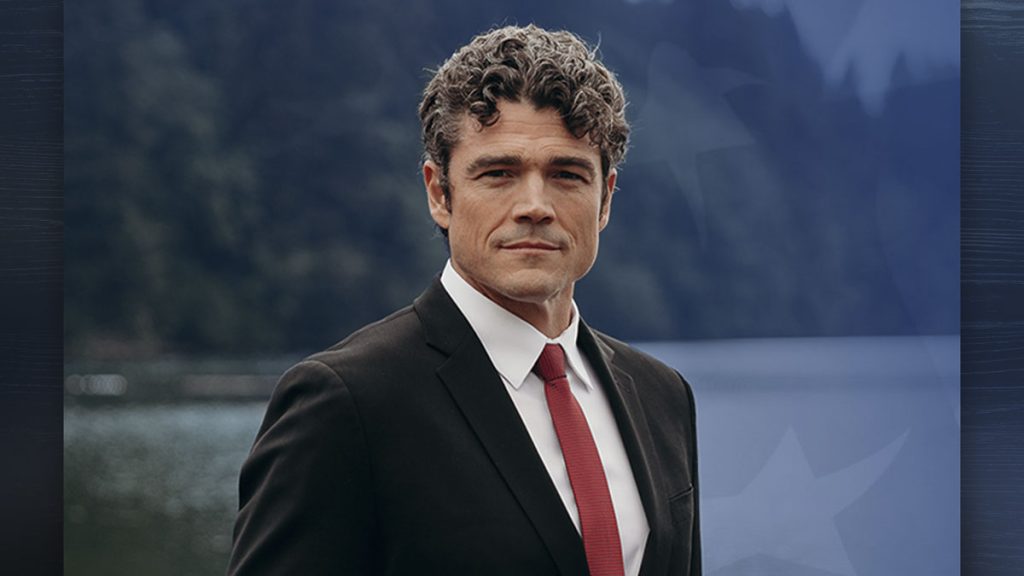
A major shockwave has rippled through Washington after Joe Kent, the Director of the National Counterterrorism Center, abruptly resigned from his post, citing deep disagreements with Donald Trump over the ongoing war with Iran.
In a strongly worded resignation statement, Kent claimed he could no longer support a conflict he believes was launched under questionable circumstances. At the heart of his argument is a controversial assertion: that Iran did not pose an imminent threat to the United States at the time military action was initiated.
A Stunning Break Inside the Administration
In his letter, Kent suggested that the path to war was shaped less by clear intelligence and more by external pressure and misinformation. He alleged that the administration had been influenced into believing Iran posed an urgent danger—an assessment he openly rejected.
Disputed Justifications for War
While the White House has defended its actions, insisting there was credible intelligence of an imminent Iranian threat, Kent’s claims have intensified scrutiny over the true motivations behind the conflict.
Some lawmakers and analysts have echoed concerns about the lack of concrete evidence justifying immediate military action, further fueling debate across political lines.
The resignation has also reignited comparisons to past U.S. military interventions, with critics warning of the long-term consequences of entering conflicts based on disputed intelligence.
Political Fallout and Global Implications
President Trump quickly dismissed Kent’s stance, reportedly labeling him “weak on security,” while reaffirming his administration’s position that the war was necessary to prevent a larger threat.
However, Kent’s departure has emboldened anti-war voices and raised difficult questions about decision-making at the highest levels of government. Internationally, the development adds another layer of uncertainty to an already volatile Middle East, where the conflict has led to rising casualties and regional instability.
A Defining Moment
Kent, a former Army officer and intelligence operative who served as counterterrorism chief from 2025 to 2026, leaves behind a deeply divided policy landscape. His resignation is more than a personal protest—it is a rare public challenge from within the national security establishment.
As the war continues, his claims are likely to fuel ongoing investigations, political debate, and global concern over how and why the United States entered yet another major conflict in the region.