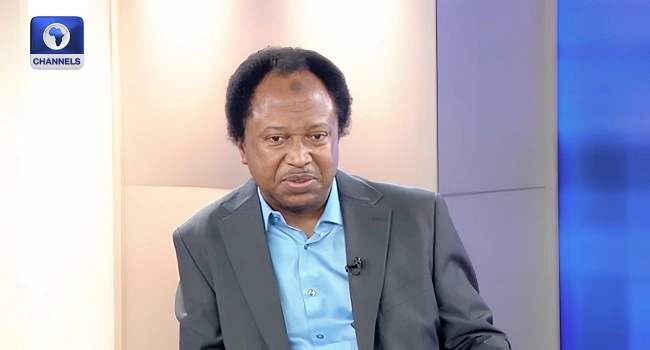
A prominent political voice, identified as Sani, has praised the United Kingdom’s recent decision not to take part in military strikes against Iran, describing the move as “commendable” and urging British authorities not to bow to international pressure to join what he called an “illegal war.”
The comments come amid rising tensions in the Middle East following coordinated military actions by several Western allies targeting Iranian strategic facilities. While some countries have backed the strikes, the United Kingdom has maintained a more cautious position, emphasizing defensive measures rather than direct involvement in offensive operations. According to reports, the British government stated that it would not participate in initial strikes on Iran and instead focus on protecting its citizens and supporting diplomatic efforts to prevent wider escalation.
Reacting to the development, Sani described Britain’s restraint as a “rare example of responsible leadership in a volatile global climate.” He argued that entering the conflict would only intensify instability in the region and risk drawing more nations into a prolonged war.
Sani further warned that external pressure from powerful allies should not compel Britain to change its stance. “The United Kingdom must not capitulate to political or military pressure,” he said. “History has shown that wars launched without clear legal justification often lead to humanitarian disasters and long-term geopolitical consequences.”
He emphasized that diplomacy, negotiation, and adherence to international law remain the most viable pathways to resolving tensions with Iran. According to him, military escalation would not only threaten regional stability but also endanger global economic and security systems.
The statement also highlighted concerns that a broader conflict involving Iran could disrupt international energy markets, increase refugee flows, and deepen divisions among global powers. Sani urged world leaders to prioritize dialogue and avoid steps that could ignite a larger confrontation.
Meanwhile, the situation remains fluid as governments across Europe and the Middle East continue to weigh their responses to the escalating crisis. Analysts say the UK’s decision to refrain from direct military involvement could influence other nations that are still undecided about their role in the conflict.
As diplomatic channels remain open, calls for restraint continue to grow, with many observers warning that the next few weeks could determine whether the crisis moves toward negotiation or further escalation.