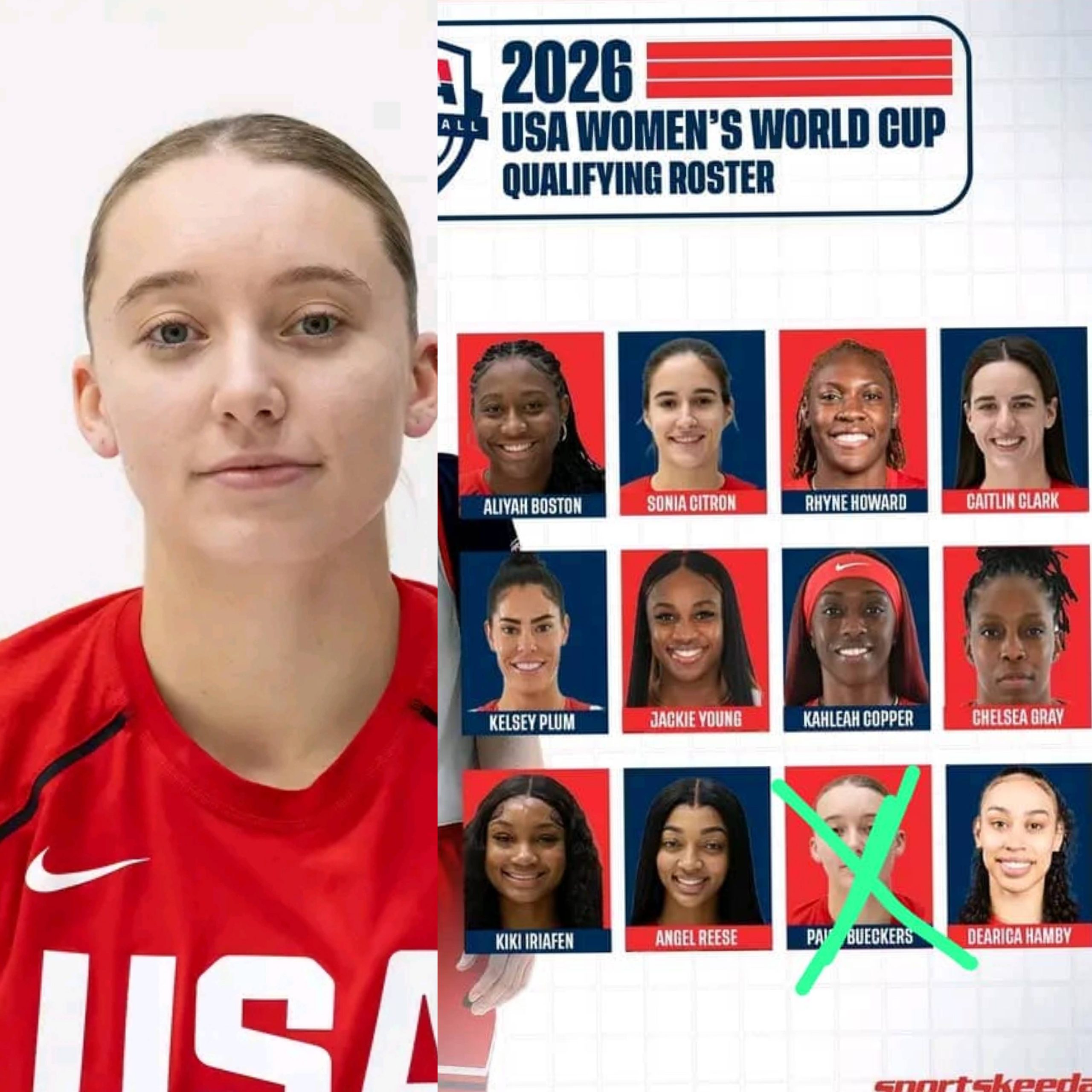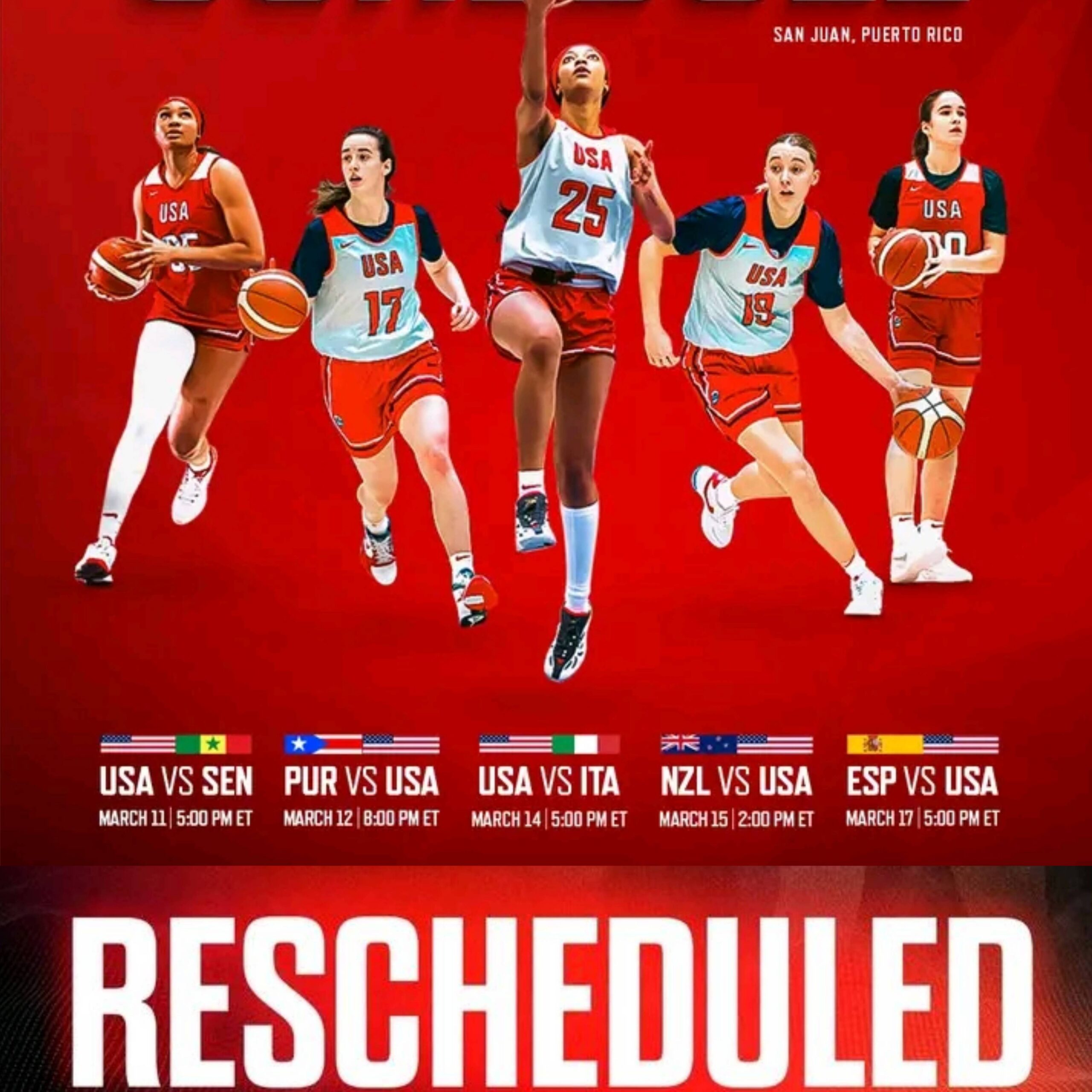
In an unprecedented move driven by global security concerns, FIBA has announced the postponement of select matches in the 2026 FIBA Women’s Basketball World Cup Qualifying Tournaments, including ripple effects impacting preparations for the United States women’s national team. The decision comes amid heightened tensions in the Middle East following recent U.S. and Israeli military actions against Iran, Iranian retaliatory strikes, and widespread regional instability including airspace restrictions and travel advisories.
USA Basketball officials confirmed that while their core group, led by head coach Kara Lawson and featuring stars like Chelsea Gray, Kelsey Plum, Aliyah Boston, and emerging talents, continues intensive preparations stateside, broader federation concerns prompted contingency planning. “The safety of our athletes, staff, and all participants is non-negotiable,” a USA Basketball spokesperson said. “We’re monitoring the situation closely and coordinating with FIBA to ensure seamless competition.”
The Middle East crisis has already disrupted multiple FIBA events, with men’s Asian qualifiers in Lebanon and Qatar postponed after U.S. strikes on Iran escalated into missile exchanges affecting neighboring countries. Reports indicate potential risks to flight routes and athlete movements, even for teams not directly in the region. FIBA emphasized that no direct threats exist to the Puerto Rico-hosted event, but precautionary measures include enhanced security protocols and flexible travel windows.
Players from affected federations expressed solidarity. One anonymous WNBA veteran noted, “This isn’t just about games—it’s about people and peace. Basketball should bring us together, not highlight divisions.” As the USA squad, already qualified via the 2025 AmeriCup but competing for ranking and momentum ahead of the Berlin World Cup (September 4-13, 2026), ramps up exhibitions, the focus remains on readiness amid uncertainty.
FIBA reiterated its commitment to athlete welfare: “We will reassess weekly and prioritize fair, safe competition for all nations.” The rescheduling underscores how geopolitical events can interrupt even the most anticipated sports calendars, leaving fans worldwide hoping for swift de-escalation.