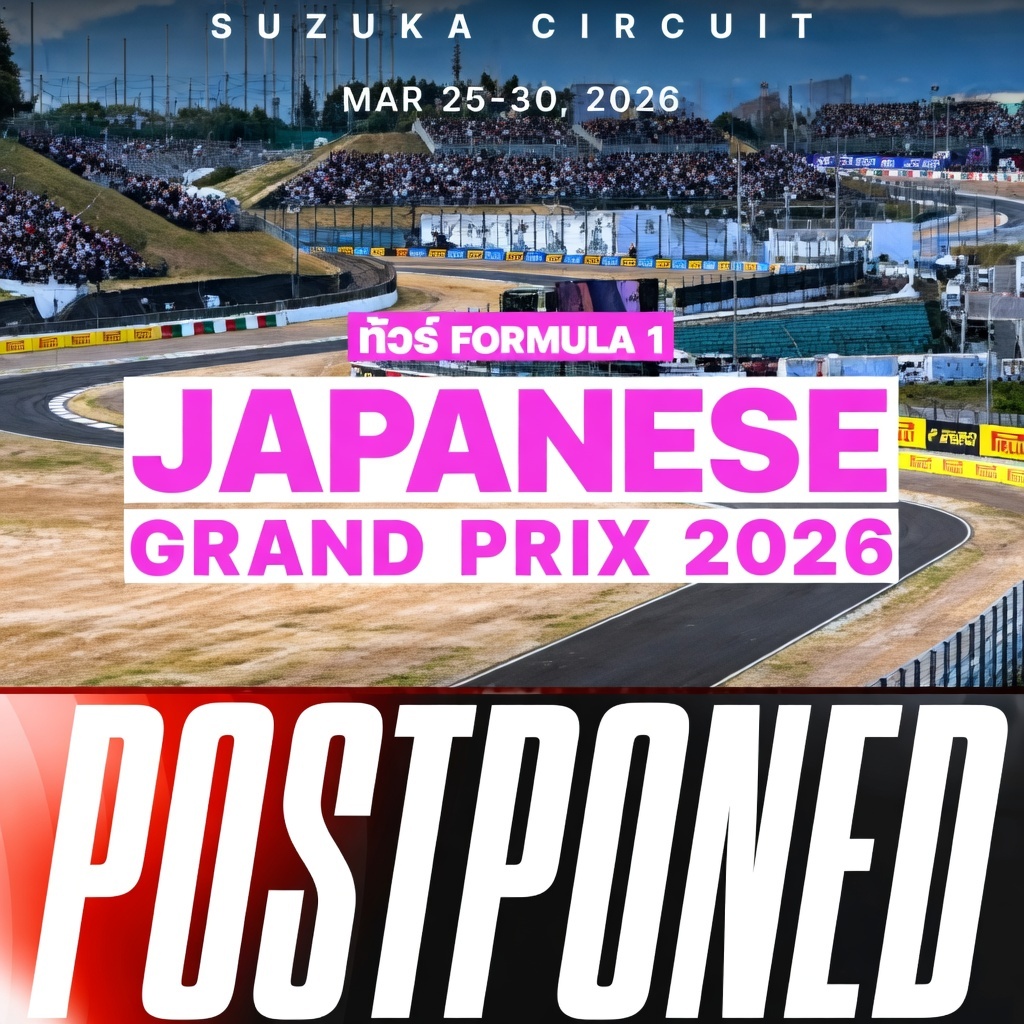
In a stunning development that has sent shockwaves through the Formula 1 community, the FIA has announced the postponement of the 2026 Japanese Grand Prix at Suzuka Circuit, originally scheduled for March 26-29. The decision comes just days before the event weekend, following intense pressure from the Japanese government amid the rapidly deteriorating security situation in the Middle East.
The move follows the recent cancellation of the Bahrain and Saudi Arabian Grands Prix in April due to the ongoing regional conflict involving Iran and allied powers. With hostilities showing no signs of abating—including missile exchanges, drone strikes, and disruptions to global aviation routes—officials cited heightened risks to teams, personnel, and spectators as the primary concern.
Sources close to the FIA revealed that Japan’s Ministry of Foreign Affairs and transport authorities urged the postponement after reassessing travel advisories and logistical challenges. “The government expressed serious concerns about the safety of large international gatherings and the potential for supply chain interruptions stemming from the Middle East crisis,” an FIA spokesperson stated. “While Suzuka itself remains far from the conflict zone, the broader implications for air travel, freight shipments, and team security made proceeding untenable at this time.”
The Japanese Grand Prix, a fan favorite known for its demanding figure-eight layout and passionate crowds, was set to be the third round of the 2026 season. Teams had already begun arriving in Japan, with freight shipments en route and tickets nearly sold out. The postponement creates a significant calendar void, extending the current break and potentially pushing the event to a later date in the year—possibly October or November—pending negotiations with promoters and broadcasters.
F1 CEO Stefano Domenicali emphasized that safety remains paramount: “This was an incredibly difficult call, but the wellbeing of everyone involved in the sport must come first. We are working closely with all stakeholders to reschedule and minimize disruption to the championship.” The FIA confirmed no immediate replacement race will fill the March slot, leaving a lengthy gap before the next confirmed event.
Fans in Suzuka expressed disappointment but understanding, with many noting the unpredictable nature of global events. As the Middle East situation evolves, the F1 calendar faces further uncertainty, highlighting how geopolitical tensions can impact even the world’s most glamorous motorsport series.