F1 CALENDAR IN CHAOS? Rising Tensions Could CANCEL April Races — Grand Prix Under Urgent Review
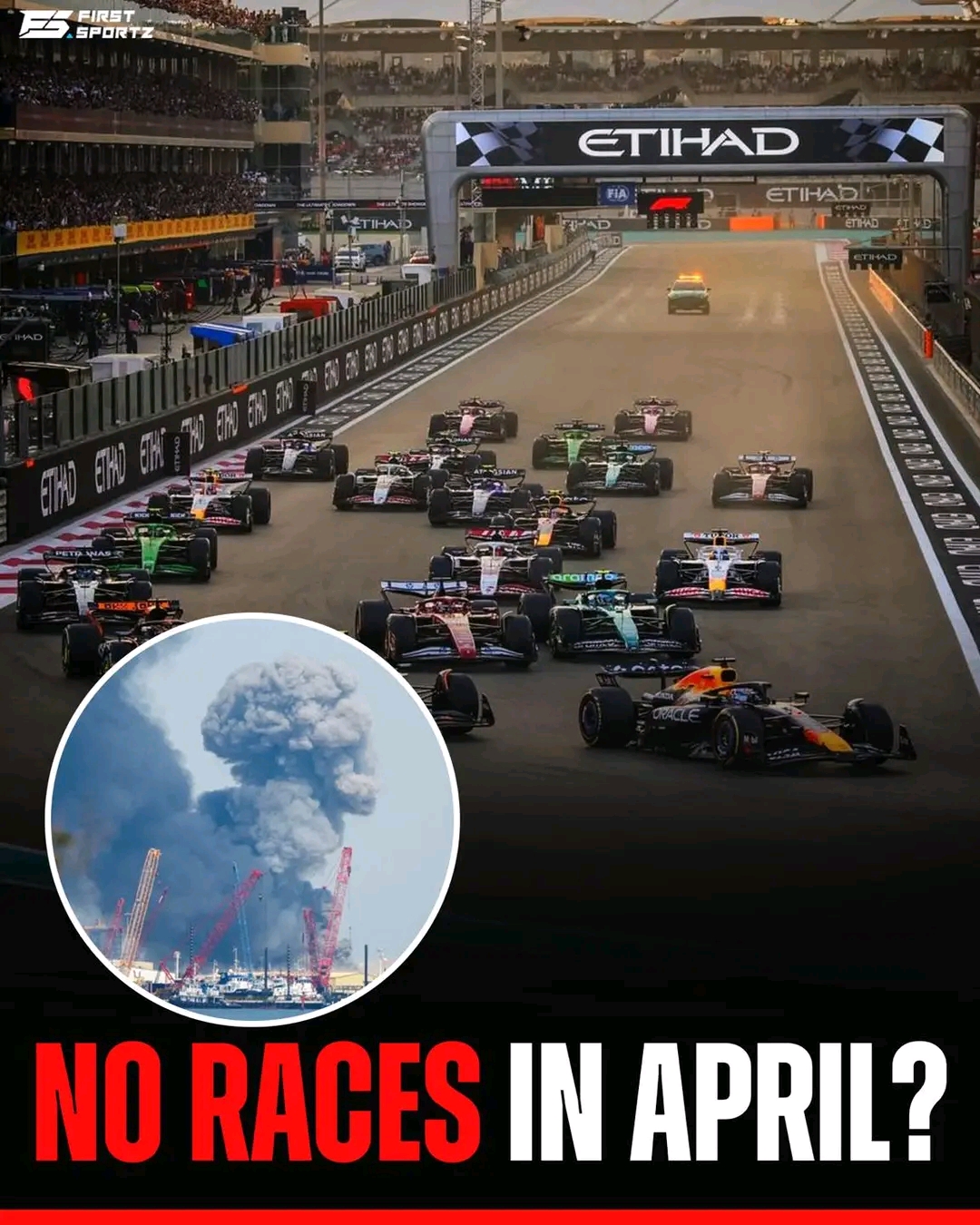
The 2026 Formula One season may be heading toward its first major disruption as rising geopolitical tensions across the Middle East raise serious concerns about the safety of upcoming races. With reports of missile strikes and escalating conflict in parts of the Gulf region, Formula One officials are now closely monitoring the situation — and the possibility that two major races scheduled for April could be postponed or removed entirely from the calendar.
At the center of the uncertainty are the upcoming **Bahrain Grand Prix** and **Saudi Arabian Grand Prix**, two cornerstone events in the early part of the **Formula One** season. Both races take place in the Gulf region, which has recently seen rising military activity and growing international concern about regional stability.
While no final decision has been announced, insiders say officials from the sport’s governing body, the Fédération Internationale de l’Automobile, are already holding discussions about potential contingency plans.
Safety Concerns Suddenly Take Center Stage
In Formula One, safety is always the top priority—not only for drivers and teams but also for thousands of race staff, journalists, and hundreds of thousands of spectators who attend the events.
The current concerns stem from reports of missile activity and heightened military tensions across parts of the Gulf region. Although the race venues themselves have not been directly affected, experts say the volatile situation could pose risks to travel routes, logistics, and general event security.
For the Fédération Internationale de l’Automobile, even the possibility of danger is enough to trigger a full review.
Formula One has faced similar dilemmas in the past, where global crises forced organizers to make difficult decisions about whether races could proceed safely.
Why These Races Matter So Much
The Bahrain Grand Prix and the Saudi Arabian Grand Prix are not just ordinary stops on the calendar.
The Bahrain race has traditionally served as one of the key early-season events, often shaping the momentum of the championship. Held at the iconic Bahrain International Circuit, it is widely regarded as one of the best-organized races in modern Formula One.
Meanwhile, the high-speed street circuit in Jeddah, home to the Saudi Arabian Grand Prix, has quickly become one of the most dramatic races of the season thanks to its incredibly fast layout and unpredictable race outcomes.
Losing either event would significantly disrupt the early rhythm of the championship.
Teams and Drivers Watching Closely
Teams across the paddock are now keeping a close eye on developments.
Formula One operations require enormous logistical planning, including shipping cars, equipment, and personnel across continents on a tight schedule. If either race were postponed or canceled, the ripple effect could force the sport to reshuffle multiple events.
Drivers have also expressed concerns in the past about racing in areas experiencing geopolitical tension, though many emphasize that they trust the Fédération Internationale de l’Automobile and Formula One management to make the right call.
Behind the scenes, discussions are reportedly underway about possible backup plans—including rescheduling races later in the season or adjusting the calendar entirely.
A Growing Pattern of Global Challenges
In recent years, Formula One has repeatedly had to adapt to unpredictable global situations.
From pandemic disruptions that reshaped entire seasons to weather emergencies and political instability affecting certain regions, the sport has learned how quickly circumstances can change.
The current Middle East tensions are the latest example of how world events can intersect with international sports.
Because Formula One operates across dozens of countries every season, geopolitical developments can suddenly impact race logistics and safety planning.
What Happens Next?
For now, both the Bahrain Grand Prix and the Saudi Arabian Grand Prix remain officially scheduled.
However, officials from the **Fédération Internationale de l’Automobile** and Formula One management are expected to continue evaluating the situation in the coming days and weeks.
If tensions escalate further, the sport could be forced to take decisive action.
And if that happens, the 2026 Formula One calendar might be about to undergo one of its most dramatic shake-ups in years.
For fans eagerly awaiting the roar of engines under the desert lights, one question now hangs in the air:
Will April’s Middle Eastern races go ahead as planned—or are two of Formula One’s biggest events about to disappear from the calendar?