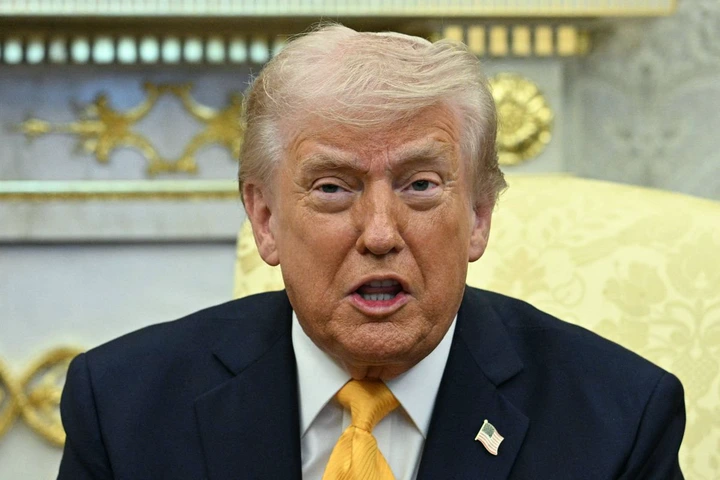
Tensions in the Middle East have reached a dangerous new peak after U.S. President Donald Trump issued a stark ultimatum to Iran, warning that American forces could “obliterate” the country’s power infrastructure if demands are not met within 48 hours.
The Ultimatum
In a strongly worded statement, Trump demanded that Iran fully reopen the Strait of Hormuz “without threat” within two days. Failure to comply, he said, would trigger U.S. military strikes targeting Iran’s power plants—starting with the largest and most critical facilities.
The threat marks a significant escalation from previous U.S. actions, which had largely focused on military and strategic targets. Analysts warn that targeting civilian energy infrastructure could have devastating humanitarian consequences and further widen the conflict.
Rising Conflict Across the Region
The ultimatum follows weeks of intensifying violence across the Middle East. Iran has launched missile strikes against Israeli targets, including areas near sensitive nuclear facilities, while also targeting U.S. and allied installations in the region.
Meanwhile, retaliatory strikes—widely attributed to Israel and its allies—have reportedly hit key Iranian sites, including nuclear-related facilities. The situation has quickly evolved into a multi-front confrontation involving several countries.
Casualties continue to mount, with thousands reported dead or injured, and millions affected by displacement and economic disruption.
إيران’s Response
Iranian officials have responded defiantly to Trump’s ultimatum, warning that any attack on its infrastructure would be met with swift retaliation. Threats have included targeting U.S. military bases and allied energy installations across the region, raising fears of a broader regional war.
The rhetoric on both sides has grown increasingly aggressive, with little indication of immediate diplomatic de-escalation.
Global Impact
The crisis is already having far-reaching consequences beyond the battlefield. Energy markets have been thrown into turmoil, with oil prices surging and supply chains disrupted. Countries heavily dependent on Middle Eastern oil are scrambling to secure alternative supplies.
International leaders have expressed concern over the potential for a full-scale war, urging restraint as the 48-hour deadline looms. However, divisions remain among global powers over how to respond.
A Critical Countdown
As the deadline approaches, the world watches closely. The next moves by both Washington and Tehran could determine whether the crisis escalates into a broader war or shifts toward a fragile diplomatic resolution.
For now, the threat of large-scale destruction—and its global consequences—hangs heavily over an already volatile region.