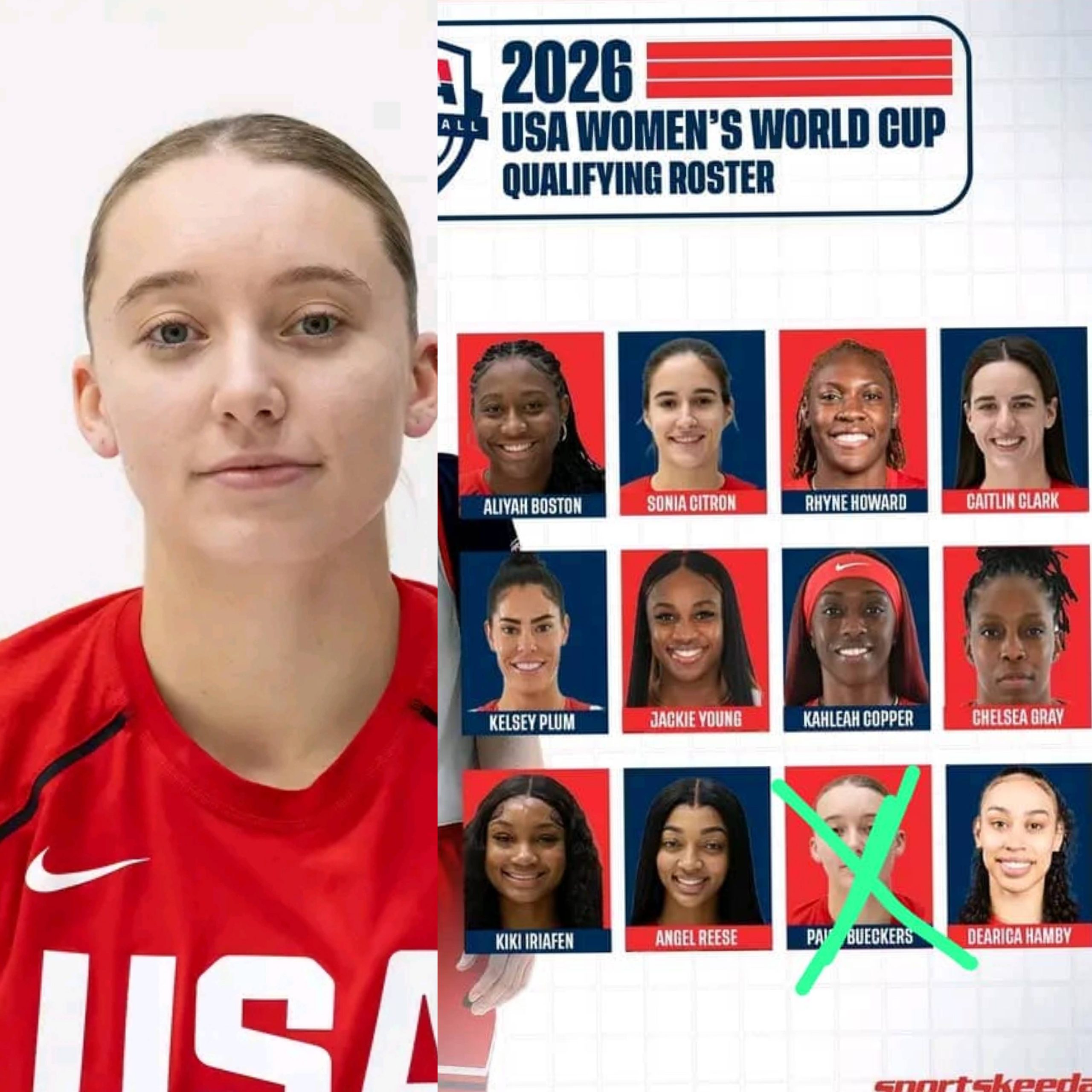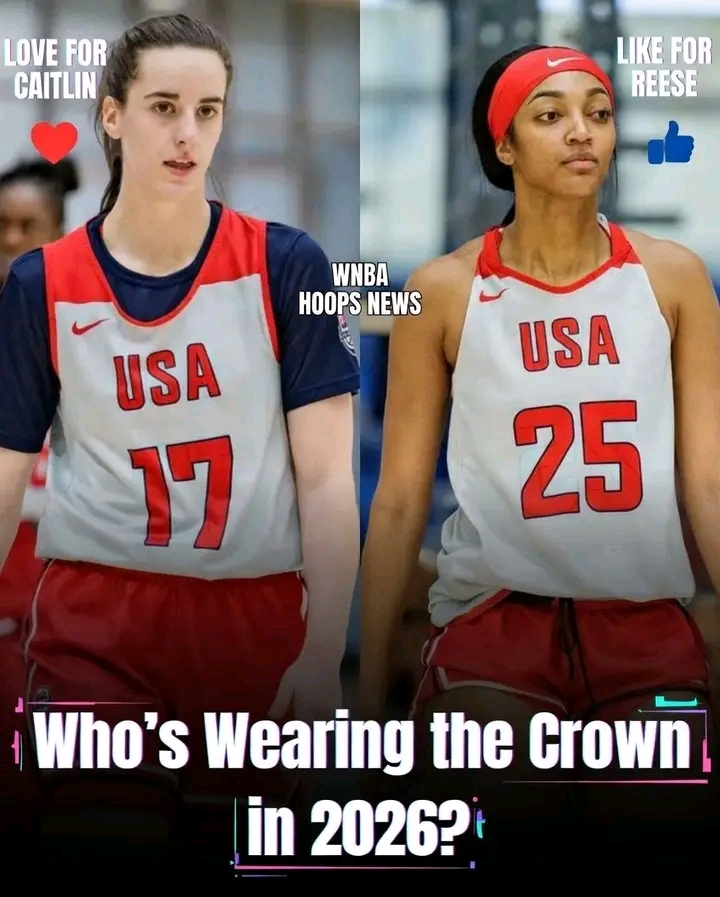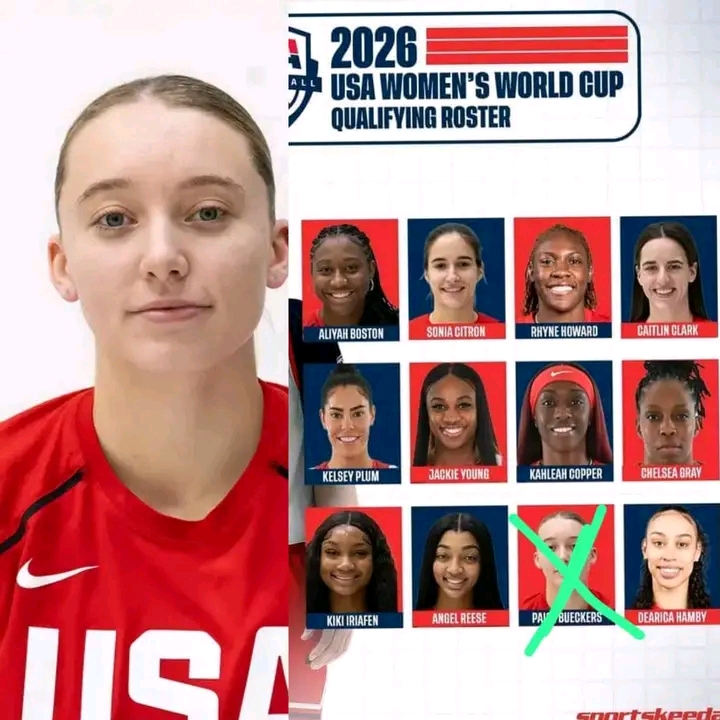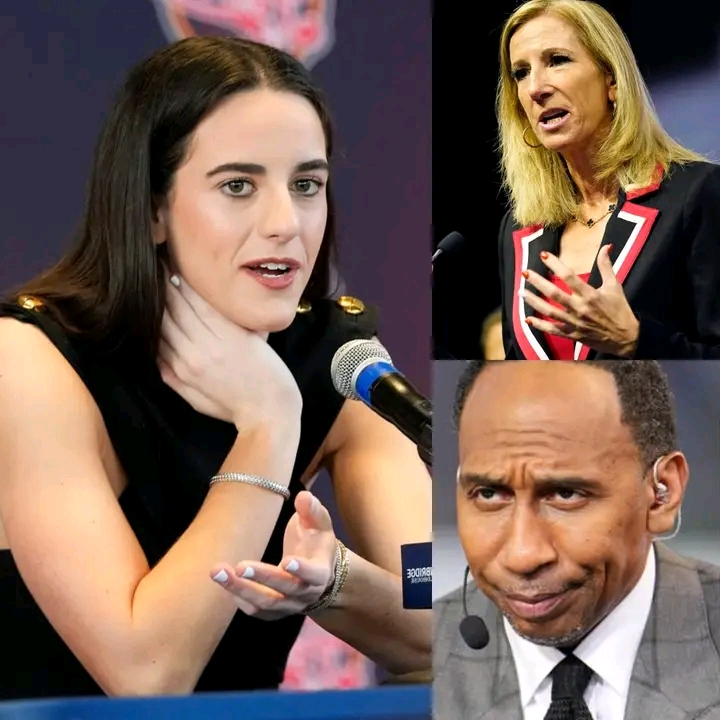
The conversation around fairness in professional sports has taken a dramatic turn, with Caitlin Clark at the center of it all. Her arrival brought unprecedented attention to the league, driving ticket sales, boosting television audiences, and elevating the overall visibility of the WNBA. Analysts have even linked her presence to a significant portion of the league’s revenue growth and expanding fan base, highlighting just how influential one player can be. �
Wikipedia
Despite this surge in popularity, Clark’s rookie contract has raised eyebrows. Under the league’s structured pay system, top draft picks earn relatively modest salaries compared to their impact, with her first-year earnings reported to be around $76,000. � This gap between performance-driven value and actual pay has fueled ongoing discussions about compensation in women’s basketball, especially as the league continues to grow commercially.
Business Insider
The issue becomes even more complex when considering the league’s evolving media landscape. The WNBA recently secured major broadcasting agreements that will expand its reach across multiple platforms, including partnerships with networks like NBC starting in 2026. � While these deals signal long-term growth and increased revenue potential, they have also intensified scrutiny over how much players—particularly stars like Clark—benefit financially from that success.
Wikipedia
Critics, including outspoken sports commentator Stephen A. Smith, have not held back in questioning the league’s approach. Some argue that tensions between established players, league leadership, and emerging stars reflect deeper challenges within the sport. At the center of these concerns is commissioner Cathy Engelbert, whose leadership decisions are increasingly being examined as the league navigates a period of rapid change and heightened expectations.
At the same time, there are signs of progress. A newly negotiated collective bargaining agreement is expected to significantly increase player salaries, with entry-level pay projected to rise sharply and average earnings reaching much higher levels than in previous years. � While these developments may help address long-standing concerns, the debate surrounding fairness, recognition, and player value in the WNBA is far from over—and Clark’s situation has become a defining example of that ongoing conversation.