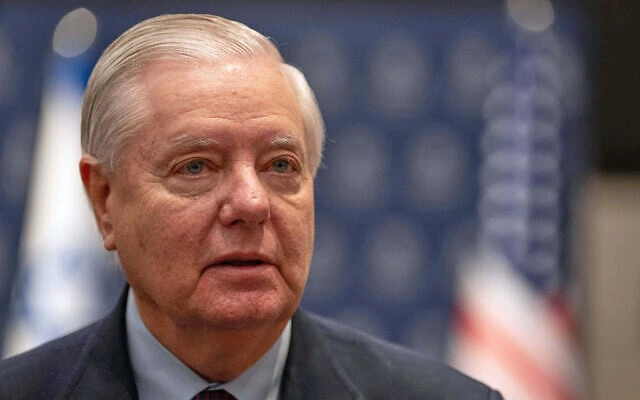
A senior U.S. Republican senator known for his strong support of Israel has publicly criticized the Israeli military for striking Iran’s oil infrastructure, warning that such attacks could undermine long-term strategic goals in the region. The remarks come amid escalating tensions between Israel and Iran following a series of airstrikes that have targeted military and energy facilities across Iran.
Lindsey Graham, a long-time ally of Israel and a leading voice in U.S. foreign policy debates, urged Israeli leaders to reconsider targeting Iran’s oil sector. In a public statement, Graham said Israel should be cautious when selecting its targets, emphasizing that Iran’s oil industry could play a crucial role in the country’s future if its current government collapses.
According to the senator, the goal of Western allies should be to weaken Iran’s ruling regime without destroying the economic foundations that ordinary Iranians will need to rebuild their country. Graham argued that crippling Iran’s oil economy could make it harder for a future government to stabilize the nation and improve living conditions for its people.
The comments follow reports that Israeli forces carried out strikes on multiple Iranian fuel depots and energy facilities during the ongoing conflict. The attacks reportedly caused large fires and heavy smoke in parts of Tehran, raising concerns about environmental damage and further escalation in the region.
Despite his criticism of the oil facility strikes, Graham reiterated his broader support for Israel’s military campaign against Iran. He stressed that Israel has the right to defend itself against Iranian threats, particularly missile and drone attacks that have targeted Israeli territory and regional allies.
However, the senator warned that destroying critical economic infrastructure could have unintended consequences. Analysts say damage to Iran’s oil sector could disrupt global energy markets, push oil prices higher, and complicate efforts to stabilize the region once the conflict ends.
The disagreement also highlights rare tensions between close allies. While the United States continues to support Israel’s security operations, some American officials have reportedly expressed concern that attacks on energy infrastructure could escalate the war and harm civilians who rely on those facilities.
As fighting intensifies across the Middle East, diplomatic pressure is mounting from several countries calling for restraint and de-escalation. With Iran threatening retaliation and global markets reacting nervously to the conflict, the debate over military strategy—particularly attacks on oil facilities—may shape the next phase of the crisis.
For now, Graham’s remarks signal that even Israel’s strongest supporters in Washington are urging a more calculated approach as the war with Iran continues to unfold.