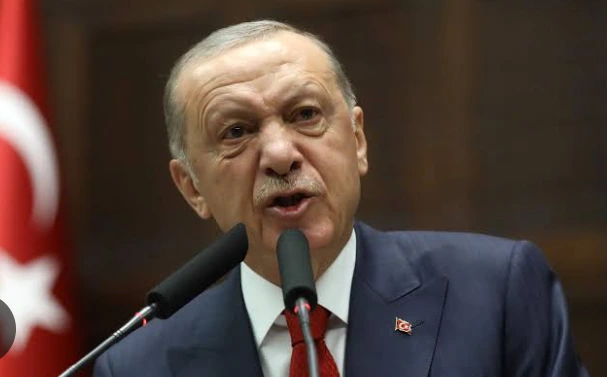
Tensions in the Middle East escalated further after Turkish President Recep Tayyip Erdoğan delivered a sharply worded statement criticizing Israeli Prime Minister Benjamin Netanyahu, calling him “Israel’s biggest disaster since the Holocaust.” The remarks have sparked immediate international attention and reactions across diplomatic and political circles.
Speaking during a public address, Erdoğan accused Netanyahu of pursuing policies that he believes have deepened instability in the region and worsened humanitarian conditions. The Turkish leader argued that Netanyahu’s leadership has pushed Israel into a dangerous phase of confrontation with several actors in the Middle East.
Erdoğan has been one of Netanyahu’s most vocal critics in recent months, particularly amid the escalating conflict involving Israel and regional rivals. According to Turkish officials, Ankara believes Israel’s current strategy risks widening the conflict and undermining prospects for peace.
The comparison to the The Holocaust, one of the darkest chapters in human history, immediately drew global reactions. Critics of Erdoğan’s statement say the comparison is highly controversial and inappropriate, while his supporters argue that the Turkish president was emphasizing the severity of the political crisis surrounding Israel’s current leadership.
Officials in Israel quickly condemned the statement. Supporters of Benjamin Netanyahu described Erdoğan’s comments as inflammatory and accused the Turkish government of escalating rhetoric at a time when tensions are already extremely high.
Relations between Turkey and Israel have long been complex, swinging between cooperation and sharp diplomatic disputes. Under Recep Tayyip Erdoğan, Ankara has frequently criticized Israeli policies toward Palestinians, while Israel has often rejected those criticisms as politically motivated.
Analysts say the latest remarks could further strain already fragile diplomatic ties between the two countries. With the region experiencing heightened military and political tensions, many observers fear that harsh rhetoric from key leaders could make efforts toward de-escalation even more difficult.
As reactions continue to pour in from world leaders and international organizations, the dispute highlights the growing divisions in global politics over the ongoing Middle East conflict and the leadership of Benjamin Netanyahu.