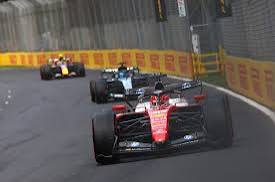
Several drivers across the grid have voiced concerns that recent regulatory changes in Formula One may be reducing the element of bravery that has long defined the sport. While the new rules were introduced to improve safety and maintain competitive balance, some competitors believe they have also softened the raw edge that once made racing at the highest level so daring.
Over the years, Formula One has continuously evolved with new technical and sporting regulations designed to protect drivers and modernize the sport. However, the latest set of updates — including stricter track limits enforcement, refined aerodynamic guidelines, and adjustments to race procedures — has sparked debate within the paddock. Some drivers argue that these changes reduce the risk and unpredictability that historically demanded immense courage from those behind the wheel.
One prominent voice in the discussion has been George Russell, who suggested that while safety improvements are essential, the sport must be careful not to dilute the qualities that make Formula One unique. Russell emphasized that bravery has always been a defining characteristic of drivers who push cars to their limits at speeds exceeding 300 km/h.
Other drivers, including Max Verstappen, have also hinted that the increasingly controlled environment of modern Formula One leaves less room for instinctive racing. Verstappen noted that the sport has become more structured, with teams and drivers required to follow tighter guidelines that sometimes limit on-track creativity.
These comments come ahead of the upcoming Chinese Grand Prix, where teams will once again test the limits of their machinery under the revised rules. The race at the Shanghai International Circuit will be an important opportunity to see how drivers adapt their strategies and racing styles.
Despite the criticism, many within the sport defend the regulatory changes. Officials argue that safety must remain the top priority, particularly given the extreme speeds and forces drivers experience. Over the past decade, Formula One has implemented numerous innovations — such as the halo cockpit protection system — that have saved lives and prevented serious injuries.
Fans and analysts remain divided. Some believe that reducing danger inevitably changes the nature of the sport, while others argue that technological advancement and safety progress should never be sacrificed for spectacle.
As Formula One continues to balance tradition with innovation, the debate over bravery, risk, and safety is unlikely to disappear anytime soon. What remains certain is that the drivers of today still face extraordinary physical and mental challenges every time they line up on the grid.