The escalation marks a dangerous new phase in the growing regional war involving Israel, Iran, and U.S. forces.
What Happened
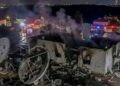
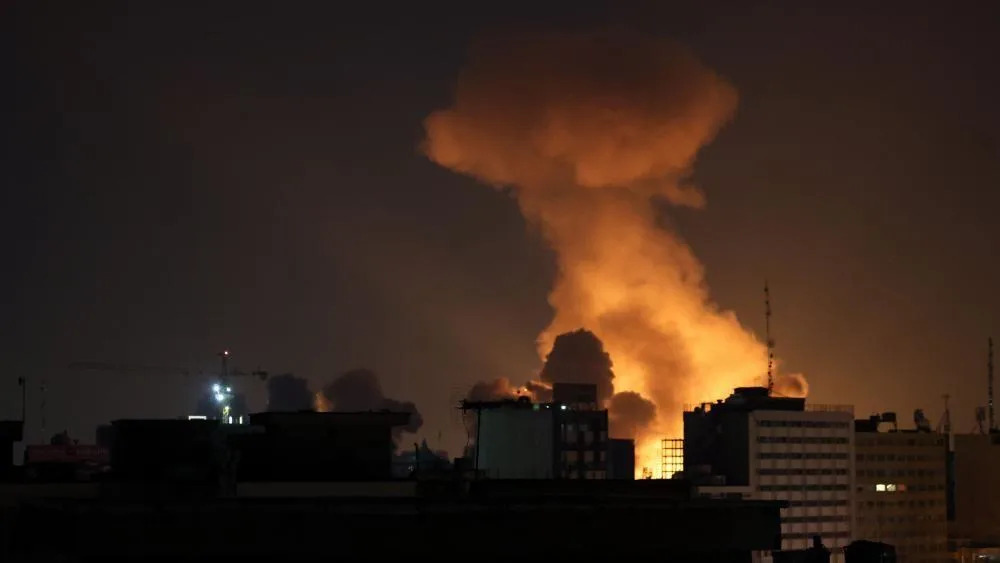
Israeli warplanes carried out large-scale strikes on Tehran, targeting military infrastructure and missile facilities.
At the same time, Beirut’s southern suburbs—areas linked to the Iran-backed group Hezbollah—were hit after Israel issued evacuation warnings to civilians.
U.S. Defense officials said the level of “firepower” against Iran will increase significantly, signaling that the campaign could intensify further in the coming days.
Why the War Is Escalating
The conflict began after a joint U.S.–Israeli strike campaign against Iran in late February 2026 targeting Iranian military and nuclear-related sites.
Key developments fueling the escalation include:
The killing of Ali Khamenei in early strikes.
Missile and drone retaliation by Iran against Israel and U.S. bases across the Middle East.
Hezbollah entering the conflict from Lebanon, leading Israel to expand attacks to Beirut.
Casualties and Humanitarian Crisis
More than 1,200 people have reportedly been killed in Iran since the bombing campaign began.
Over 120 people have died in Lebanon, with tens of thousands displaced.
The United Nations has described the situation as a “major humanitarian emergency.”
Global Impact
Oil markets and shipping routes—especially the Strait of Hormuz—have been heavily disrupted.
Multiple countries across the Middle East have reported missile or drone attacks as the conflict spreads.
✅ Current situation: Fighting is ongoing, with Israel stating it has entered a “new phase” of operations, and U.S. officials warning that strikes against Iran could intensify further.
If you want, I can also explain why this war started and which countries might join the conflict next, because analysts say it could turn into a much larger Middle East war.