
Tensions in the Middle East have intensified dramatically after Israel launched a powerful wave of airstrikes targeting Iranian military command centers, dealing what officials describe as a major blow to Iran’s operational capabilities.
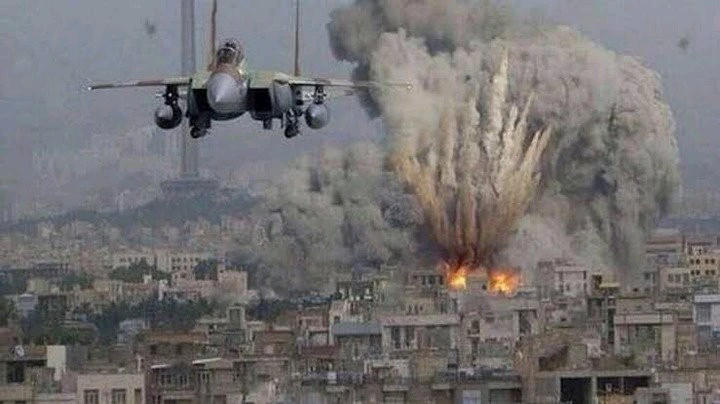
According to the Israel Defense Forces (IDF), the Israeli Air Force carried out coordinated strikes on several strategic military facilities across Iran, including locations in Tehran, Tabriz, and Maragheh. The targets reportedly included command posts used by Iranian military units responsible for intelligence operations, ballistic missile coordination, and internal security.
Israeli military sources said the facilities were struck while Iranian personnel were inside, with reports indicating that dozens of troops were present in the targeted buildings at the time of the attack. The strikes destroyed multiple command centers, including a special units headquarters in Tabriz and an “Imam Hassan” security unit compound in Tehran believed to play a key role in military coordination.
The IDF stated that the operation was based on precise intelligence and was designed to disrupt Iran’s military command structure and its ability to launch missile attacks against Israel and its allies. Israeli officials claim the targeted units were directly involved in planning attacks and coordinating regional operations.
The escalation comes amid an already volatile conflict between the two nations. In recent days, both sides have exchanged strikes, with Iran launching missile barrages toward Israeli territory while Israel continues to target Iranian military infrastructure deep inside the country.
Military analysts say the destruction of command centers could significantly weaken Iran’s coordination capabilities in the short term. However, experts also warn that such strikes may trigger further retaliation and deepen the ongoing regional conflict.
Iranian authorities have condemned the attacks and vowed that Israel will face consequences, signaling that the confrontation between the two long-time rivals is far from over.
As the situation continues to evolve, the international community is watching closely, with growing fears that the conflict could expand into a wider regional war involving multiple countries across the Middle East.