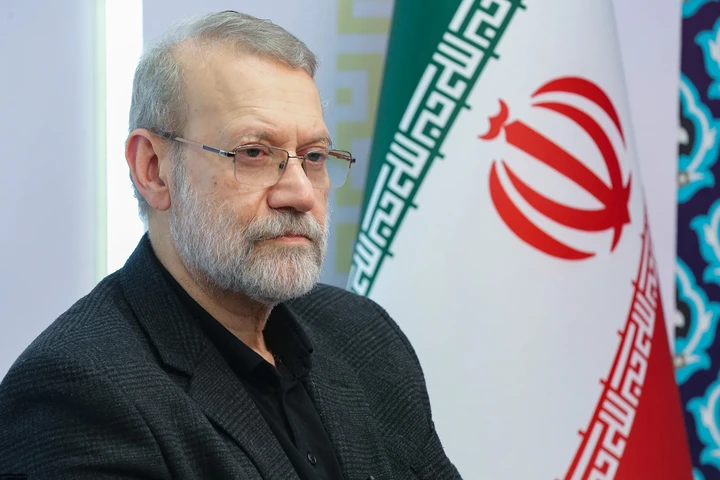
Tensions in the Middle East have escalated dramatically following reports that Iran’s top security official, Ali Larijani, has been killed in a targeted airstrike.
According to Israeli officials, the strike—carried out overnight—successfully eliminated Larijani, who served as the Secretary of Iran’s Supreme National Security Council and was widely regarded as one of the most powerful figures in the country’s leadership structure.
Larijani, a veteran political figure, had long been central to Iran’s decision-making apparatus. Over the years, he held several key roles, including parliamentary speaker and nuclear negotiator, before taking on a leading role in national security during the ongoing conflict. His influence grew even further following the reported death of Supreme Leader Ali Khamenei earlier in the conflict, positioning him as a critical figure in Iran’s wartime leadership.
The reported killing is part of a broader wave of Israeli strikes targeting Iran’s military and political leadership. Israeli authorities also claimed that senior Basij commander Gholamreza Soleimani was killed in a separate operation, signaling an intensified campaign aimed at weakening Iran’s internal security structure.
Iran has yet to officially confirm Larijani’s death, but officials have previously vowed severe retaliation for attacks on its leadership. The latest developments are expected to further inflame an already volatile situation, raising fears of a wider regional war and deeper instability across the Middle East.
Global reactions have begun to emerge, with international leaders calling for restraint amid concerns over النفط supply disruptions and the potential for the conflict to spread beyond the region.
As the story continues to unfold, the world watches closely—awaiting confirmation from Tehran and bracing for what could be the next phase in an increasingly dangerous confrontation.