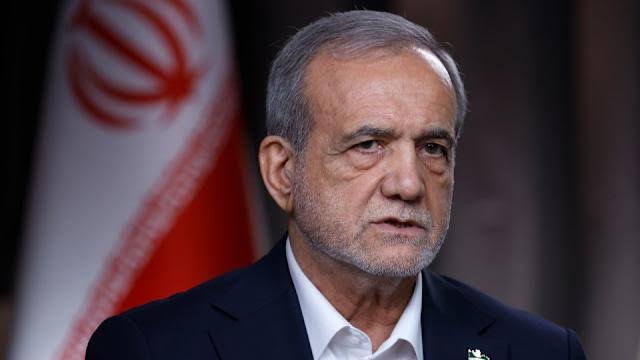
In a development that could mark the first potential step toward easing tensions in the rapidly escalating Middle East conflict, Iranian President Masoud Pezeshkian has issued a message signaling that Tehran may be willing to scale back its military actions against neighboring countries. However, the announcement comes with a significant condition that could keep the region on edge.
A Rare Apology to Neighbors
In a televised statement, President Pezeshkian apologized to several Gulf nations that had been caught in the crossfire of recent missile and drone strikes. The Iranian leader said Tehran had “no intention of attacking other countries” and indicated that Iran could halt strikes on nearby states.
The comments represent one of the clearest diplomatic signals so far that Iran may be open to de-escalation after days of intense fighting following joint strikes by the United States and Israel on Iranian targets.
Regional leaders and analysts immediately interpreted the apology as a possible attempt to calm tensions that have pushed the Middle East to the brink of a wider war.
The Major Caveat
Despite the conciliatory tone, Tehran made it clear that the halt in attacks would only apply if neighboring countries do not allow their territory to be used as launch points for attacks against Iran.
Iran warned that any strike originating from bases in Gulf states—many of which host American military installations—would trigger a “decisive response.” This caveat highlights how fragile any potential de-escalation could be.
Mixed Signals on the Battlefield
Complicating the situation further, reports emerged that Iranian forces launched additional drones and missiles shortly after the statement was made, raising questions about whether Iran’s military units are fully aligned with the political leadership.
Analysts say the apparent contradiction could stem from internal divisions within Iran’s military structure or the chaotic nature of the ongoing conflict.
Leadership Uncertainty in Tehran
The message also comes amid significant uncertainty inside Iran’s leadership. The country is currently navigating a transitional period following recent high-profile casualties among top officials during the conflict.
A temporary leadership council, which includes President Pezeshkian and other senior figures, is now responsible for steering the country through the crisis while Iran prepares to select new leadership.
Regional and Global Implications
While the apology and conditional pledge to halt attacks offer a glimmer of hope for diplomacy, the situation remains extremely volatile. Military activity continues across several fronts, and global leaders are urging restraint as fears grow that the conflict could expand further across the Middle East.
For now, Iran’s message appears to be a carefully calibrated signal—an openness to de-escalation, but only under conditions that protect its strategic interests and security concerns.
Whether that message leads to genuine diplomatic progress or merely buys time in an intensifying confrontation remains uncertain.