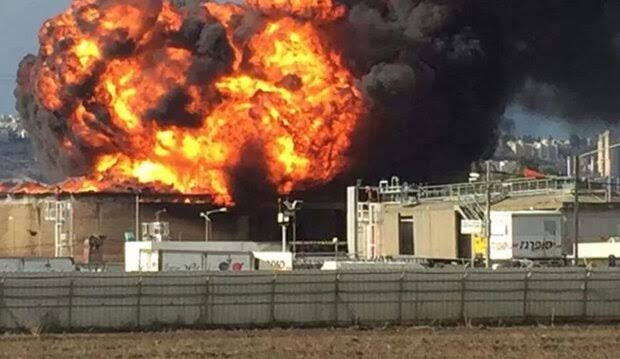
Tensions between Iran and Israel escalated dramatically overnight after Iran’s Islamic Revolutionary Guard Corps (IRGC) announced it had targeted the oil refinery in the northern Israeli city of Haifa. The strike came in retaliation for earlier Israeli attacks on oil facilities in Tehran, marking a dangerous new phase in the ongoing conflict between the two regional rivals.
According to Iranian state media, the IRGC said the attack on the Haifa refinery was a direct response to Israeli airstrikes that hit oil depots and refining infrastructure near Tehran. The Israeli strikes reportedly caused massive explosions and fires in the Iranian capital, with flames and thick smoke lighting up the night sky.
Air raid sirens reportedly sounded across northern Israel shortly before the Iranian retaliation, as authorities warned residents of incoming missile threats. However, initial reports suggested there were no immediate confirmed casualties or major structural damage following the strike. Israeli officials have yet to release a detailed assessment of the attack’s impact on the refinery complex.
Military analysts say the exchange represents a significant escalation because both sides are now targeting energy infrastructure—facilities that are critical to each country’s economy and military logistics. Previously, most strikes in the conflict focused on military bases, missile sites, and air defense systems. The move to hit oil facilities raises fears of a broader “energy war” that could disrupt fuel supplies across the region.
The Israeli military had earlier confirmed launching strikes against oil-related infrastructure tied to Iran’s military operations in the Tehran region. Israeli officials argued the facilities were connected to the country’s defense industry and the operations of the IRGC, which plays a central role in Iran’s military and economic sectors.
The Haifa refinery is considered one of Israel’s most important energy hubs, supplying a large portion of the country’s fuel and supporting industrial operations across the region. Because of its strategic importance, the facility has long been viewed as a potential target in any major confrontation between Israel and Iran.
The latest tit-for-tat attacks have raised alarm among global leaders and energy markets, with analysts warning that continued strikes on oil infrastructure could trigger wider instability across the Middle East and threaten international oil supply routes.
As both sides continue to exchange threats and military actions, the risk of a broader regional conflict appears to be growing, with many fearing that the targeting of critical infrastructure could push the crisis into an even more dangerous phase.